
Before Memmo my notes were scattered across PDFs. Now a workspace pulls everything into one place — I see exactly what's still left to study.
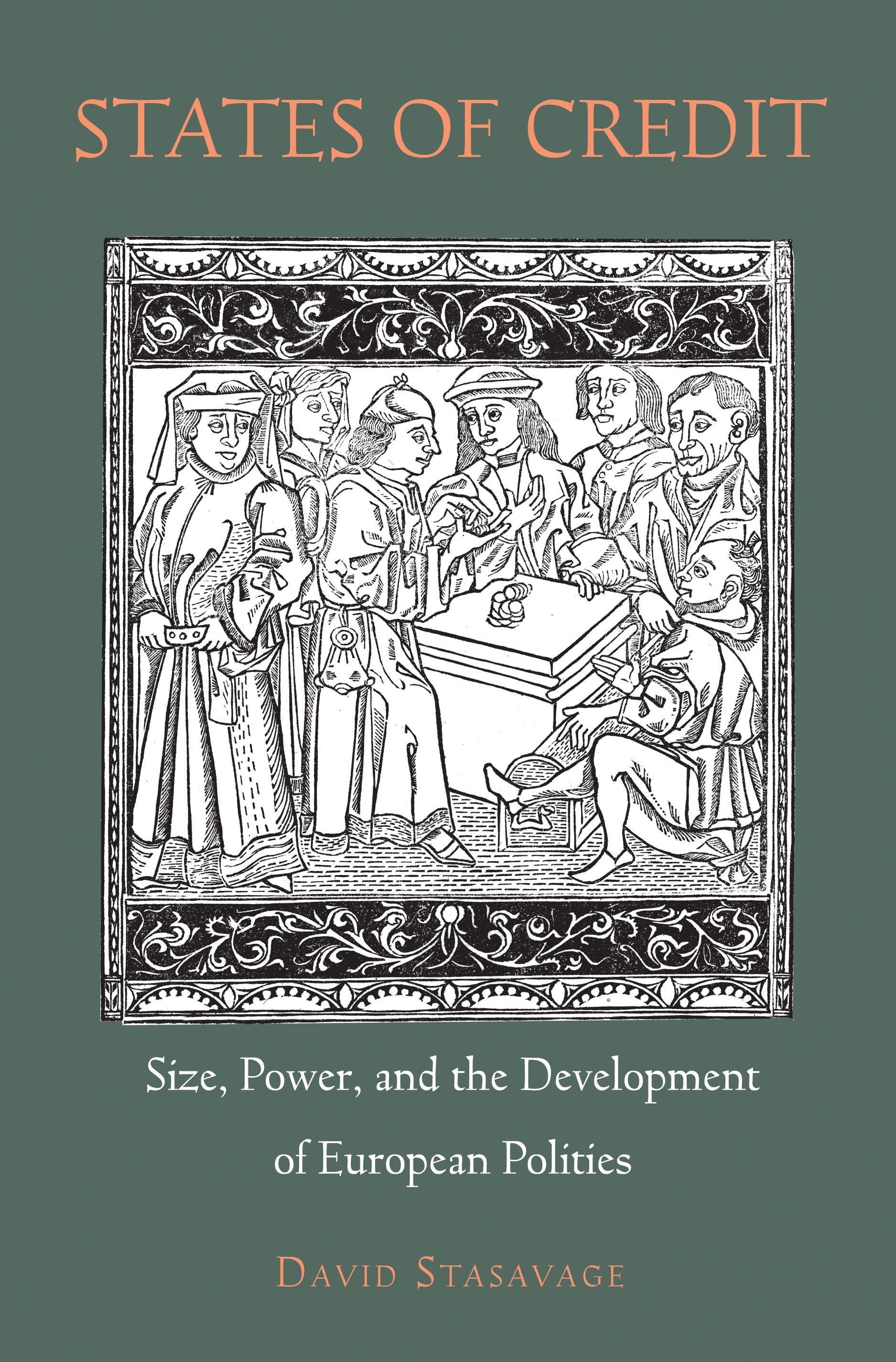
States of Credit provides the first comprehensive look at the joint development of representative assemblies and public borrowing in Europe during the medieval and early modern eras. In this pioneering book, David Stasavage argues that unique advances in political representation allowed certain European states to gain early and advantageous access to credit, but the emergence of an active form of political representation itself depended on two underlying factors: compact geography and a strong mercantile presence.
Stasavage shows that active representative assemblies were more likely to be sustained in geographically small polities. These assemblies, dominated by mercantile groups that lent to governments, were in turn more likely to preserve access to credit. Given these conditions, smaller European city-states, such as Genoa and Cologne, had an advantage over larger territorial states, including France and Castile, because mercantile elites structured political institutions in order to effectively monitor public credit. While creditor oversight of public funds became an asset for city-states in need of finance, Stasavage suggests that the long-run implications were more ambiguous. City-states with the best access to credit often had the most closed and oligarchic systems of representation, hindering their ability to accept new economic innovations. This eventually transformed certain city-states from economic dynamos into rentier republics.
Exploring the links between representation and debt in medieval and early modern Europe, States of Credit contributes to broad debates about state formation and Europe's economic rise.
Before Memmo my notes were scattered across PDFs. Now a workspace pulls everything into one place — I see exactly what's still left to study.
Memmo's summaries are gold before exams. I don't have to re-read 800 pages two weeks before — just the important parts.
The AI chat has saved me the night before an exam more than once. I just keep asking until I get it — no waiting on a study group to reply.
The quizzes hit exactly what I need to know. Memmo tracks what I get stuck on — so I only practice what's worth it.
Flashcards with spaced repetition are magic. Memmo knows when I'm about to forget something and brings it back.
The AI podcasts are my favorite. I listen on my way to school and get a recap without sitting at a computer.

Handbok i kvalitativa metoder
281 kr

Hållbar utveckling: en introduktion för ingenjörer och andra problemlösare
334 kr

Brymans Samhällsvetenskapliga metoder
390 kr

Projektledning
491 kr

Den orättvisa hälsan: om socioekonomiska skillnader i hälsa och livslängd
326 kr

Vetenskapsteori för nybörjare
196 kr

Organizational Leadership
429 kr

På väg mot läraryrket
172 kr

Det sociala livet i skolan: Socialpsykologiska perspektiv
253 kr

Betygsättningens didaktik
151 kr

Personality
402 kr

Studying Leadership
404 kr

Managing Innovation
477 kr

Introduktion till samhällsvetenskaplig metod
347 kr

The Psychology of Sex and Gender
698 kr

Evidens och kunskap för socialt arbete
207 kr

Introduction to Leadership
605 kr