
Before Memmo my notes were scattered across PDFs. Now a workspace pulls everything into one place — I see exactly what's still left to study.
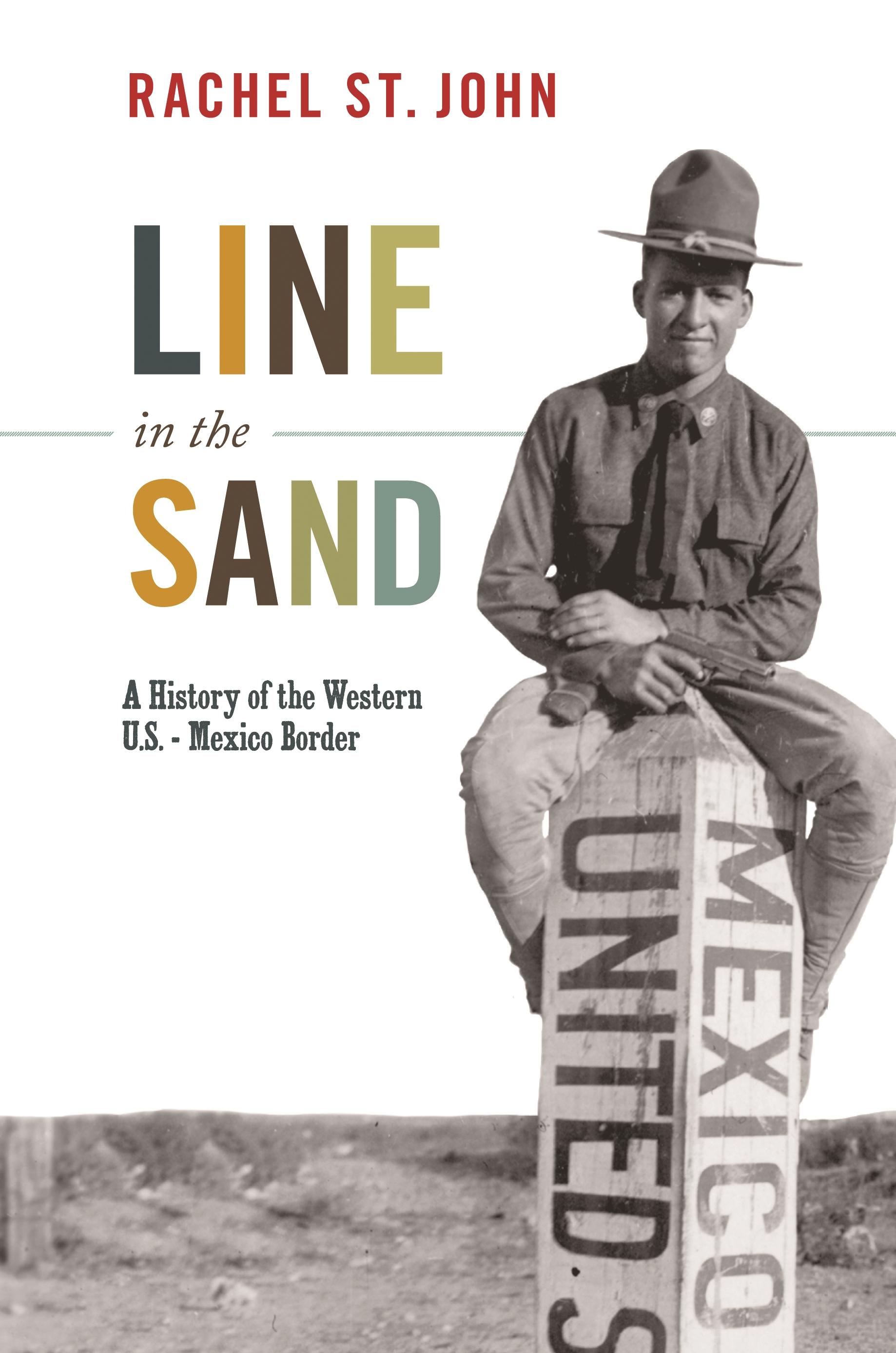
The first transnational history of the U.S.-Mexico border
Line in the Sand details the dramatic transformation of the western U.S.-Mexico border from its creation at the end of the Mexican-American War in 1848 to the emergence of the modern boundary line in the first decades of the twentieth century. In this sweeping narrative, Rachel St. John explores how this boundary changed from a mere line on a map to a clearly marked and heavily regulated divide between the United States and Mexico. Focusing on the desert border to the west of the Rio Grande, this book explains the origins of the modern border and places the line at the center of a transnational history of expanding capitalism and state power in the late nineteenth and early twentieth centuries.
Moving across local, regional, and national scales, St. John shows how government officials, Native American raiders, ranchers, railroad builders, miners, investors, immigrants, and smugglers contributed to the rise of state power on the border and developed strategies to navigate the increasingly regulated landscape. Over the border's history, the U.S. and Mexican states gradually developed an expanding array of official laws, ad hoc arrangements, government agents, and physical barriers that did not close the line, but made it a flexible barrier that restricted the movement of some people, goods, and animals without impeding others. By the 1930s, their efforts had created the foundations of the modern border control apparatus.
Drawing on extensive research in U.S. and Mexican archives, Line in the Sand weaves together a transnational history of how an undistinguished strip of land became the significant and symbolic space of state power and national definition that we know today.
Before Memmo my notes were scattered across PDFs. Now a workspace pulls everything into one place — I see exactly what's still left to study.
Memmo's summaries are gold before exams. I don't have to re-read 800 pages two weeks before — just the important parts.
The AI chat has saved me the night before an exam more than once. I just keep asking until I get it — no waiting on a study group to reply.
The quizzes hit exactly what I need to know. Memmo tracks what I get stuck on — so I only practice what's worth it.
Flashcards with spaced repetition are magic. Memmo knows when I'm about to forget something and brings it back.
The AI podcasts are my favorite. I listen on my way to school and get a recap without sitting at a computer.

Handbok i kvalitativa metoder
281 kr

Hållbar utveckling: en introduktion för ingenjörer och andra problemlösare
334 kr

Brymans Samhällsvetenskapliga metoder
390 kr

Projektledning
491 kr

Den orättvisa hälsan: om socioekonomiska skillnader i hälsa och livslängd
326 kr

Vetenskapsteori för nybörjare
196 kr

Organizational Leadership
429 kr

På väg mot läraryrket
172 kr

Det sociala livet i skolan: Socialpsykologiska perspektiv
253 kr

Betygsättningens didaktik
151 kr

Personality
402 kr

Studying Leadership
404 kr

Managing Innovation
477 kr

Introduktion till samhällsvetenskaplig metod
347 kr

The Psychology of Sex and Gender
698 kr

Evidens och kunskap för socialt arbete
207 kr

Introduction to Leadership
605 kr