
Before Memmo my notes were scattered across PDFs. Now a workspace pulls everything into one place — I see exactly what's still left to study.
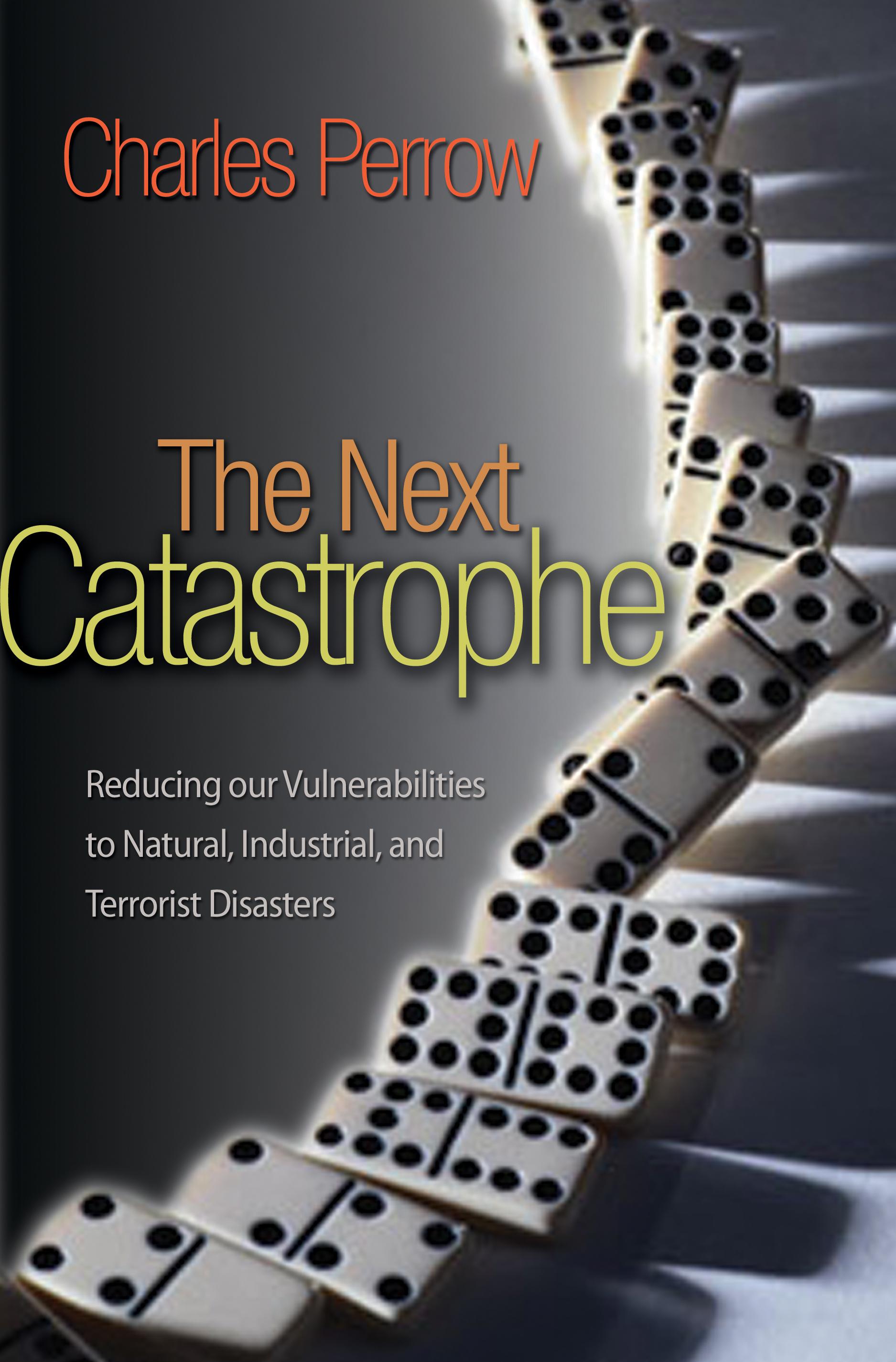
Charles Perrow is famous worldwide for his ideas about normal accidents, the notion that multiple and unexpected failures--catastrophes waiting to happen--are built into our society's complex systems. In The Next Catastrophe, he offers crucial insights into how to make us safer, proposing a bold new way of thinking about disaster preparedness.
Perrow argues that rather than laying exclusive emphasis on protecting targets, we should reduce their size to minimize damage and diminish their attractiveness to terrorists. He focuses on three causes of disaster--natural, organizational, and deliberate--and shows that our best hope lies in the deconcentration of high-risk populations, corporate power, and critical infrastructures such as electric energy, computer systems, and the chemical and food industries. Perrow reveals how the threat of catastrophe is on the rise, whether from terrorism, natural disasters, or industrial accidents. Along the way, he gives us the first comprehensive history of FEMA and the Department of Homeland Security and examines why these agencies are so ill equipped to protect us.
The Next Catastrophe is a penetrating reassessment of the very real dangers we face today and what we must do to confront them. Written in a highly accessible style by a renowned systems-behavior expert, this book is essential reading for the twenty-first century. The events of September 11 and Hurricane Katrina--and the devastating human toll they wrought--were only the beginning. When the next big disaster comes, will we be ready? In a new preface to the paperback edition, Perrow examines the recent (and ongoing) catastrophes of the financial crisis, the BP oil spill, and global warming.
Before Memmo my notes were scattered across PDFs. Now a workspace pulls everything into one place — I see exactly what's still left to study.
Memmo's summaries are gold before exams. I don't have to re-read 800 pages two weeks before — just the important parts.
The AI chat has saved me the night before an exam more than once. I just keep asking until I get it — no waiting on a study group to reply.
The quizzes hit exactly what I need to know. Memmo tracks what I get stuck on — so I only practice what's worth it.
Flashcards with spaced repetition are magic. Memmo knows when I'm about to forget something and brings it back.
The AI podcasts are my favorite. I listen on my way to school and get a recap without sitting at a computer.

Handbok i kvalitativa metoder
281 kr

Hållbar utveckling: en introduktion för ingenjörer och andra problemlösare
334 kr

Brymans Samhällsvetenskapliga metoder
390 kr

Projektledning
491 kr

Den orättvisa hälsan: om socioekonomiska skillnader i hälsa och livslängd
326 kr

Vetenskapsteori för nybörjare
196 kr

Organizational Leadership
429 kr

På väg mot läraryrket
172 kr

Det sociala livet i skolan: Socialpsykologiska perspektiv
253 kr

Betygsättningens didaktik
151 kr

Personality
402 kr

Studying Leadership
404 kr

Managing Innovation
477 kr

Introduktion till samhällsvetenskaplig metod
347 kr

The Psychology of Sex and Gender
698 kr

Evidens och kunskap för socialt arbete
207 kr

Introduction to Leadership
605 kr