
Before Memmo my notes were scattered across PDFs. Now a workspace pulls everything into one place — I see exactly what's still left to study.
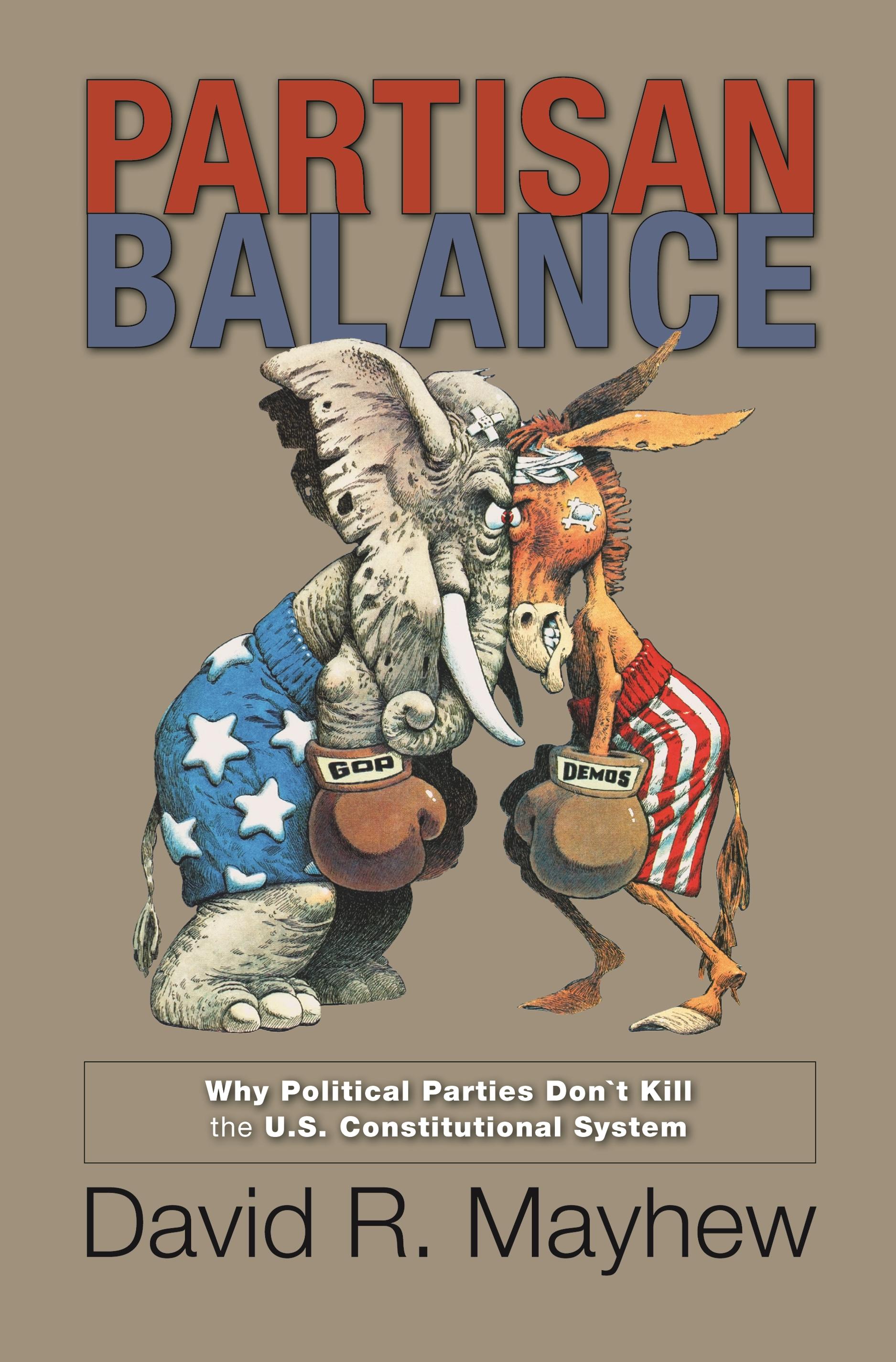
How partisan balance between the U.S. presidency and Congress is essential to successful government
With three independent branches, a legislature divided into two houses, and many diverse constituencies, it is remarkable that the federal government does not collapse in permanent deadlock. Yet, this system of government has functioned for well over two centuries, even through such heated partisan conflicts as the national health-care showdown and Supreme Court nominations. In Partisan Balance, noted political scholar David Mayhew examines the unique electoral foundations of the presidency, Senate, and House of Representatives in order to provide a fresh understanding for the government's success and longstanding vitality.
Focusing on the period after World War II, and the fate of legislative proposals offered by presidents from Harry Truman to George W. Bush, Mayhew reveals that the presidency, Senate, and House rest on surprisingly similar electoral bases, with little difference in their partisan textures as indexed by the presidential popular vote cast in the various constituencies. Both congressional chambers have tilted a bit Republican, and while White House legislative initiatives have fared accordingly, Mayhew shows that presidents have done relatively well in getting their major proposals enacted. Over the long haul, the Senate has not proven much more of a stumbling block than the House. Arguing that the system has developed a self-correcting impulse that leads each branch to pull back when it deviates too much from other branches, Mayhew contends that majoritarianism largely characterizes the American system. The wishes of the majority tend to nudge institutions back toward the median voter, as in the instances of legislative districting, House procedural reforms, and term limits for presidents and legislators.
Before Memmo my notes were scattered across PDFs. Now a workspace pulls everything into one place — I see exactly what's still left to study.
Memmo's summaries are gold before exams. I don't have to re-read 800 pages two weeks before — just the important parts.
The AI chat has saved me the night before an exam more than once. I just keep asking until I get it — no waiting on a study group to reply.
The quizzes hit exactly what I need to know. Memmo tracks what I get stuck on — so I only practice what's worth it.
Flashcards with spaced repetition are magic. Memmo knows when I'm about to forget something and brings it back.
The AI podcasts are my favorite. I listen on my way to school and get a recap without sitting at a computer.

Handbok i kvalitativa metoder
281 kr

Hållbar utveckling: en introduktion för ingenjörer och andra problemlösare
334 kr

Brymans Samhällsvetenskapliga metoder
390 kr

Projektledning
491 kr

Den orättvisa hälsan: om socioekonomiska skillnader i hälsa och livslängd
326 kr

Vetenskapsteori för nybörjare
196 kr

Organizational Leadership
429 kr

På väg mot läraryrket
172 kr

Det sociala livet i skolan: Socialpsykologiska perspektiv
253 kr

Betygsättningens didaktik
151 kr

Personality
402 kr

Studying Leadership
404 kr

Managing Innovation
477 kr

Introduktion till samhällsvetenskaplig metod
347 kr

The Psychology of Sex and Gender
698 kr

Evidens och kunskap för socialt arbete
207 kr

Introduction to Leadership
605 kr