
Before Memmo my notes were scattered across PDFs. Now a workspace pulls everything into one place — I see exactly what's still left to study.
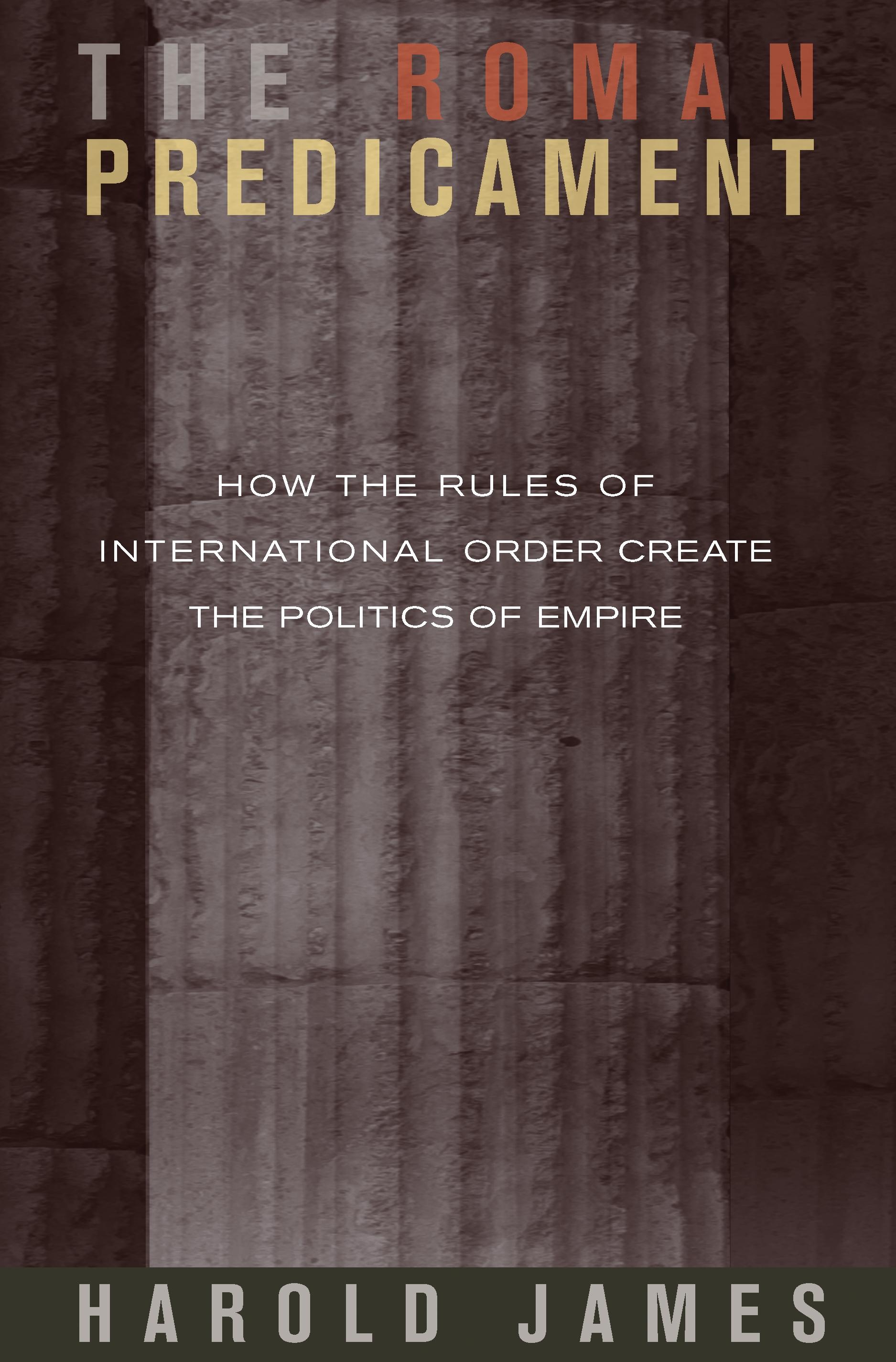
Modern America owes the Roman Empire for more than gladiator movies and the architecture of the nation's Capitol. It can also thank the ancient republic for some helpful lessons in globalization. So argues economic historian Harold James in this masterful work of intellectual history.
The book addresses what James terms "the Roman dilemma"--the paradoxical notion that while global society depends on a system of rules for building peace and prosperity, this system inevitably leads to domestic clashes, international rivalry, and even wars. As it did in ancient Rome, James argues, a rule-based world order eventually subverts and destroys itself, creating the need for imperial action. The result is a continuous fluctuation between pacification and the breakdown of domestic order.
James summons this argument, first put forth more than two centuries ago in Adam Smith's Wealth of Nations and Edward Gibbon's Decline and Fall of the Roman Empire, to put current events into perspective. The world now finds itself staggering between a set of internationally negotiated trading rules and exchange--rate regimes, and the enforcement practiced by a sometimes-imperial America. These two forces--liberal international order and empire--will one day feed on each other to create a shakeup in global relations, James predicts. To reinforce his point, he invokes the familiar bon mot once applied to the British Empire: "When Britain could not rule the waves, it waived the rules."
?
Despite the pessimistic prognostications of Smith and Gibbon, who saw no way out of this dilemma, James ends his book on a less depressing note. He includes a chapter on one possible way in which the world could resolve the Roman Predicament--by opting for a global system based on values as opposed to rules.
Before Memmo my notes were scattered across PDFs. Now a workspace pulls everything into one place — I see exactly what's still left to study.
Memmo's summaries are gold before exams. I don't have to re-read 800 pages two weeks before — just the important parts.
The AI chat has saved me the night before an exam more than once. I just keep asking until I get it — no waiting on a study group to reply.
The quizzes hit exactly what I need to know. Memmo tracks what I get stuck on — so I only practice what's worth it.
Flashcards with spaced repetition are magic. Memmo knows when I'm about to forget something and brings it back.
The AI podcasts are my favorite. I listen on my way to school and get a recap without sitting at a computer.

Handbok i kvalitativa metoder
281 kr

Hållbar utveckling: en introduktion för ingenjörer och andra problemlösare
334 kr

Brymans Samhällsvetenskapliga metoder
390 kr

Projektledning
491 kr

Den orättvisa hälsan: om socioekonomiska skillnader i hälsa och livslängd
326 kr

Organizational Leadership
429 kr

Vetenskapsteori för nybörjare
196 kr

På väg mot läraryrket
172 kr

Det sociala livet i skolan: Socialpsykologiska perspektiv
253 kr

Betygsättningens didaktik
151 kr

Personality
402 kr

Studying Leadership
404 kr

Managing Innovation
477 kr

Introduktion till samhällsvetenskaplig metod
347 kr

The Psychology of Sex and Gender
698 kr

Evidens och kunskap för socialt arbete
207 kr

Introduction to Leadership
605 kr