
Before Memmo my notes were scattered across PDFs. Now a workspace pulls everything into one place — I see exactly what's still left to study.
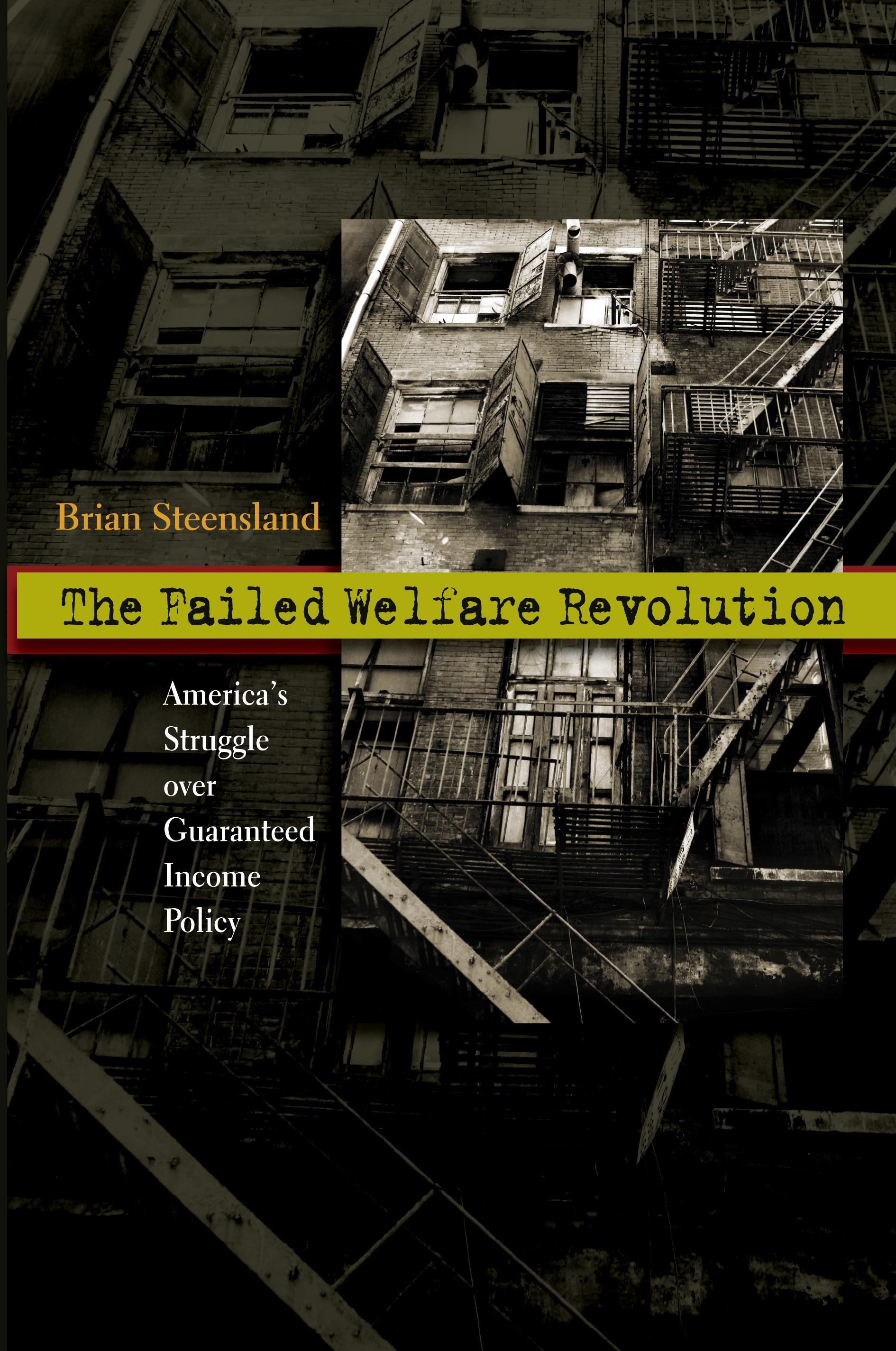
Today the United States has one of the highest poverty rates among the world's rich industrial democracies. The Failed Welfare Revolution shows us that things might have turned out differently. During the 1960s and 1970s, policymakers in three presidential administrations tried to replace the nation's existing welfare system with a revolutionary program to guarantee Americans basic economic security. Surprisingly from today's vantage point, guaranteed income plans received broad bipartisan support in the 1960s. One proposal, President Nixon's Family Assistance Plan, nearly passed into law in the 1970s, and President Carter advanced a similar bill a few years later. The failure of these proposals marked the federal government's last direct effort to alleviate poverty among the least advantaged and, ironically, sowed the seeds of conservative welfare reform strategies under President Reagan and beyond.
This episode has largely vanished from America's collective memory. Here, Brian Steensland tells the whole story for the first time--from why such an unlikely policy idea first developed to the factors that sealed its fate. His account, based on extensive original research in presidential archives, draws on mainstream social science perspectives that emphasize the influence of powerful stakeholder groups and policymaking institutions. But Steensland also shows that some of the most potent obstacles to guaranteed income plans were cultural. Most centrally, by challenging Americans' longstanding distinction between the "deserving" and "undeserving" poor, the plans threatened the nation's cultural, political, and economic status quo.
Before Memmo my notes were scattered across PDFs. Now a workspace pulls everything into one place — I see exactly what's still left to study.
Memmo's summaries are gold before exams. I don't have to re-read 800 pages two weeks before — just the important parts.
The AI chat has saved me the night before an exam more than once. I just keep asking until I get it — no waiting on a study group to reply.
The quizzes hit exactly what I need to know. Memmo tracks what I get stuck on — so I only practice what's worth it.
Flashcards with spaced repetition are magic. Memmo knows when I'm about to forget something and brings it back.
The AI podcasts are my favorite. I listen on my way to school and get a recap without sitting at a computer.

Handbok i kvalitativa metoder
281 kr

Hållbar utveckling: en introduktion för ingenjörer och andra problemlösare
334 kr

Brymans Samhällsvetenskapliga metoder
390 kr

Projektledning
491 kr

Den orättvisa hälsan: om socioekonomiska skillnader i hälsa och livslängd
326 kr

Organizational Leadership
429 kr

Vetenskapsteori för nybörjare
196 kr

På väg mot läraryrket
172 kr

Det sociala livet i skolan: Socialpsykologiska perspektiv
253 kr

Betygsättningens didaktik
151 kr

Personality
402 kr

Studying Leadership
404 kr

Managing Innovation
477 kr

Introduktion till samhällsvetenskaplig metod
347 kr

The Psychology of Sex and Gender
698 kr

Evidens och kunskap för socialt arbete
207 kr

Introduction to Leadership
605 kr