
Before Memmo my notes were scattered across PDFs. Now a workspace pulls everything into one place — I see exactly what's still left to study.
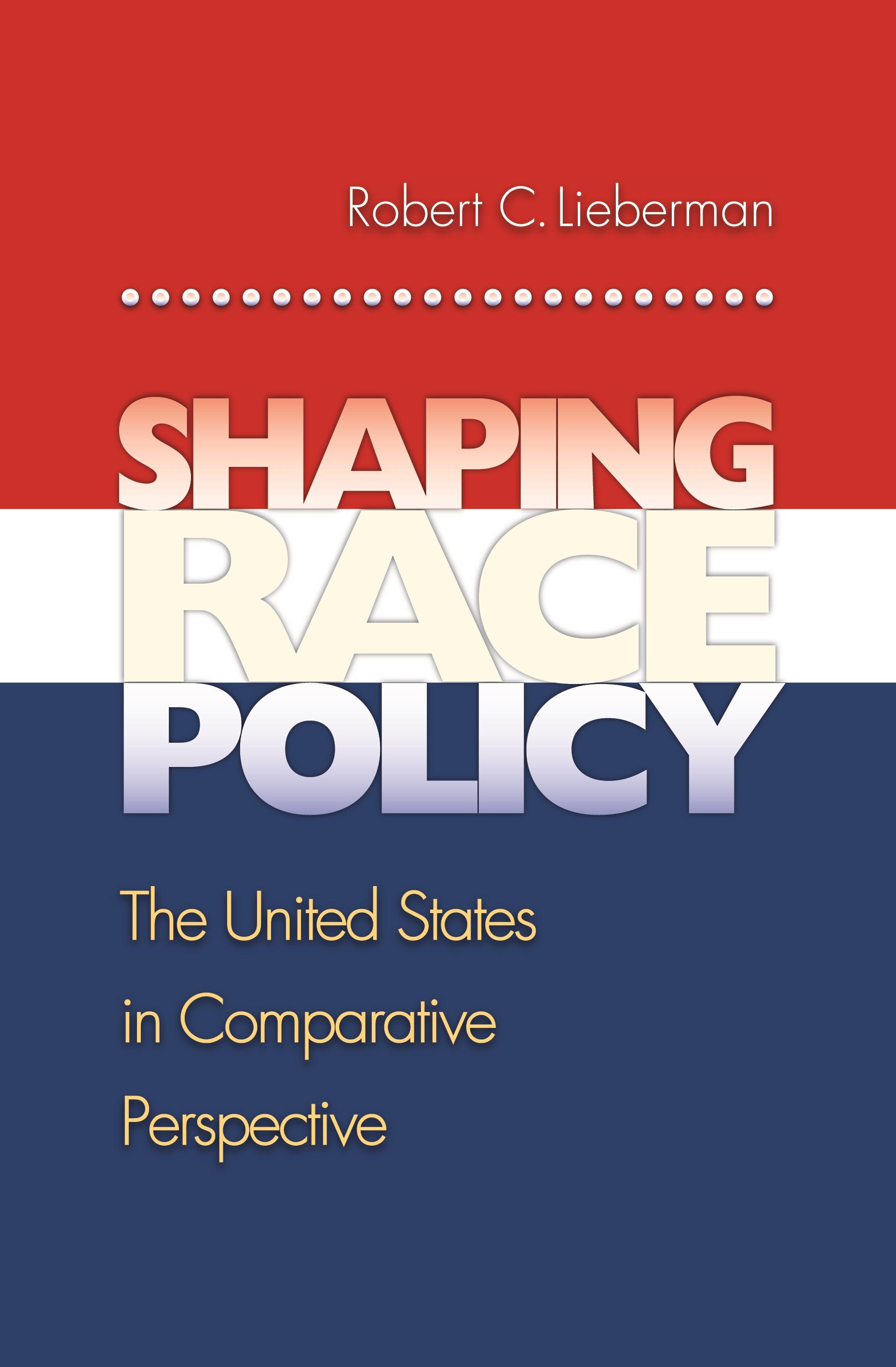
Shaping Race Policy investigates one of the most serious policy challenges facing the United States today: the stubborn persistence of racial inequality in the post-civil rights era. Unlike other books on the topic, it is comparative, examining American developments alongside parallel histories of race policy in Great Britain and France.
Focusing on on two key policy areas, welfare and employment, the book asks why America has had such uneven success at incorporating African Americans and other minorities into the full benefits of citizenship. Robert Lieberman explores the historical roots of racial incorporation in these policy areas over the course of the twentieth century and explains both the relative success of antidiscrimination policy and the failure of the American welfare state to address racial inequality. He chronicles the rise and resilience of affirmative action, including commentary on the recent University of Michigan affirmative action cases decided by the Supreme Court. He also shows how nominally color-blind policies can have racially biased effects, and challenges the common wisdom that color-blind policies are morally and politically superior and that race-conscious policies are merely second best.
Shaping Race Policy has two innovative features that distinguish it from other works in the area. First, it is comparative, examining American developments alongside parallel histories of race policy in Great Britain and France. Second, its argument merges ideas and institutions, which are usually considered separate and competing factors, into a comprehensive and integrated explanatory approach. The book highlights the importance of two factors--America's distinctive political institutions and the characteristic American tension between race consciousness and color blindness--in accounting for the curious pattern of success and failure in American race policy.
Before Memmo my notes were scattered across PDFs. Now a workspace pulls everything into one place — I see exactly what's still left to study.
Memmo's summaries are gold before exams. I don't have to re-read 800 pages two weeks before — just the important parts.
The AI chat has saved me the night before an exam more than once. I just keep asking until I get it — no waiting on a study group to reply.
The quizzes hit exactly what I need to know. Memmo tracks what I get stuck on — so I only practice what's worth it.
Flashcards with spaced repetition are magic. Memmo knows when I'm about to forget something and brings it back.
The AI podcasts are my favorite. I listen on my way to school and get a recap without sitting at a computer.

Handbok i kvalitativa metoder
281 kr

Hållbar utveckling: en introduktion för ingenjörer och andra problemlösare
334 kr

Brymans Samhällsvetenskapliga metoder
390 kr

Projektledning
491 kr

Den orättvisa hälsan: om socioekonomiska skillnader i hälsa och livslängd
326 kr

Vetenskapsteori för nybörjare
196 kr

Organizational Leadership
429 kr

På väg mot läraryrket
172 kr

Det sociala livet i skolan: Socialpsykologiska perspektiv
253 kr

Betygsättningens didaktik
151 kr

Personality
402 kr

Studying Leadership
404 kr

Managing Innovation
477 kr

Introduktion till samhällsvetenskaplig metod
347 kr

The Psychology of Sex and Gender
698 kr

Evidens och kunskap för socialt arbete
207 kr

Introduction to Leadership
605 kr