
Before Memmo my notes were scattered across PDFs. Now a workspace pulls everything into one place — I see exactly what's still left to study.
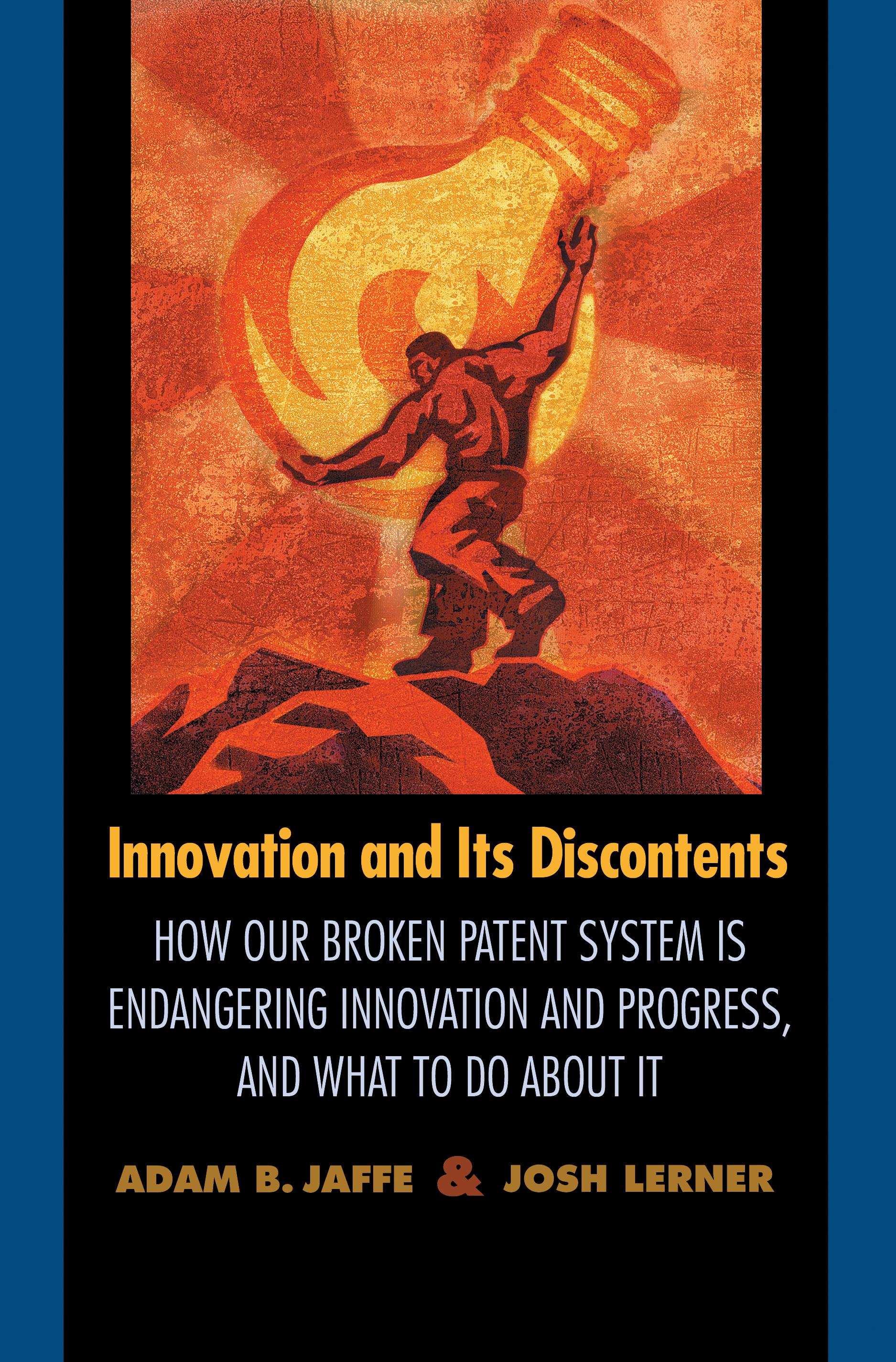
The United States patent system has become sand rather than lubricant in the wheels of American progress. Such is the premise behind this provocative and timely book by two of the nation's leading experts on patents and economic innovation.
Innovation and Its Discontents tells the story of how recent changes in patenting--an institutional process that was created to nurture innovation--have wreaked havoc on innovators, businesses, and economic productivity. Jaffe and Lerner, who have spent the past two decades studying the patent system, show how legal changes initiated in the 1980s converted the system from a stimulator of innovation to a creator of litigation and uncertainty that threatens the innovation process itself.
In one telling vignette, Jaffe and Lerner cite a patent litigation campaign brought by a a semi-conductor chip designer that claims control of an entire category of computer memory chips. The firm's claims are based on a modest 15-year old invention, whose scope and influenced were broadened by secretly manipulating an industry-wide cooperative standard-setting body.
Such cases are largely the result of two changes in the patent climate, Jaffe and Lerner contend. First, new laws have made it easier for businesses and inventors to secure patents on products of all kinds, and second, the laws have tilted the table to favor patent holders, no matter how tenuous their claims.
After analyzing the economic incentives created by the current policies, Jaffe and Lerner suggest a three-pronged solution for restoring the patent system: create incentives to motivate parties who have information about the novelty of a patent; provide multiple levels of patent review; and replace juries with judges and special masters to preside over certain aspects of infringement cases.
Well-argued and engagingly written, Innovation and Its Discontents offers a fresh approach for enhancing both the nation's creativity and its economic growth.
Before Memmo my notes were scattered across PDFs. Now a workspace pulls everything into one place — I see exactly what's still left to study.
Memmo's summaries are gold before exams. I don't have to re-read 800 pages two weeks before — just the important parts.
The AI chat has saved me the night before an exam more than once. I just keep asking until I get it — no waiting on a study group to reply.
The quizzes hit exactly what I need to know. Memmo tracks what I get stuck on — so I only practice what's worth it.
Flashcards with spaced repetition are magic. Memmo knows when I'm about to forget something and brings it back.
The AI podcasts are my favorite. I listen on my way to school and get a recap without sitting at a computer.

Handbok i kvalitativa metoder
281 kr

Hållbar utveckling: en introduktion för ingenjörer och andra problemlösare
334 kr

Brymans Samhällsvetenskapliga metoder
390 kr

Projektledning
491 kr

Den orättvisa hälsan: om socioekonomiska skillnader i hälsa och livslängd
326 kr

Vetenskapsteori för nybörjare
196 kr

Organizational Leadership
429 kr

På väg mot läraryrket
172 kr

Det sociala livet i skolan: Socialpsykologiska perspektiv
253 kr

Betygsättningens didaktik
151 kr

Personality
402 kr

Studying Leadership
404 kr

Managing Innovation
477 kr

Introduktion till samhällsvetenskaplig metod
347 kr

The Psychology of Sex and Gender
698 kr

Evidens och kunskap för socialt arbete
207 kr

Introduction to Leadership
605 kr