
Before Memmo my notes were scattered across PDFs. Now a workspace pulls everything into one place — I see exactly what's still left to study.
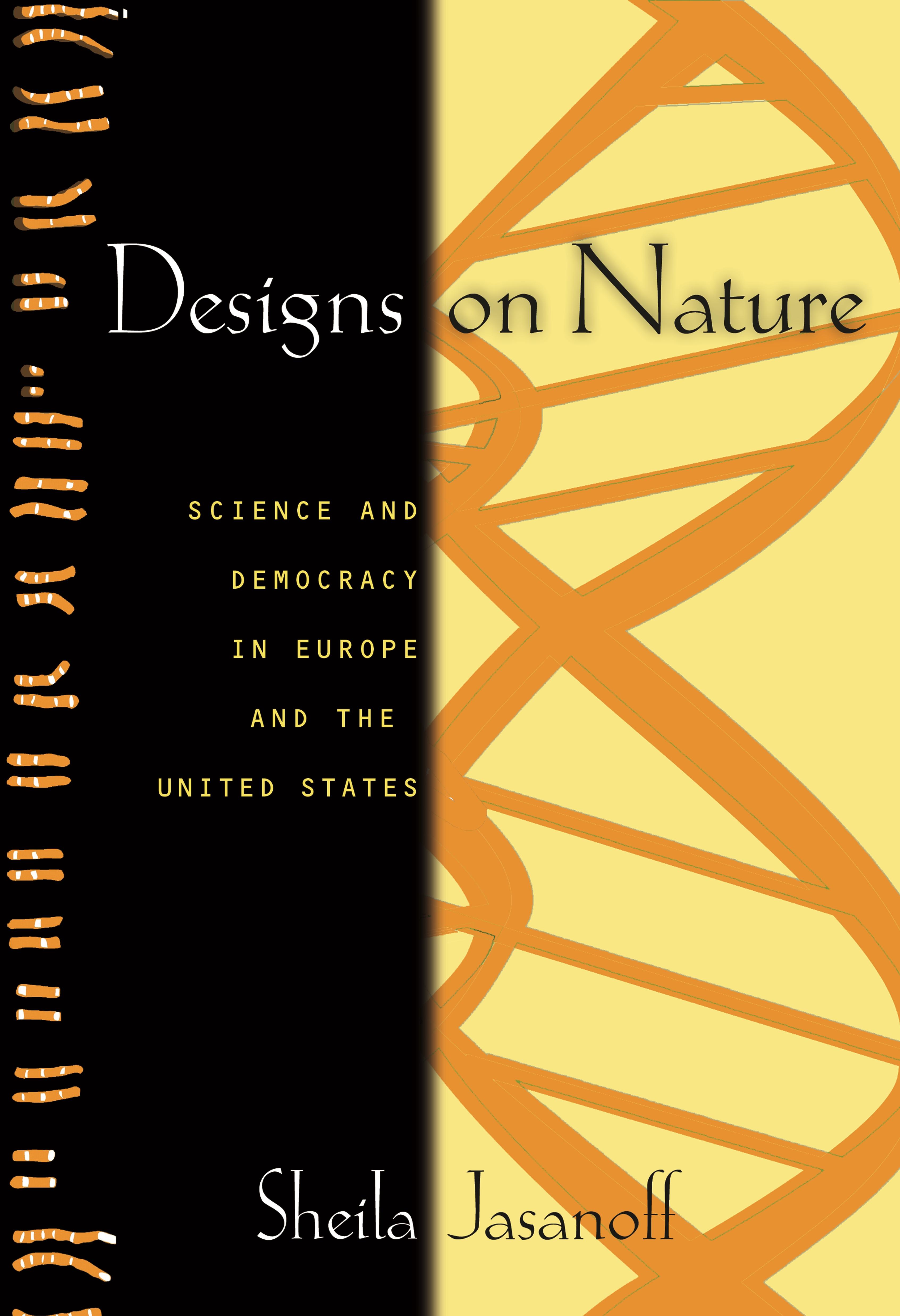
Biology and politics have converged today across much of the industrialized world. Debates about genetically modified organisms, cloning, stem cells, animal patenting, and new reproductive technologies crowd media headlines and policy agendas. Less noticed, but no less important, are the rifts that have appeared among leading Western nations about the right way to govern innovation in genetics and biotechnology. These significant differences in law and policy, and in ethical analysis, may in a globalizing world act as obstacles to free trade, scientific inquiry, and shared understandings of human dignity.
In this magisterial look at some twenty-five years of scientific and social development, Sheila Jasanoff compares the politics and policy of the life sciences in Britain, Germany, the United States, and in the European Union as a whole. She shows how public and private actors in each setting evaluated new manifestations of biotechnology and tried to reassure themselves about their safety.
Three main themes emerge. First, core concepts of democratic theory, such as citizenship, deliberation, and accountability, cannot be understood satisfactorily without taking on board the politics of science and technology. Second, in all three countries, policies for the life sciences have been incorporated into "nation-building" projects that seek to reimagine what the nation stands for. Third, political culture influences democratic politics, and it works through the institutionalized ways in which citizens understand and evaluate public knowledge. These three aspects of contemporary politics, Jasanoff argues, help account not only for policy divergences but also for the perceived legitimacy of state actions.
Before Memmo my notes were scattered across PDFs. Now a workspace pulls everything into one place — I see exactly what's still left to study.
Memmo's summaries are gold before exams. I don't have to re-read 800 pages two weeks before — just the important parts.
The AI chat has saved me the night before an exam more than once. I just keep asking until I get it — no waiting on a study group to reply.
The quizzes hit exactly what I need to know. Memmo tracks what I get stuck on — so I only practice what's worth it.
Flashcards with spaced repetition are magic. Memmo knows when I'm about to forget something and brings it back.
The AI podcasts are my favorite. I listen on my way to school and get a recap without sitting at a computer.

Handbok i kvalitativa metoder
281 kr

Hållbar utveckling: en introduktion för ingenjörer och andra problemlösare
334 kr

Brymans Samhällsvetenskapliga metoder
390 kr

Projektledning
491 kr

Den orättvisa hälsan: om socioekonomiska skillnader i hälsa och livslängd
326 kr

Organizational Leadership
429 kr

Vetenskapsteori för nybörjare
196 kr

På väg mot läraryrket
172 kr

Det sociala livet i skolan: Socialpsykologiska perspektiv
253 kr

Betygsättningens didaktik
151 kr

Personality
402 kr

Studying Leadership
404 kr

Managing Innovation
477 kr

Introduktion till samhällsvetenskaplig metod
347 kr

The Psychology of Sex and Gender
698 kr

Evidens och kunskap för socialt arbete
207 kr

Introduction to Leadership
605 kr