
Before Memmo my notes were scattered across PDFs. Now a workspace pulls everything into one place — I see exactly what's still left to study.
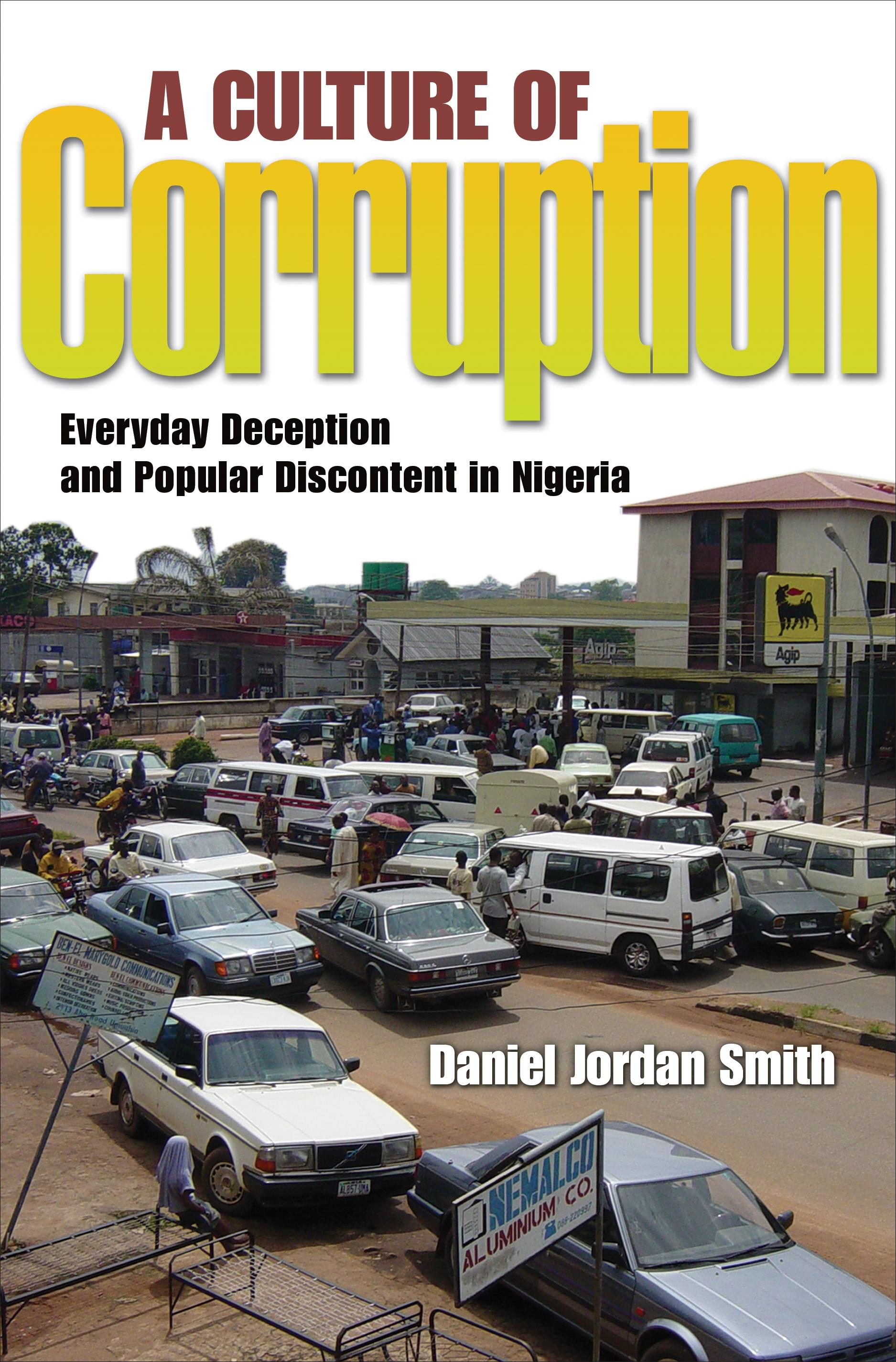
E-mails proposing an "urgent business relationship" help make fraud Nigeria's largest source of foreign revenue after oil. But scams are also a central part of Nigeria's domestic cultural landscape. Corruption is so widespread in Nigeria that its citizens call it simply "the Nigerian factor." Willing or unwilling participants in corruption at every turn, Nigerians are deeply ambivalent about it--resigning themselves to it, justifying it, or complaining about it. They are painfully aware of the damage corruption does to their country and see themselves as their own worst enemies, but they have been unable to stop it. A Culture of Corruption is a profound and sympathetic attempt to understand the dilemmas average Nigerians face every day as they try to get ahead--or just survive--in a society riddled with corruption.
Drawing on firsthand experience, Daniel Jordan Smith paints a vivid portrait of Nigerian corruption--of nationwide fuel shortages in Africa's oil-producing giant, Internet cafés where the young launch their e-mail scams, checkpoints where drivers must bribe police, bogus organizations that siphon development aid, and houses painted with the fraud-preventive words "not for sale." This is a country where "419"--the number of an antifraud statute--has become an inescapable part of the culture, and so universal as a metaphor for deception that even a betrayed lover can say, "He played me 419." It is impossible to comprehend Nigeria today--from vigilantism and resurgent ethnic nationalism to rising Pentecostalism and accusations of witchcraft and cannibalism--without understanding the role played by corruption and popular reactions to it.
Some images inside the book are unavailable due to digital copyright restrictions.
Before Memmo my notes were scattered across PDFs. Now a workspace pulls everything into one place — I see exactly what's still left to study.
Memmo's summaries are gold before exams. I don't have to re-read 800 pages two weeks before — just the important parts.
The AI chat has saved me the night before an exam more than once. I just keep asking until I get it — no waiting on a study group to reply.
The quizzes hit exactly what I need to know. Memmo tracks what I get stuck on — so I only practice what's worth it.
Flashcards with spaced repetition are magic. Memmo knows when I'm about to forget something and brings it back.
The AI podcasts are my favorite. I listen on my way to school and get a recap without sitting at a computer.

Handbok i kvalitativa metoder
281 kr

Hållbar utveckling: en introduktion för ingenjörer och andra problemlösare
334 kr

Brymans Samhällsvetenskapliga metoder
390 kr

Projektledning
491 kr

Den orättvisa hälsan: om socioekonomiska skillnader i hälsa och livslängd
326 kr

Vetenskapsteori för nybörjare
196 kr

Organizational Leadership
429 kr

På väg mot läraryrket
172 kr

Det sociala livet i skolan: Socialpsykologiska perspektiv
253 kr

Betygsättningens didaktik
151 kr

Personality
402 kr

Studying Leadership
404 kr

Managing Innovation
477 kr

Introduktion till samhällsvetenskaplig metod
347 kr

The Psychology of Sex and Gender
698 kr

Evidens och kunskap för socialt arbete
207 kr

Introduction to Leadership
605 kr