
Before Memmo my notes were scattered across PDFs. Now a workspace pulls everything into one place — I see exactly what's still left to study.
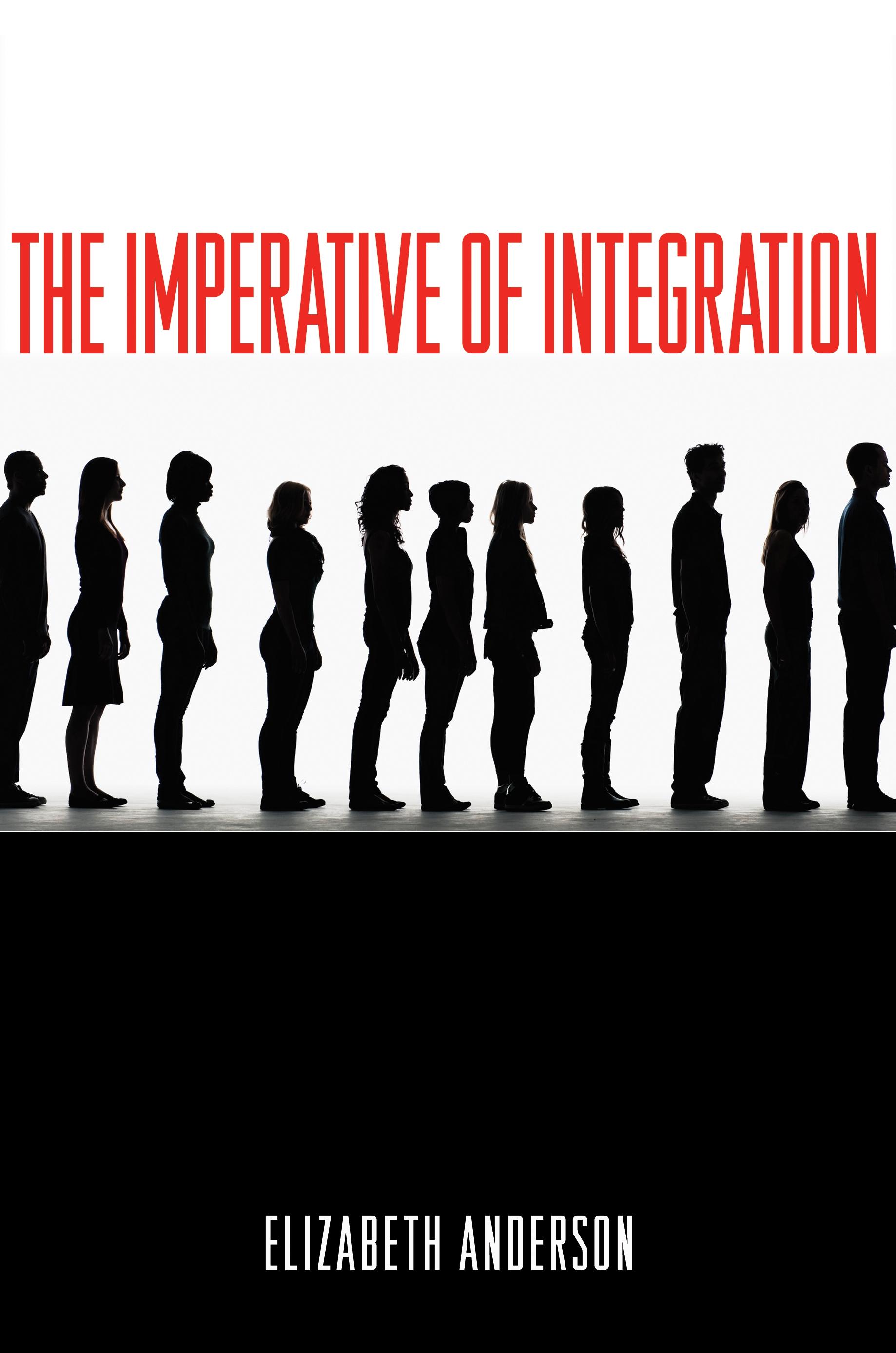
A powerful new argument for reviving the ideal of racial integration
More than forty years have passed since Congress, in response to the Civil Rights Movement, enacted sweeping antidiscrimination laws in the Civil Rights Act of 1964, the Voting Rights Act of 1965, and the Fair Housing Act of 1968. As a signal achievement of that legacy, in 2008, Americans elected their first African American president. Some would argue that we have finally arrived at a postracial America, but The Imperative of Integration indicates otherwise. Elizabeth Anderson demonstrates that, despite progress toward racial equality, African Americans remain disadvantaged on virtually all measures of well-being. Segregation remains a key cause of these problems, and Anderson skillfully shows why racial integration is needed to address these issues. Weaving together extensive social science findings—in economics, sociology, and psychology—with political theory, this book provides a compelling argument for reviving the ideal of racial integration to overcome injustice and inequality, and to build a better democracy.
Considering the effects of segregation and integration across multiple social arenas, Anderson exposes the deficiencies of racial views on both the right and the left. She reveals the limitations of conservative explanations for black disadvantage in terms of cultural pathology within the black community and explains why color blindness is morally misguided. Multicultural celebrations of group differences are also not enough to solve our racial problems. Anderson provides a distinctive rationale for affirmative action as a tool for promoting integration, and explores how integration can be practiced beyond affirmative action.
Offering an expansive model for practicing political philosophy in close collaboration with the social sciences, this book is a trenchant examination of how racial integration can lead to a more robust and responsive democracy.
Before Memmo my notes were scattered across PDFs. Now a workspace pulls everything into one place — I see exactly what's still left to study.
Memmo's summaries are gold before exams. I don't have to re-read 800 pages two weeks before — just the important parts.
The AI chat has saved me the night before an exam more than once. I just keep asking until I get it — no waiting on a study group to reply.
The quizzes hit exactly what I need to know. Memmo tracks what I get stuck on — so I only practice what's worth it.
Flashcards with spaced repetition are magic. Memmo knows when I'm about to forget something and brings it back.
The AI podcasts are my favorite. I listen on my way to school and get a recap without sitting at a computer.

Handbok i kvalitativa metoder
281 kr

Hållbar utveckling: en introduktion för ingenjörer och andra problemlösare
334 kr

Brymans Samhällsvetenskapliga metoder
390 kr

Projektledning
491 kr

Den orättvisa hälsan: om socioekonomiska skillnader i hälsa och livslängd
326 kr

Vetenskapsteori för nybörjare
196 kr

Organizational Leadership
429 kr

På väg mot läraryrket
172 kr

Det sociala livet i skolan: Socialpsykologiska perspektiv
253 kr

Betygsättningens didaktik
151 kr

Personality
402 kr

Studying Leadership
404 kr

Managing Innovation
477 kr

Introduktion till samhällsvetenskaplig metod
347 kr

The Psychology of Sex and Gender
698 kr

Evidens och kunskap för socialt arbete
207 kr

Introduction to Leadership
605 kr