
Before Memmo my notes were scattered across PDFs. Now a workspace pulls everything into one place — I see exactly what's still left to study.
How aggressive military strategies win wars, from ancient times to today
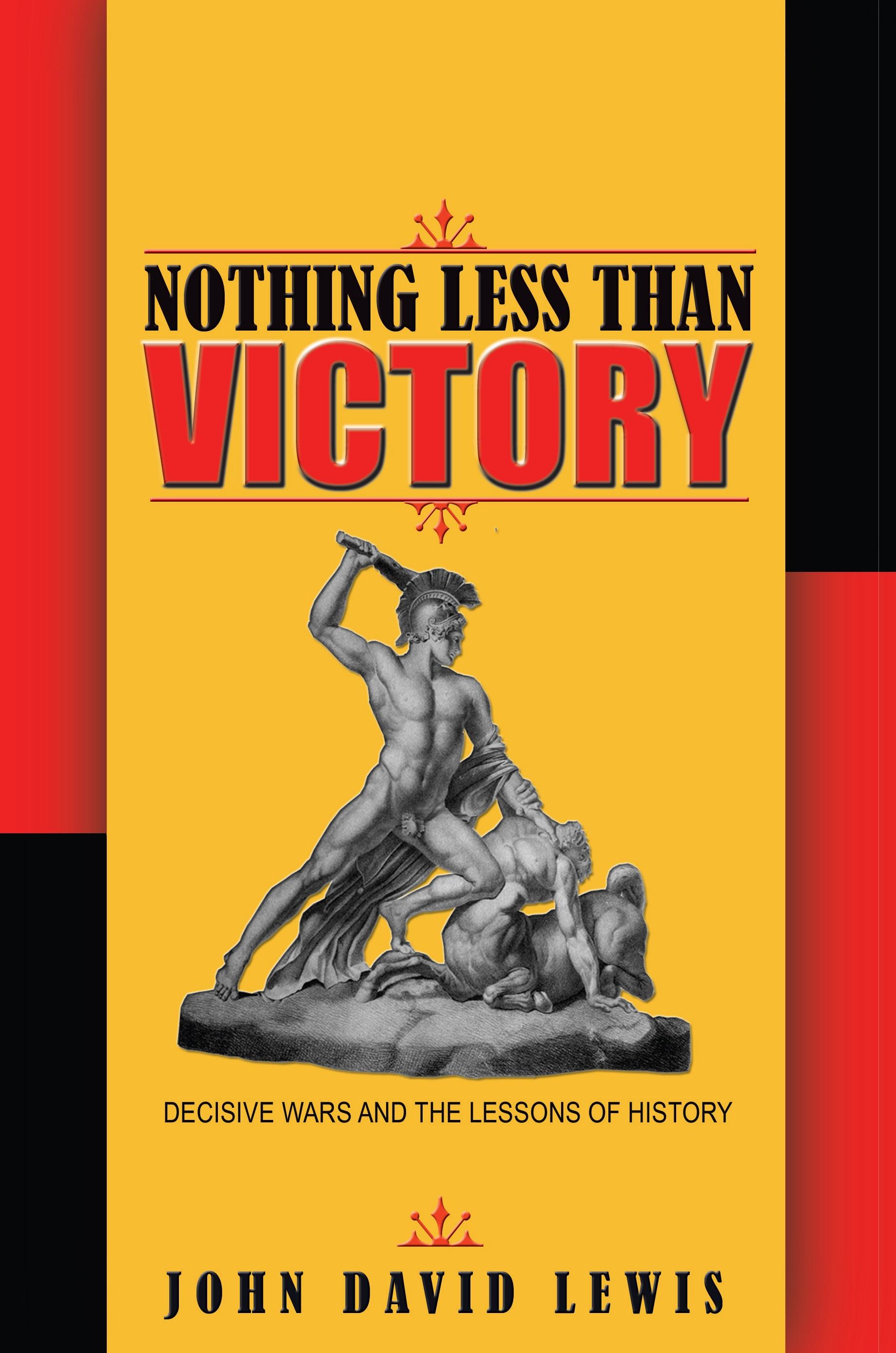
The goal of war is to defeat the enemy's will to fight. But how this can be accomplished is a thorny issue. Nothing Less than Victory provocatively shows that aggressive, strategic military offenses can win wars and establish lasting peace, while defensive maneuvers have often led to prolonged carnage, indecision, and stalemate. Taking an ambitious and sweeping look at six major wars, from antiquity to World War II, John David Lewis shows how victorious military commanders have achieved long-term peace by identifying the core of the enemy's ideological, political, and social support for a war, fiercely striking at this objective, and demanding that the enemy acknowledges its defeat.
Lewis examines the Greco-Persian and Theban wars, the Second Punic War, Aurelian's wars to reunify Rome, the American Civil War, and the Second World War. He considers successful examples of overwhelming force, such as the Greek mutilation of Xerxes' army and navy, the Theban-led invasion of the Spartan homeland, and Hannibal's attack against Italy—as well as failed tactics of defense, including Fabius's policy of delay, McClellan's retreat from Richmond, and Chamberlain's appeasement of Hitler. Lewis shows that a war's endurance rests in each side's reasoning, moral purpose, and commitment to fight, and why an effectively aimed, well-planned, and quickly executed offense can end a conflict and create the conditions needed for long-term peace.
Recognizing the human motivations behind military conflicts, Nothing Less than Victory makes a powerful case for offensive actions in pursuit of peace.
Before Memmo my notes were scattered across PDFs. Now a workspace pulls everything into one place — I see exactly what's still left to study.
Memmo's summaries are gold before exams. I don't have to re-read 800 pages two weeks before — just the important parts.
The AI chat has saved me the night before an exam more than once. I just keep asking until I get it — no waiting on a study group to reply.
The quizzes hit exactly what I need to know. Memmo tracks what I get stuck on — so I only practice what's worth it.
Flashcards with spaced repetition are magic. Memmo knows when I'm about to forget something and brings it back.
The AI podcasts are my favorite. I listen on my way to school and get a recap without sitting at a computer.

Handbok i kvalitativa metoder
281 kr

Hållbar utveckling: en introduktion för ingenjörer och andra problemlösare
334 kr

Brymans Samhällsvetenskapliga metoder
390 kr

Projektledning
491 kr

Den orättvisa hälsan: om socioekonomiska skillnader i hälsa och livslängd
326 kr

Vetenskapsteori för nybörjare
196 kr

Organizational Leadership
429 kr

På väg mot läraryrket
172 kr

Det sociala livet i skolan: Socialpsykologiska perspektiv
253 kr

Betygsättningens didaktik
151 kr

Personality
402 kr

Studying Leadership
404 kr

Managing Innovation
477 kr

Introduktion till samhällsvetenskaplig metod
347 kr

The Psychology of Sex and Gender
698 kr

Evidens och kunskap för socialt arbete
207 kr

Introduction to Leadership
605 kr