
Before Memmo my notes were scattered across PDFs. Now a workspace pulls everything into one place — I see exactly what's still left to study.
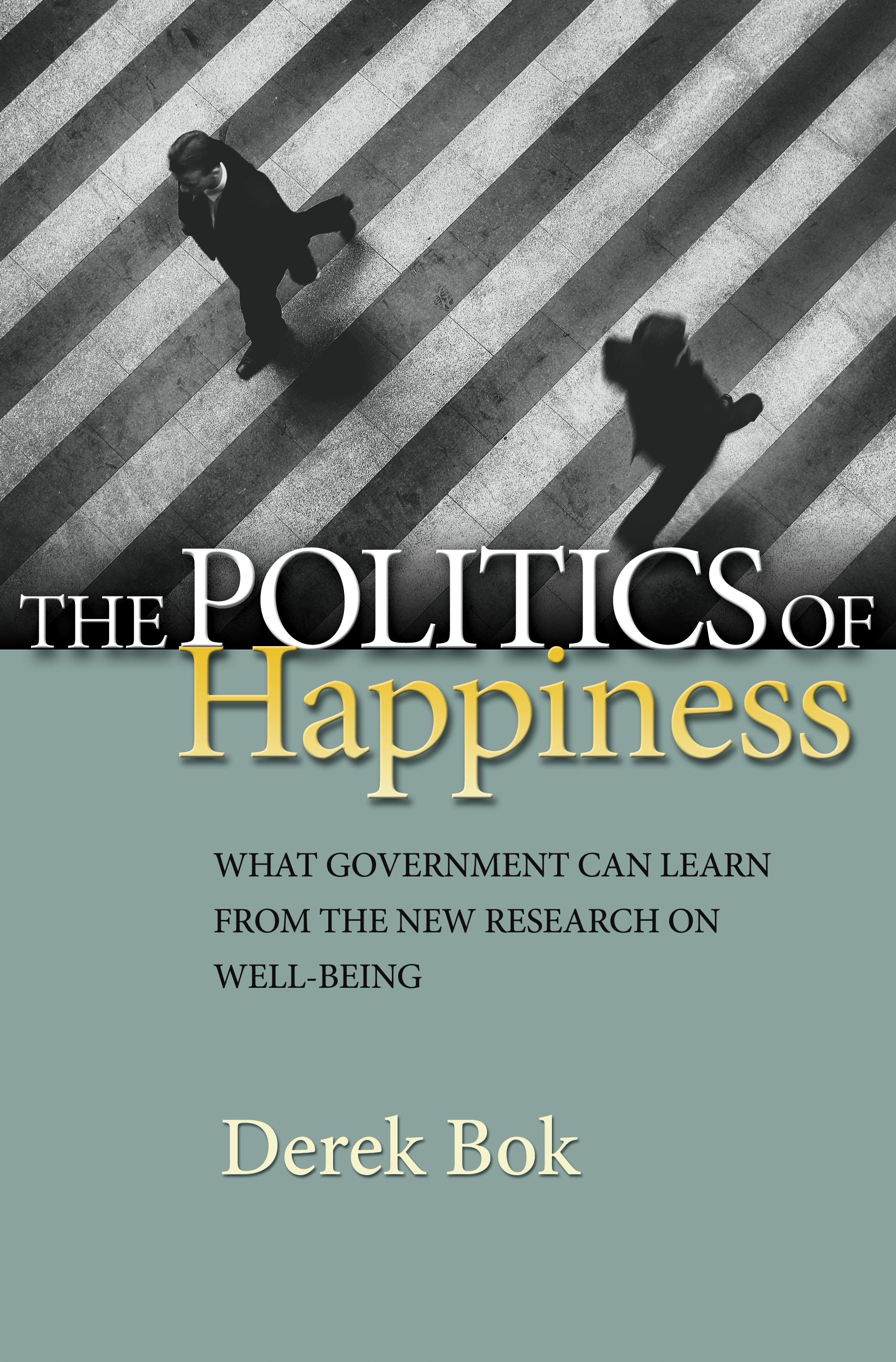
New insights into what makes people happy and how policymakers can foster greater satisfaction for all
During the past forty years, thousands of studies have been carried out on the subject of happiness. Some have explored the levels of happiness or dissatisfaction associated with typical daily activities, such as working, seeing friends, or doing household chores. Others have tried to determine the extent to which income, family, religion, and other factors are associated with the satisfaction people feel about their lives. The Gallup organization has begun conducting global surveys of happiness, and several countries are considering publishing periodic reports on the growth or decline of happiness among their people. One nation, tiny Bhutan, has actually made "Gross National Happiness" the central aim of its domestic policy. How might happiness research affect government policy in the United States--and beyond? In The Politics of Happiness, former Harvard president Derek Bok examines how governments could use the rapidly growing research data on what makes people happy--in a variety of policy areas to increase well-being and improve the quality of life for all their citizens.
Bok first describes the principal findings of happiness researchers. He considers how reliable the results appear to be and whether they deserve to be taken into account in devising government policies. Recognizing both the strengths and weaknesses of happiness research, Bok looks at the policy implications for economic growth, equality, retirement, unemployment, health care, mental health, family programs, education, and government quality, among other subjects. Timely and incisive, The Politics of Happiness sheds new light on what makes people happy and how government policy could foster greater satisfaction for all.
Before Memmo my notes were scattered across PDFs. Now a workspace pulls everything into one place — I see exactly what's still left to study.
Memmo's summaries are gold before exams. I don't have to re-read 800 pages two weeks before — just the important parts.
The AI chat has saved me the night before an exam more than once. I just keep asking until I get it — no waiting on a study group to reply.
The quizzes hit exactly what I need to know. Memmo tracks what I get stuck on — so I only practice what's worth it.
Flashcards with spaced repetition are magic. Memmo knows when I'm about to forget something and brings it back.
The AI podcasts are my favorite. I listen on my way to school and get a recap without sitting at a computer.

Handbok i kvalitativa metoder
281 kr

Hållbar utveckling: en introduktion för ingenjörer och andra problemlösare
334 kr

Brymans Samhällsvetenskapliga metoder
390 kr

Projektledning
491 kr

Den orättvisa hälsan: om socioekonomiska skillnader i hälsa och livslängd
326 kr

Vetenskapsteori för nybörjare
196 kr

Organizational Leadership
429 kr

På väg mot läraryrket
172 kr

Det sociala livet i skolan: Socialpsykologiska perspektiv
253 kr

Betygsättningens didaktik
151 kr

Personality
402 kr

Studying Leadership
404 kr

Managing Innovation
477 kr

Introduktion till samhällsvetenskaplig metod
347 kr

The Psychology of Sex and Gender
698 kr

Evidens och kunskap för socialt arbete
207 kr

Introduction to Leadership
605 kr