
Before Memmo my notes were scattered across PDFs. Now a workspace pulls everything into one place — I see exactly what's still left to study.
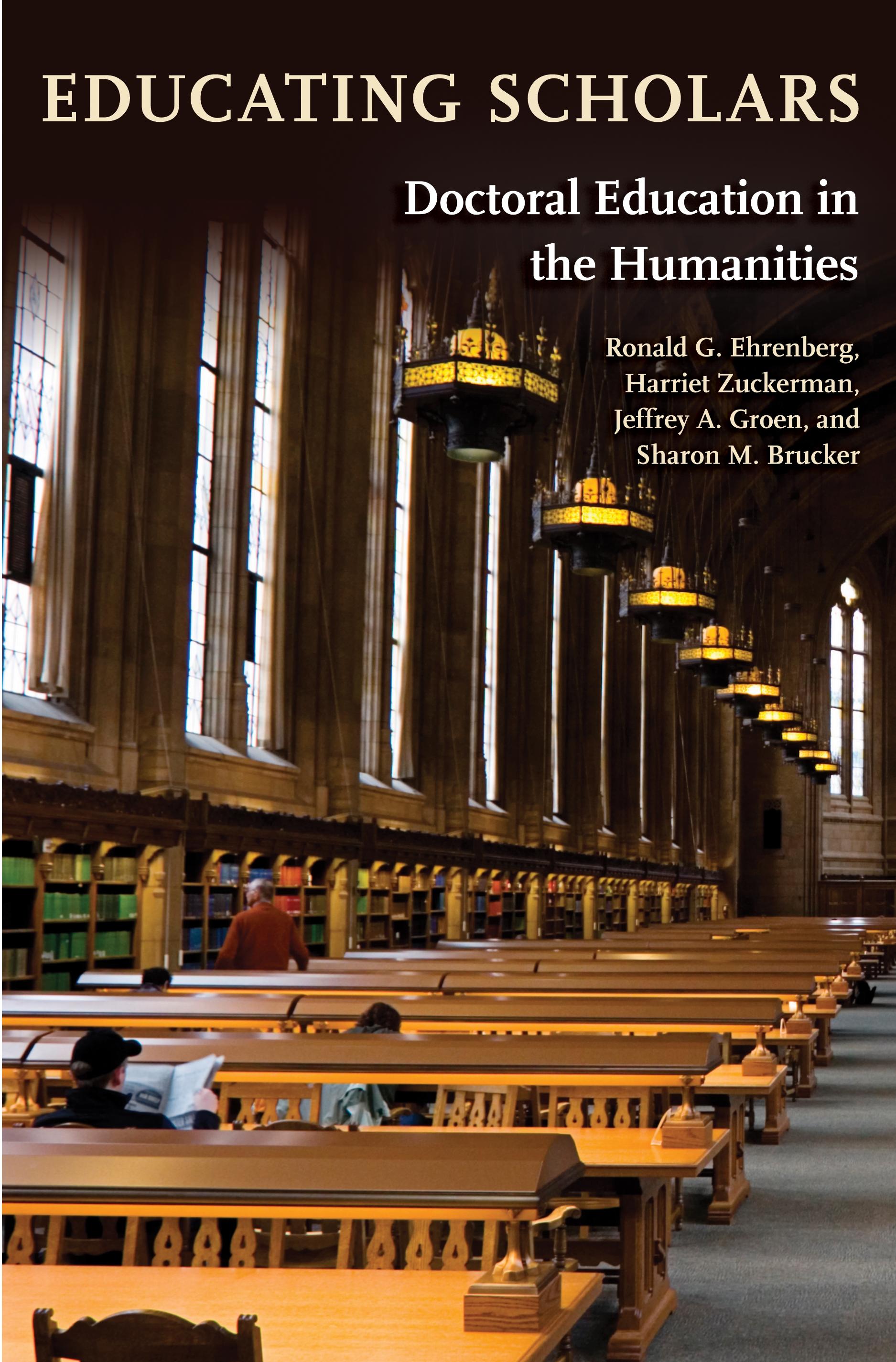
Meeting the challenges faced by today's U.S. doctoral humanities programs
Despite the worldwide prestige of America's doctoral programs in the humanities, all is not well in this area of higher education and hasn't been for some time. The content of graduate programs has undergone major changes, while high rates of student attrition, long times to degree, and financial burdens prevail. In response, the Andrew W. Mellon Foundation in 1991 launched the Graduate Education Initiative (GEI), the largest effort ever undertaken to improve doctoral programs in the humanities and related social sciences. The only book to focus exclusively on the current state of doctoral education in the humanities, Educating Scholars reports on the GEI's success in reducing attrition and times to degree, the positive changes implemented by specific graduate programs, and the many challenges still to be addressed.
Over a ten-year period, the Foundation devoted almost eighty-five million dollars through the GEI to provide support for doctoral programs and student aid in fifty-four departments at ten leading universities. The authors examine data that tracked the students in these departments and in control departments, as well as information gathered from a retrospective survey of students. They reveal that completion and attrition rates depend upon financial support, the quality of advising, clarity of program requirements, and each department's expectations regarding the dissertation. The authors consider who earns doctoral degrees, what affects students' chances of finishing their programs, and how successful they are at finding academic jobs.
Answering some of the most important questions being raised about American doctoral programs today, Educating Scholars will interest all those concerned about our nation's intellectual future.
Before Memmo my notes were scattered across PDFs. Now a workspace pulls everything into one place — I see exactly what's still left to study.
Memmo's summaries are gold before exams. I don't have to re-read 800 pages two weeks before — just the important parts.
The AI chat has saved me the night before an exam more than once. I just keep asking until I get it — no waiting on a study group to reply.
The quizzes hit exactly what I need to know. Memmo tracks what I get stuck on — so I only practice what's worth it.
Flashcards with spaced repetition are magic. Memmo knows when I'm about to forget something and brings it back.
The AI podcasts are my favorite. I listen on my way to school and get a recap without sitting at a computer.

Handbok i kvalitativa metoder
281 kr

Hållbar utveckling: en introduktion för ingenjörer och andra problemlösare
334 kr

Brymans Samhällsvetenskapliga metoder
390 kr

Projektledning
491 kr

Den orättvisa hälsan: om socioekonomiska skillnader i hälsa och livslängd
326 kr

Organizational Leadership
429 kr

Vetenskapsteori för nybörjare
196 kr

På väg mot läraryrket
172 kr

Det sociala livet i skolan: Socialpsykologiska perspektiv
253 kr

Betygsättningens didaktik
151 kr

Personality
402 kr

Studying Leadership
404 kr

Managing Innovation
477 kr

Introduktion till samhällsvetenskaplig metod
347 kr

The Psychology of Sex and Gender
698 kr

Evidens och kunskap för socialt arbete
207 kr

Introduction to Leadership
605 kr