
Before Memmo my notes were scattered across PDFs. Now a workspace pulls everything into one place — I see exactly what's still left to study.
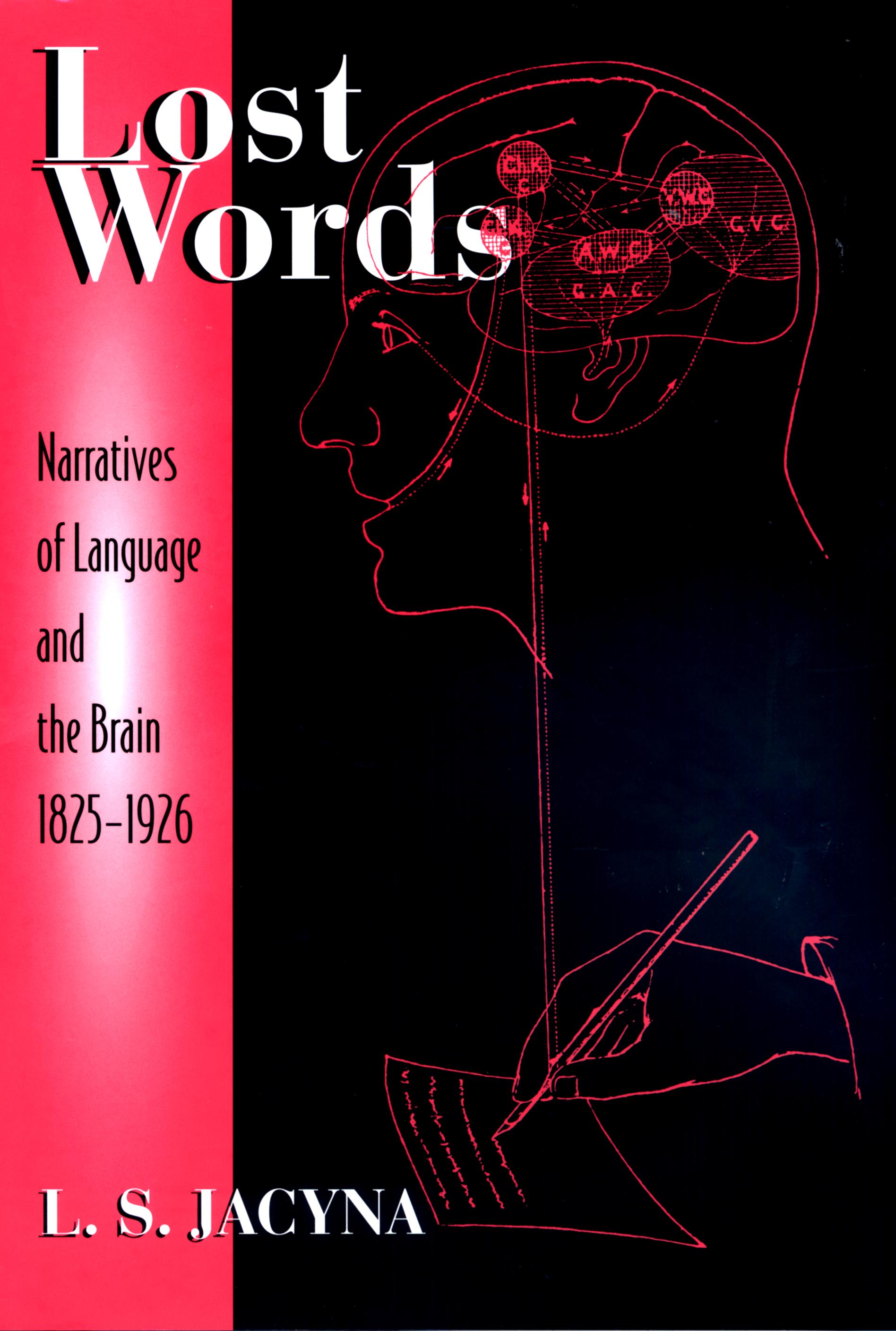
In the mid-nineteenth century, physicians observed numerous cases in which individuals lost the ability to form spoken words, even as they remained sane and healthy in most other ways. By studying this condition, which came to be known as "aphasia," neurologists were able to show that functions of mind were rooted in localized areas of the brain. Here L. S. Jacyna analyzes medical writings on aphasia to illuminate modern scientific discourse on the relations between language and the brain, from the very beginnings of this discussion through World War I. Viewing these texts as literature--complete with guiding metaphors and rhetorical strategies--Jacyna reveals the power they exerted on the ways in which the human subject was constructed in medicine.
Jacyna submits the medical texts to various critical readings and provides a review of the pictorial representation involved with the creation of aphasiology. He considers the scientific, experimental, and clinical aspects of this new field, together with the cultural, professional, and political dimensions of what would become the authoritative discourse about language and the brain. At the core of the study is an inquiry into the processes whereby men and women suffering from language loss were transformed into the "aphasic," an entity amenable to scientific scrutiny and capable of yielding insights about the fundamental workings of the brain. But what became of the subject's human identity? Lost Words explores the links among language, humanity, and mental presence that make the aphasiological project one of continuing fascination.
Before Memmo my notes were scattered across PDFs. Now a workspace pulls everything into one place — I see exactly what's still left to study.
Memmo's summaries are gold before exams. I don't have to re-read 800 pages two weeks before — just the important parts.
The AI chat has saved me the night before an exam more than once. I just keep asking until I get it — no waiting on a study group to reply.
The quizzes hit exactly what I need to know. Memmo tracks what I get stuck on — so I only practice what's worth it.
Flashcards with spaced repetition are magic. Memmo knows when I'm about to forget something and brings it back.
The AI podcasts are my favorite. I listen on my way to school and get a recap without sitting at a computer.

Handbok i kvalitativa metoder
281 kr

Hållbar utveckling: en introduktion för ingenjörer och andra problemlösare
334 kr

Brymans Samhällsvetenskapliga metoder
390 kr

Projektledning
491 kr

Den orättvisa hälsan: om socioekonomiska skillnader i hälsa och livslängd
326 kr

Vetenskapsteori för nybörjare
196 kr

Organizational Leadership
429 kr

På väg mot läraryrket
172 kr

Det sociala livet i skolan: Socialpsykologiska perspektiv
253 kr

Betygsättningens didaktik
151 kr

Personality
402 kr

Studying Leadership
404 kr

Managing Innovation
477 kr

Introduktion till samhällsvetenskaplig metod
347 kr

The Psychology of Sex and Gender
698 kr

Evidens och kunskap för socialt arbete
207 kr

Introduction to Leadership
605 kr