
Before Memmo my notes were scattered across PDFs. Now a workspace pulls everything into one place — I see exactly what's still left to study.
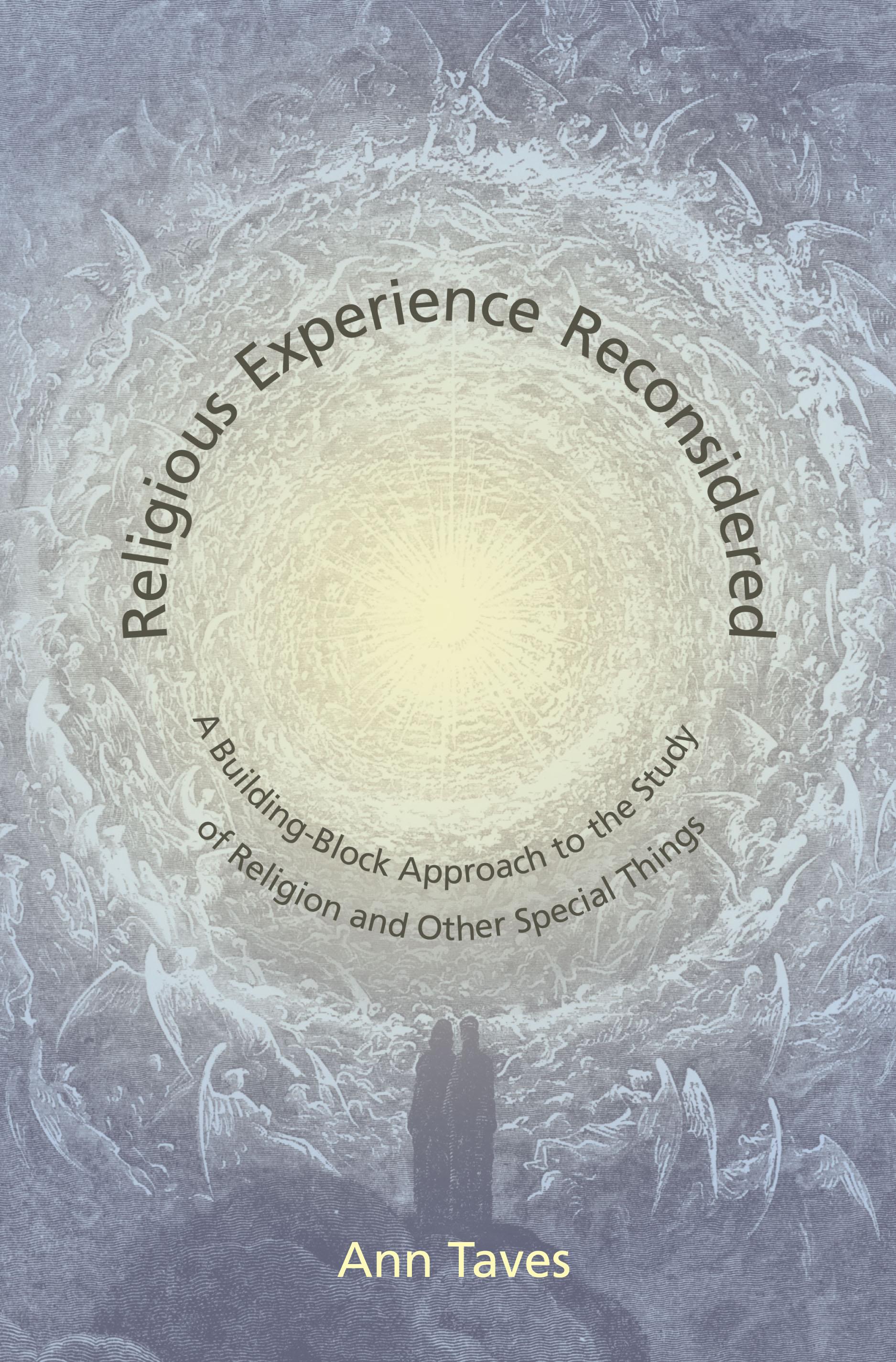
How the sciences of the mind can advance the study of religion
The essence of religion was once widely thought to be a unique form of experience that could not be explained in neurological, psychological, or sociological terms. In recent decades scholars have questioned the privileging of the idea of religious experience in the study of religion, an approach that effectively isolated the study of religion from the social and natural sciences. Religious Experience Reconsidered lays out a framework for research into religious phenomena that reclaims experience as a central concept while bridging the divide between religious studies and the sciences.
Ann Taves shifts the focus from "religious experience," conceived as a fixed and stable thing, to an examination of the processes by which people attribute meaning to their experiences. She proposes a new approach that unites the study of religion with fields as diverse as neuroscience, anthropology, sociology, and psychology to better understand how these processes are incorporated into the broader cultural formations we think of as religious or spiritual. Taves addresses a series of key questions: how can we set up studies without obscuring contestations over meaning and value? What is the relationship between experience and consciousness? How can research into consciousness help us access and interpret the experiences of others? Why do people individually or collectively explain their experiences in religious terms? How can we set up studies that allow us to compare experiences across times and cultures?
Religious Experience Reconsidered demonstrates how methods from the sciences can be combined with those from the humanities to advance a naturalistic understanding of the experiences that people deem religious.
Before Memmo my notes were scattered across PDFs. Now a workspace pulls everything into one place — I see exactly what's still left to study.
Memmo's summaries are gold before exams. I don't have to re-read 800 pages two weeks before — just the important parts.
The AI chat has saved me the night before an exam more than once. I just keep asking until I get it — no waiting on a study group to reply.
The quizzes hit exactly what I need to know. Memmo tracks what I get stuck on — so I only practice what's worth it.
Flashcards with spaced repetition are magic. Memmo knows when I'm about to forget something and brings it back.
The AI podcasts are my favorite. I listen on my way to school and get a recap without sitting at a computer.

Handbok i kvalitativa metoder
281 kr

Hållbar utveckling: en introduktion för ingenjörer och andra problemlösare
334 kr

Brymans Samhällsvetenskapliga metoder
390 kr

Projektledning
491 kr

Den orättvisa hälsan: om socioekonomiska skillnader i hälsa och livslängd
326 kr

Organizational Leadership
429 kr

Vetenskapsteori för nybörjare
196 kr

På väg mot läraryrket
172 kr

Det sociala livet i skolan: Socialpsykologiska perspektiv
253 kr

Betygsättningens didaktik
151 kr

Personality
402 kr

Studying Leadership
404 kr

Managing Innovation
477 kr

Introduktion till samhällsvetenskaplig metod
347 kr

The Psychology of Sex and Gender
698 kr

Evidens och kunskap för socialt arbete
207 kr

Introduction to Leadership
605 kr