
Before Memmo my notes were scattered across PDFs. Now a workspace pulls everything into one place — I see exactly what's still left to study.
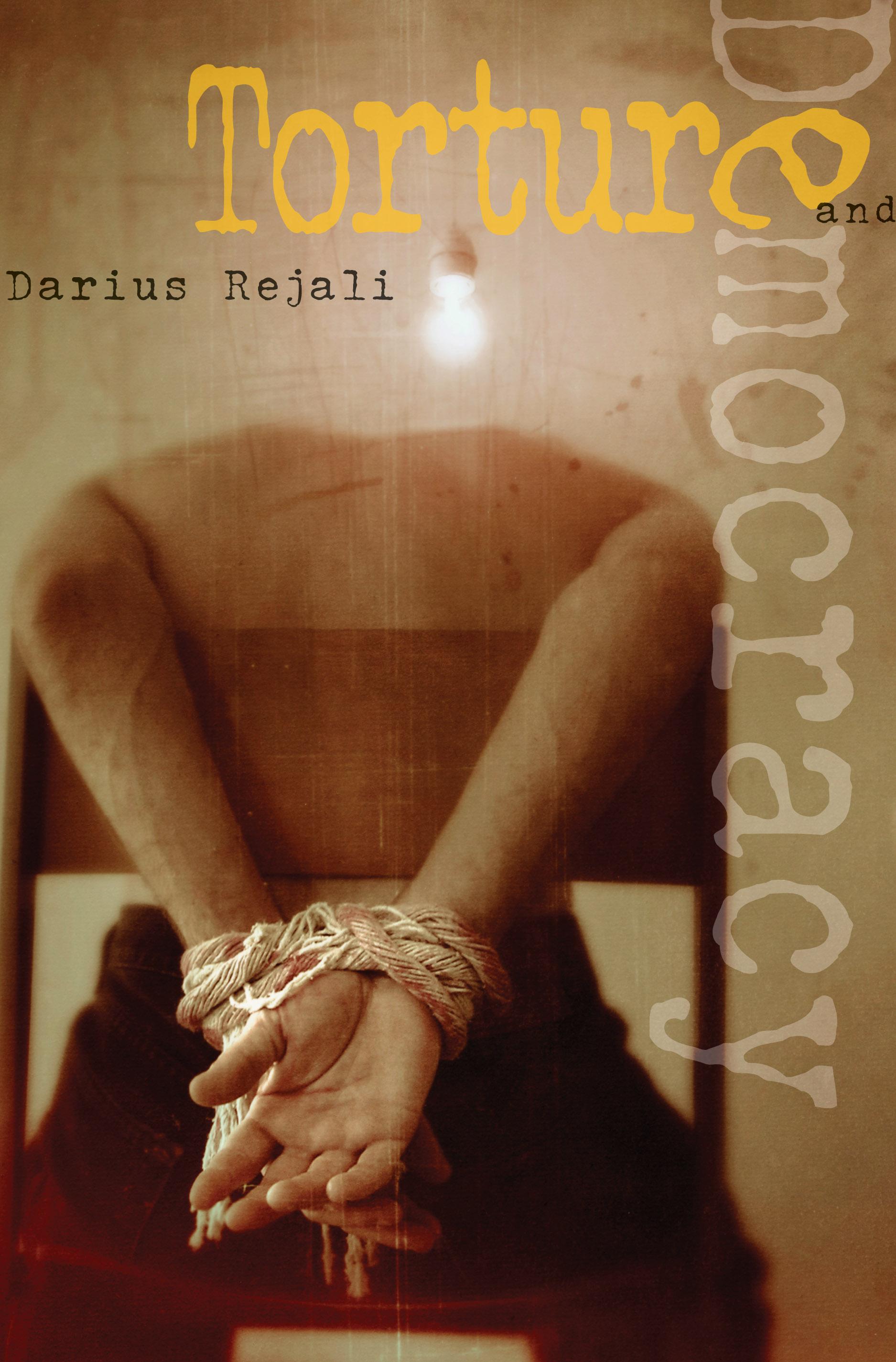
This is the most comprehensive, and most comprehensively chilling, study of modern torture yet written. Darius Rejali, one of the world's leading experts on torture, takes the reader from the late nineteenth century to the aftermath of Abu Ghraib, from slavery and the electric chair to electrotorture in American inner cities, and from French and British colonial prison cells and the Spanish-American War to the fields of Vietnam, the wars of the Middle East, and the new democracies of Latin America and Europe.
As Rejali traces the development and application of one torture technique after another in these settings, he reaches startling conclusions. As the twentieth century progressed, he argues, democracies not only tortured, but set the international pace for torture. Dictatorships may have tortured more, and more indiscriminately, but the United States, Britain, and France pioneered and exported techniques that have become the lingua franca of modern torture: methods that leave no marks. Under the watchful eyes of reporters and human rights activists, low-level authorities in the world's oldest democracies were the first to learn that to scar a victim was to advertise iniquity and invite scandal. Long before the CIA even existed, police and soldiers turned instead to "clean" techniques, such as torture by electricity, ice, water, noise, drugs, and stress positions. As democracy and human rights spread after World War II, so too did these methods.
Rejali makes this troubling case in fluid, arresting prose and on the basis of unprecedented research--conducted in multiple languages and on several continents--begun years before most of us had ever heard of Osama bin Laden or Abu Ghraib. The author of a major study of Iranian torture, Rejali also tackles the controversial question of whether torture really works, answering the new apologists for torture point by point. A brave and disturbing book, this is the benchmark against which all future studies of modern torture will be measured.
Before Memmo my notes were scattered across PDFs. Now a workspace pulls everything into one place — I see exactly what's still left to study.
Memmo's summaries are gold before exams. I don't have to re-read 800 pages two weeks before — just the important parts.
The AI chat has saved me the night before an exam more than once. I just keep asking until I get it — no waiting on a study group to reply.
The quizzes hit exactly what I need to know. Memmo tracks what I get stuck on — so I only practice what's worth it.
Flashcards with spaced repetition are magic. Memmo knows when I'm about to forget something and brings it back.
The AI podcasts are my favorite. I listen on my way to school and get a recap without sitting at a computer.

Handbok i kvalitativa metoder
281 kr

Hållbar utveckling: en introduktion för ingenjörer och andra problemlösare
334 kr

Brymans Samhällsvetenskapliga metoder
390 kr

Projektledning
491 kr

Den orättvisa hälsan: om socioekonomiska skillnader i hälsa och livslängd
326 kr

Vetenskapsteori för nybörjare
196 kr

Organizational Leadership
429 kr

På väg mot läraryrket
172 kr

Det sociala livet i skolan: Socialpsykologiska perspektiv
253 kr

Betygsättningens didaktik
151 kr

Personality
402 kr

Studying Leadership
404 kr

Managing Innovation
477 kr

Introduktion till samhällsvetenskaplig metod
347 kr

The Psychology of Sex and Gender
698 kr

Evidens och kunskap för socialt arbete
207 kr

Introduction to Leadership
605 kr