
Before Memmo my notes were scattered across PDFs. Now a workspace pulls everything into one place — I see exactly what's still left to study.
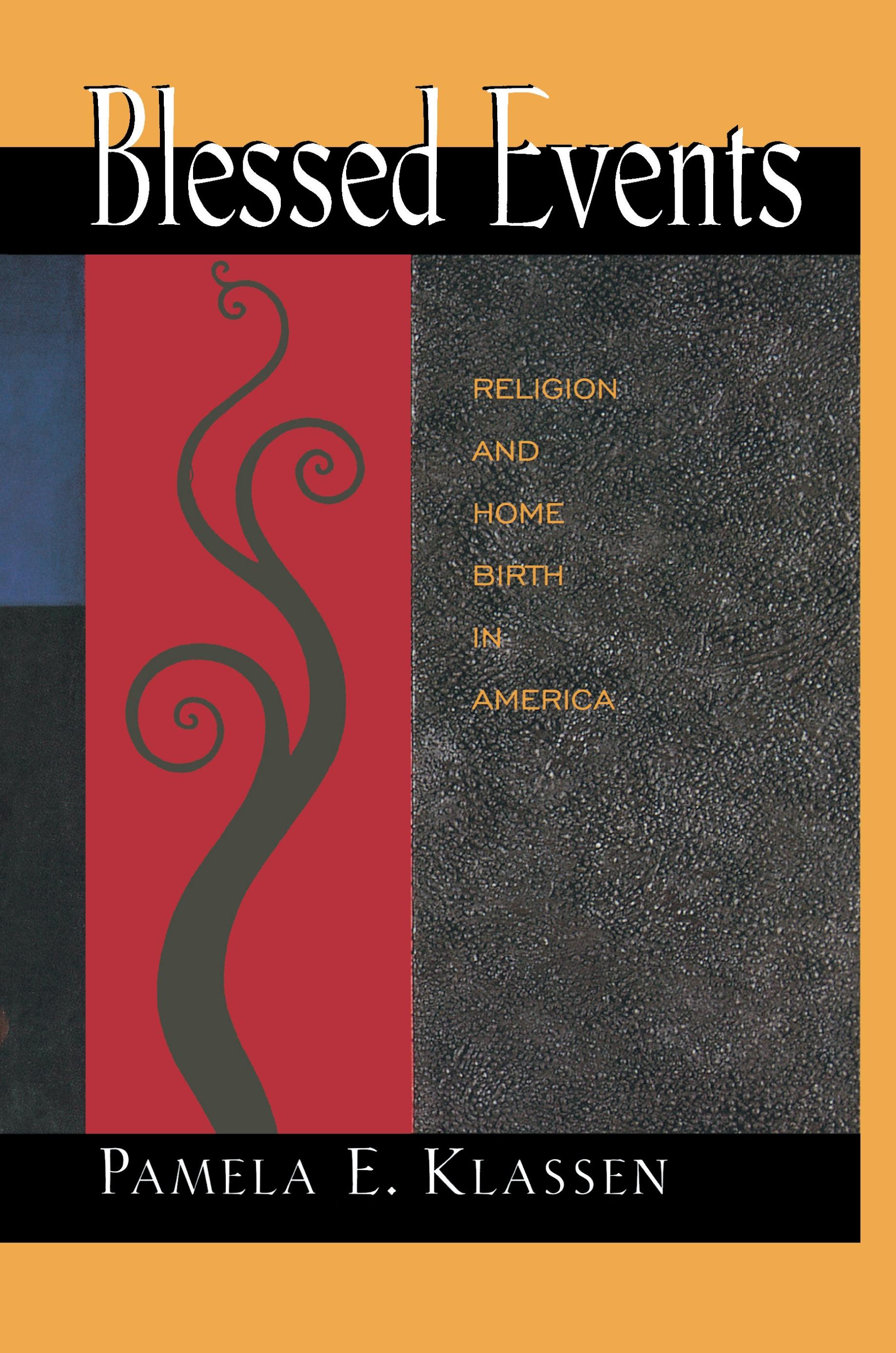
Blessed Events explores how women who give birth at home use religion to make sense of their births and in turn draw on their birthing experiences to bring meaning to their lives and families. Pamela Klassen introduces a surprisingly diverse group of women, in their own words, while also setting their birth stories within wider social, political, and economic contexts. In doing so, she emerges with a study that disrupts conventional views of both childbirth and religion by blurring assumed divisions between conservative and feminist women and by taking childbirth seriously as a religious act.
Most American women who have a choice give birth in a hospital and request pain medication. Yet enough women choose and advocate unmedicated home birth--and do so for carefully articulated reasons, social resistance among them--to constitute a movement. Klassen investigates why women whose religious affiliations range from Old Order Amish to Reform Judaism to goddess-centered spirituality defy majority opinion, the medical establishment, and sometimes the law to have their babies at home. In considering their interpretations--including their critiques of the dominant medical model of childbirth and their views on labor pain--she examines the kinds of agency afforded to or denied women as they derive religious meanings from childbirth. Throughout, she identifies tensions and affinities between feminist and traditionalist appraisals of the symbolic meaning of birth and the power of women.
What does home birth--a woman-centered movement working to return birth to women's control--mean in practice for women's gender and religious identities? Is this supreme valuing of procreation and motherhood constraining, or does it open up new realms of cultural and social power for women? By asking these questions while remaining cognizant of religion's significance, Blessed Events challenges both feminist and traditionalist accounts of childbearing while broadening our understanding of how religion is ''lived'' in contemporary America.
Before Memmo my notes were scattered across PDFs. Now a workspace pulls everything into one place — I see exactly what's still left to study.
Memmo's summaries are gold before exams. I don't have to re-read 800 pages two weeks before — just the important parts.
The AI chat has saved me the night before an exam more than once. I just keep asking until I get it — no waiting on a study group to reply.
The quizzes hit exactly what I need to know. Memmo tracks what I get stuck on — so I only practice what's worth it.
Flashcards with spaced repetition are magic. Memmo knows when I'm about to forget something and brings it back.
The AI podcasts are my favorite. I listen on my way to school and get a recap without sitting at a computer.

Handbok i kvalitativa metoder
281 kr

Hållbar utveckling: en introduktion för ingenjörer och andra problemlösare
334 kr

Brymans Samhällsvetenskapliga metoder
390 kr

Projektledning
491 kr

Den orättvisa hälsan: om socioekonomiska skillnader i hälsa och livslängd
326 kr

Organizational Leadership
429 kr

Vetenskapsteori för nybörjare
196 kr

På väg mot läraryrket
172 kr

Det sociala livet i skolan: Socialpsykologiska perspektiv
253 kr

Betygsättningens didaktik
151 kr

Personality
402 kr

Studying Leadership
404 kr

Managing Innovation
477 kr

Introduktion till samhällsvetenskaplig metod
347 kr

The Psychology of Sex and Gender
698 kr

Evidens och kunskap för socialt arbete
207 kr

Introduction to Leadership
605 kr