
Before Memmo my notes were scattered across PDFs. Now a workspace pulls everything into one place — I see exactly what's still left to study.
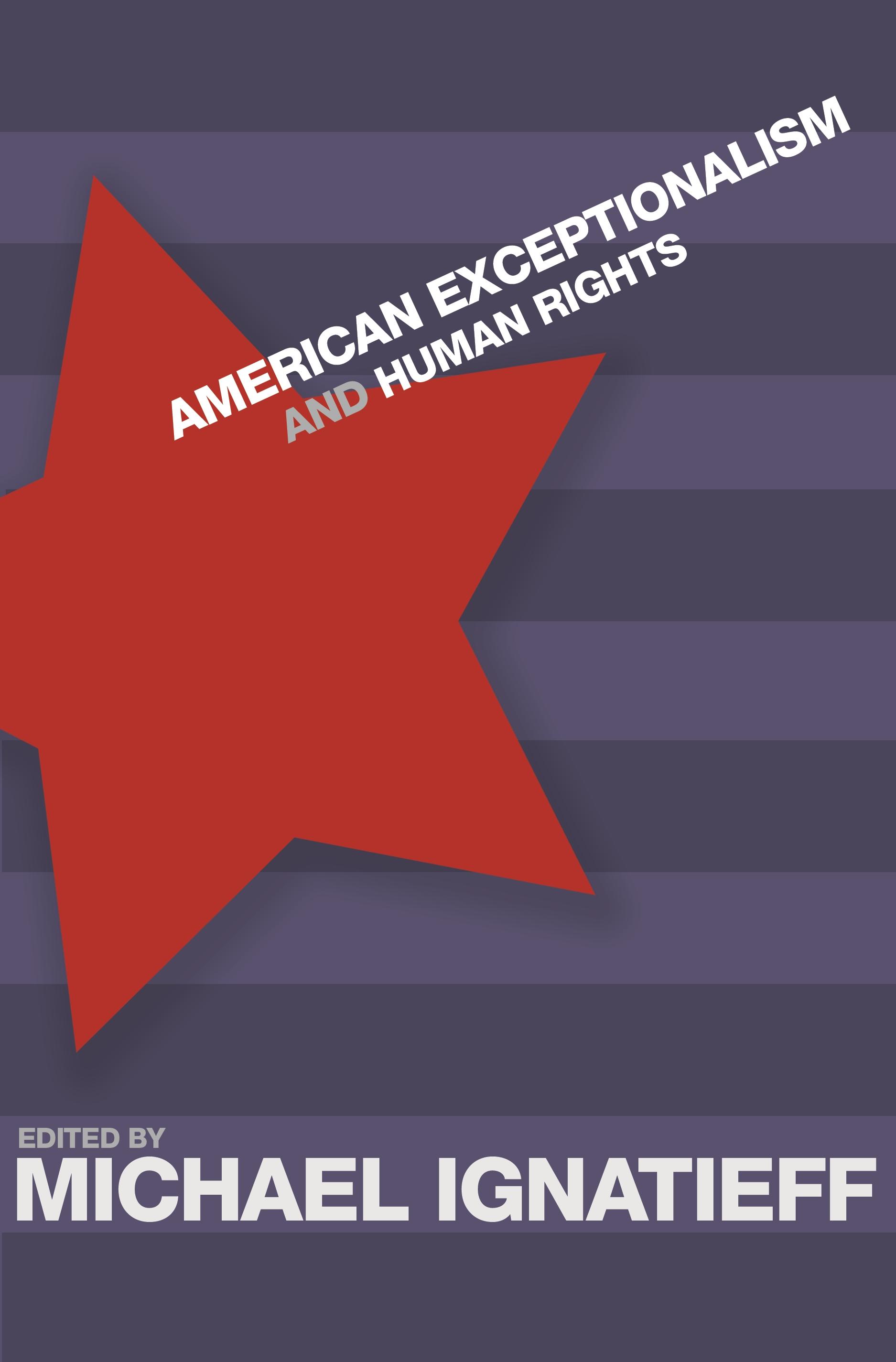
With the 2003 invasion and subsequent occupation of Iraq, the most controversial question in world politics fast became whether the United States stands within the order of international law or outside it. Does America still play by the rules it helped create? American Exceptionalism and Human Rights addresses this question as it applies to U.S. behavior in relation to international human rights. With essays by eleven leading experts in such fields as international relations and international law, it seeks to show and explain how America's approach to human rights differs from that of most other Western nations.
In his introduction, Michael Ignatieff identifies three main types of exceptionalism: exemptionalism (supporting treaties as long as Americans are exempt from them); double standards (criticizing "others for not heeding the findings of international human rights bodies, but ignoring what these bodies say of the United States); and legal isolationism (the tendency of American judges to ignore other jurisdictions). The contributors use Ignatieff's essay as a jumping-off point to discuss specific types of exceptionalism--America's approach to capital punishment and to free speech, for example--or to explore the social, cultural, and institutional roots of exceptionalism.
These essays--most of which appear in print here for the first time, and all of which have been revised or updated since being presented in a year-long lecture series on American exceptionalism at Harvard University's John F. Kennedy School of Government--are by Stanley Hoffmann, Paul Kahn, Harold Koh, Frank Michelman, Andrew Moravcsik, John Ruggie, Frederick Schauer, Anne-Marie Slaughter, Carol Steiker, and Cass Sunstein.
Before Memmo my notes were scattered across PDFs. Now a workspace pulls everything into one place — I see exactly what's still left to study.
Memmo's summaries are gold before exams. I don't have to re-read 800 pages two weeks before — just the important parts.
The AI chat has saved me the night before an exam more than once. I just keep asking until I get it — no waiting on a study group to reply.
The quizzes hit exactly what I need to know. Memmo tracks what I get stuck on — so I only practice what's worth it.
Flashcards with spaced repetition are magic. Memmo knows when I'm about to forget something and brings it back.
The AI podcasts are my favorite. I listen on my way to school and get a recap without sitting at a computer.

Handbok i kvalitativa metoder
281 kr

Hållbar utveckling: en introduktion för ingenjörer och andra problemlösare
334 kr

Brymans Samhällsvetenskapliga metoder
390 kr

Projektledning
491 kr

Den orättvisa hälsan: om socioekonomiska skillnader i hälsa och livslängd
326 kr

Vetenskapsteori för nybörjare
196 kr

Organizational Leadership
429 kr

På väg mot läraryrket
172 kr

Det sociala livet i skolan: Socialpsykologiska perspektiv
253 kr

Betygsättningens didaktik
151 kr

Personality
402 kr

Studying Leadership
404 kr

Managing Innovation
477 kr

Introduktion till samhällsvetenskaplig metod
347 kr

The Psychology of Sex and Gender
698 kr

Evidens och kunskap för socialt arbete
207 kr

Introduction to Leadership
605 kr