
Before Memmo my notes were scattered across PDFs. Now a workspace pulls everything into one place — I see exactly what's still left to study.
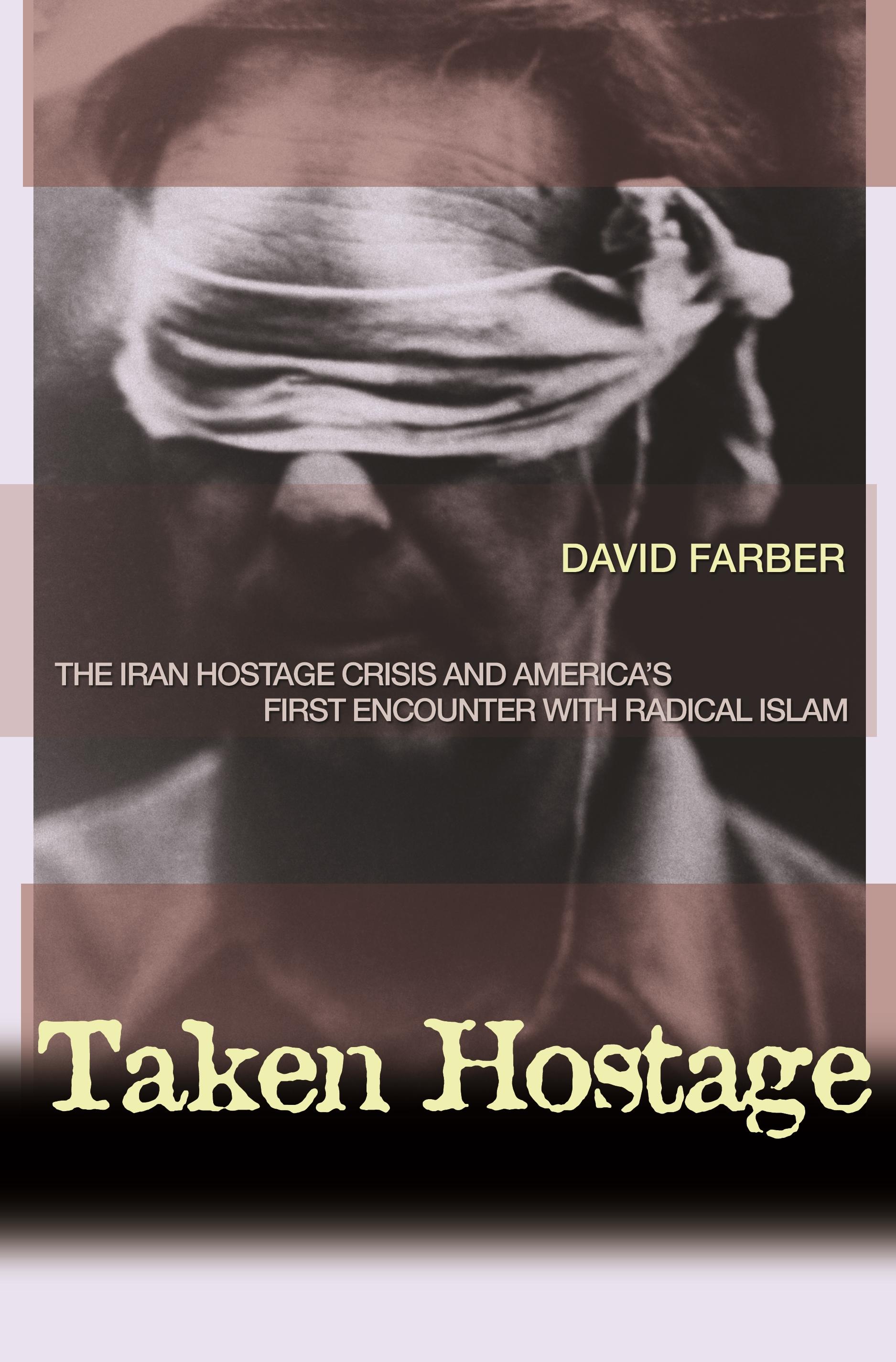
On November 4, 1979, Iranian militants stormed the United States Embassy in Tehran and took sixty-six Americans captive. Thus began the Iran Hostage Crisis, an affair that captivated the American public for 444 days and marked America's first confrontation with the forces of radical Islam. Using hundreds of recently declassified government documents, historian David Farber takes the first in-depth look at the hostage crisis, examining its lessons for America's contemporary War on Terrorism.
Unlike other histories of the subject, Farber's vivid and fast-paced narrative looks beyond the day-to-day circumstances of the crisis, using the events leading up to the ordeal as a means for understanding it. The book paints a portrait of the 1970s in the United States as an era of failed expectations in a nation plagued by uncertainty and anxiety. It reveals an American government ill prepared for the fall of the Shah of Iran and unable to reckon with the Ayatollah Khomeini and his militant Islamic followers.
Farber's account is filled with fresh insights regarding the central players in the crisis: Khomeini emerges as an astute strategist, single-mindedly dedicated to creating an Islamic state. The Americans' student-captors appear as less-than-organized youths, having prepared for only a symbolic sit-in with just a three-day supply of food. ABC news chief Roone Arledge, newly installed and eager for ratings, is cited as a critical catalyst in elevating the hostages to cause célèbre status.
Throughout the book there emerge eerie parallels to the current terrorism crisis. Then as now, Farber demonstrates, politicians failed to grasp the depth of anger that Islamic fundamentalists harbored toward the United States, and Americans dismissed threats from terrorist groups as the crusades of ineffectual madmen.
Taken Hostage is a timely and revealing history of America's first engagement with terrorism and Islamic fundamentalism, one that provides a chilling reminder that the past is only prologue.
Before Memmo my notes were scattered across PDFs. Now a workspace pulls everything into one place — I see exactly what's still left to study.
Memmo's summaries are gold before exams. I don't have to re-read 800 pages two weeks before — just the important parts.
The AI chat has saved me the night before an exam more than once. I just keep asking until I get it — no waiting on a study group to reply.
The quizzes hit exactly what I need to know. Memmo tracks what I get stuck on — so I only practice what's worth it.
Flashcards with spaced repetition are magic. Memmo knows when I'm about to forget something and brings it back.
The AI podcasts are my favorite. I listen on my way to school and get a recap without sitting at a computer.

Handbok i kvalitativa metoder
281 kr

Hållbar utveckling: en introduktion för ingenjörer och andra problemlösare
334 kr

Brymans Samhällsvetenskapliga metoder
390 kr

Projektledning
491 kr

Den orättvisa hälsan: om socioekonomiska skillnader i hälsa och livslängd
326 kr

Vetenskapsteori för nybörjare
196 kr

Organizational Leadership
429 kr

På väg mot läraryrket
172 kr

Det sociala livet i skolan: Socialpsykologiska perspektiv
253 kr

Betygsättningens didaktik
151 kr

Personality
402 kr

Studying Leadership
404 kr

Managing Innovation
477 kr

Introduktion till samhällsvetenskaplig metod
347 kr

The Psychology of Sex and Gender
698 kr

Evidens och kunskap för socialt arbete
207 kr

Introduction to Leadership
605 kr