
Before Memmo my notes were scattered across PDFs. Now a workspace pulls everything into one place — I see exactly what's still left to study.
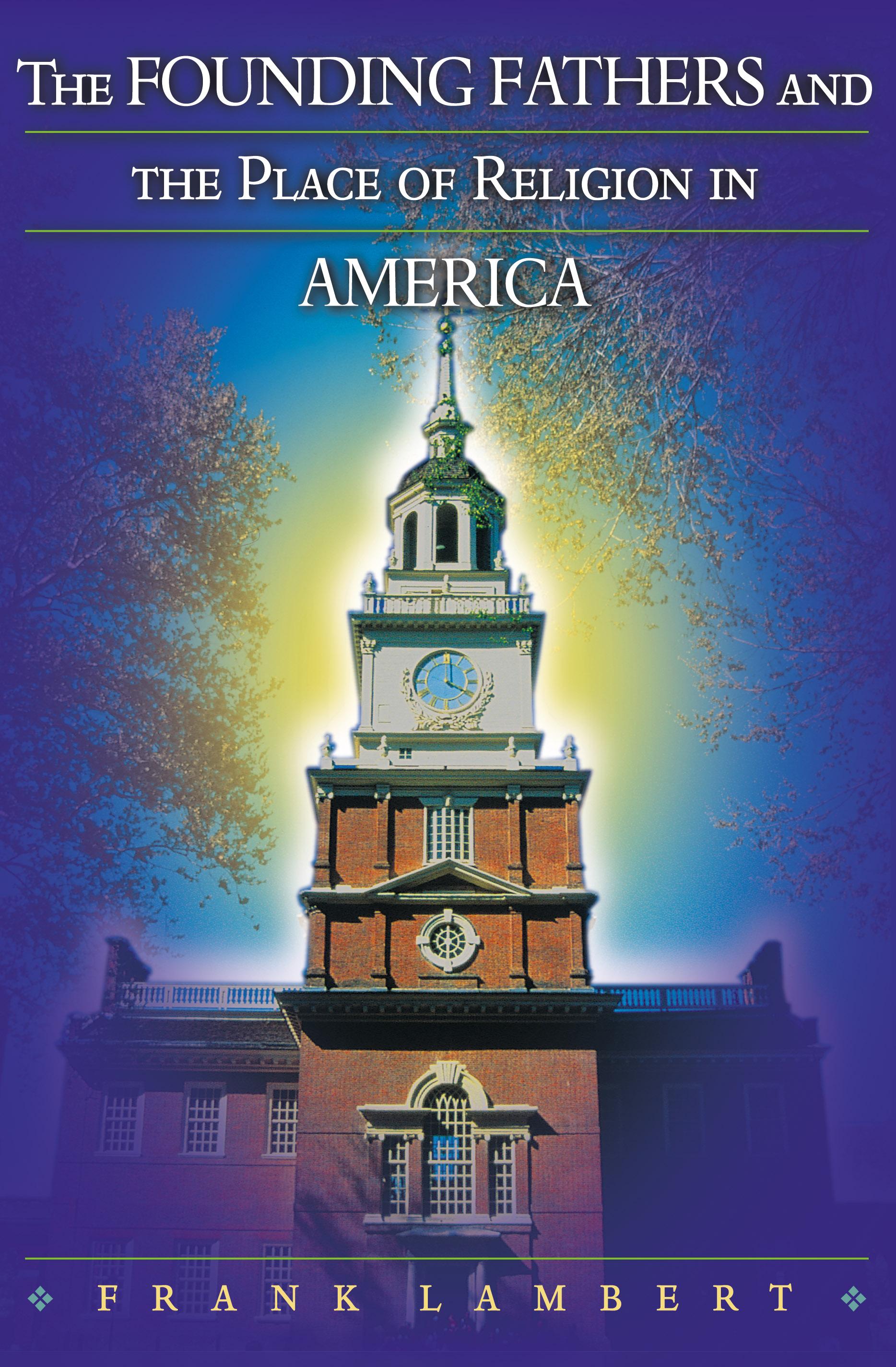
How did the United States, founded as colonies with explicitly religious aspirations, come to be the first modern state whose commitment to the separation of church and state was reflected in its constitution? Frank Lambert explains why this happened, offering in the process a synthesis of American history from the first British arrivals through Thomas Jefferson's controversial presidency.
Lambert recognizes that two sets of spiritual fathers defined the place of religion in early America: what Lambert calls the Planting Fathers, who brought Old World ideas and dreams of building a "City upon a Hill," and the Founding Fathers, who determined the constitutional arrangement of religion in the new republic. While the former proselytized the "one true faith," the latter emphasized religious freedom over religious purity.
Lambert locates this shift in the mid-eighteenth century. In the wake of evangelical revival, immigration by new dissenters, and population expansion, there emerged a marketplace of religion characterized by sectarian competition, pluralism, and widened choice. During the American Revolution, dissenters found sympathetic lawmakers who favored separating church and state, and the free marketplace of religion gained legal status as the Founders began the daunting task of uniting thirteen disparate colonies. To avoid discord in an increasingly pluralistic and contentious society, the Founders left the religious arena free of government intervention save for the guarantee of free exercise for all. Religious people and groups were also free to seek political influence, ensuring that religion's place in America would always be a contested one, but never a state-regulated one.
An engaging and highly readable account of early American history, this book shows how religious freedom came to be recognized not merely as toleration of dissent but as a natural right to be enjoyed by all Americans.
Before Memmo my notes were scattered across PDFs. Now a workspace pulls everything into one place — I see exactly what's still left to study.
Memmo's summaries are gold before exams. I don't have to re-read 800 pages two weeks before — just the important parts.
The AI chat has saved me the night before an exam more than once. I just keep asking until I get it — no waiting on a study group to reply.
The quizzes hit exactly what I need to know. Memmo tracks what I get stuck on — so I only practice what's worth it.
Flashcards with spaced repetition are magic. Memmo knows when I'm about to forget something and brings it back.
The AI podcasts are my favorite. I listen on my way to school and get a recap without sitting at a computer.

Handbok i kvalitativa metoder
281 kr

Hållbar utveckling: en introduktion för ingenjörer och andra problemlösare
334 kr

Brymans Samhällsvetenskapliga metoder
390 kr

Projektledning
491 kr

Den orättvisa hälsan: om socioekonomiska skillnader i hälsa och livslängd
326 kr

Vetenskapsteori för nybörjare
196 kr

Organizational Leadership
429 kr

På väg mot läraryrket
172 kr

Det sociala livet i skolan: Socialpsykologiska perspektiv
253 kr

Betygsättningens didaktik
151 kr

Personality
402 kr

Studying Leadership
404 kr

Managing Innovation
477 kr

Introduktion till samhällsvetenskaplig metod
347 kr

The Psychology of Sex and Gender
698 kr

Evidens och kunskap för socialt arbete
207 kr

Introduction to Leadership
605 kr