
Before Memmo my notes were scattered across PDFs. Now a workspace pulls everything into one place — I see exactly what's still left to study.
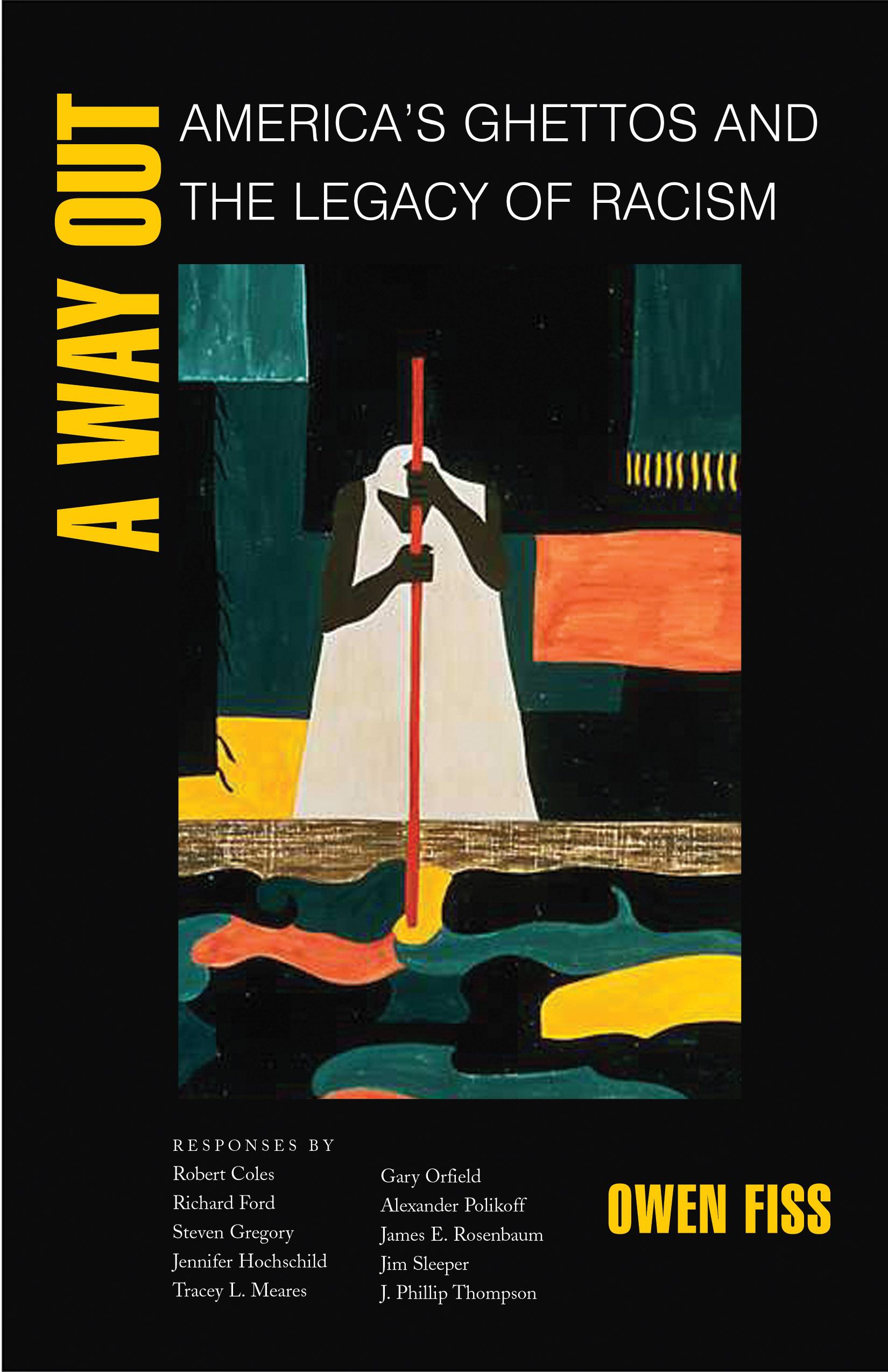
After decades of hand-wringing and well-intentioned efforts to improve inner cities, ghettos remain places of degrading poverty with few jobs, much crime, failing schools, and dilapidated housing. Stepping around fruitless arguments over whether or not ghettos are dysfunctional communities that exacerbate poverty, and beyond modest proposals to ameliorate their problems, one of America's leading experts on civil rights gives us a stunning but commonsensical solution: give residents the means to leave.
Inner cities, writes Owen Fiss, are structures of subordination. The only way to end the poverty they transmit across generations is to help people move out of them--and into neighborhoods with higher employment rates and decent schools. Based on programs tried successfully in Chicago and elsewhere, Fiss's proposal is for a provocative national policy initiative that would give inner-city residents rent vouchers so they can move to better neighborhoods. This would end at last the informal segregation, by race and income, of our metropolitan regions. Given the government's role in creating and maintaining segregation, Fiss argues, justice demands no less than such sweeping federal action.
To sample the heated controversy that Fiss's ideas will ignite, the book includes ten responses from scholars, journalists, and practicing lawyers. Some endorse Fiss's proposal in general terms but take issue with particulars. Others concur with his diagnosis of the problem but argue that his policy response is wrongheaded. Still others accuse Fiss of underestimating the internal strength of inner-city communities as well as the hostility of white suburbs.
Fiss's bold views should set off a debate that will help shape urban social policy into the foreseeable future. It is indispensable reading for anyone interested in social justice, domestic policy, or the fate of our cities.
Before Memmo my notes were scattered across PDFs. Now a workspace pulls everything into one place — I see exactly what's still left to study.
Memmo's summaries are gold before exams. I don't have to re-read 800 pages two weeks before — just the important parts.
The AI chat has saved me the night before an exam more than once. I just keep asking until I get it — no waiting on a study group to reply.
The quizzes hit exactly what I need to know. Memmo tracks what I get stuck on — so I only practice what's worth it.
Flashcards with spaced repetition are magic. Memmo knows when I'm about to forget something and brings it back.
The AI podcasts are my favorite. I listen on my way to school and get a recap without sitting at a computer.

Handbok i kvalitativa metoder
281 kr

Hållbar utveckling: en introduktion för ingenjörer och andra problemlösare
334 kr

Brymans Samhällsvetenskapliga metoder
390 kr

Projektledning
491 kr

Den orättvisa hälsan: om socioekonomiska skillnader i hälsa och livslängd
326 kr

Vetenskapsteori för nybörjare
196 kr

Organizational Leadership
429 kr

På väg mot läraryrket
172 kr

Det sociala livet i skolan: Socialpsykologiska perspektiv
253 kr

Betygsättningens didaktik
151 kr

Personality
402 kr

Studying Leadership
404 kr

Managing Innovation
477 kr

Introduktion till samhällsvetenskaplig metod
347 kr

The Psychology of Sex and Gender
698 kr

Evidens och kunskap för socialt arbete
207 kr

Introduction to Leadership
605 kr