
Before Memmo my notes were scattered across PDFs. Now a workspace pulls everything into one place — I see exactly what's still left to study.
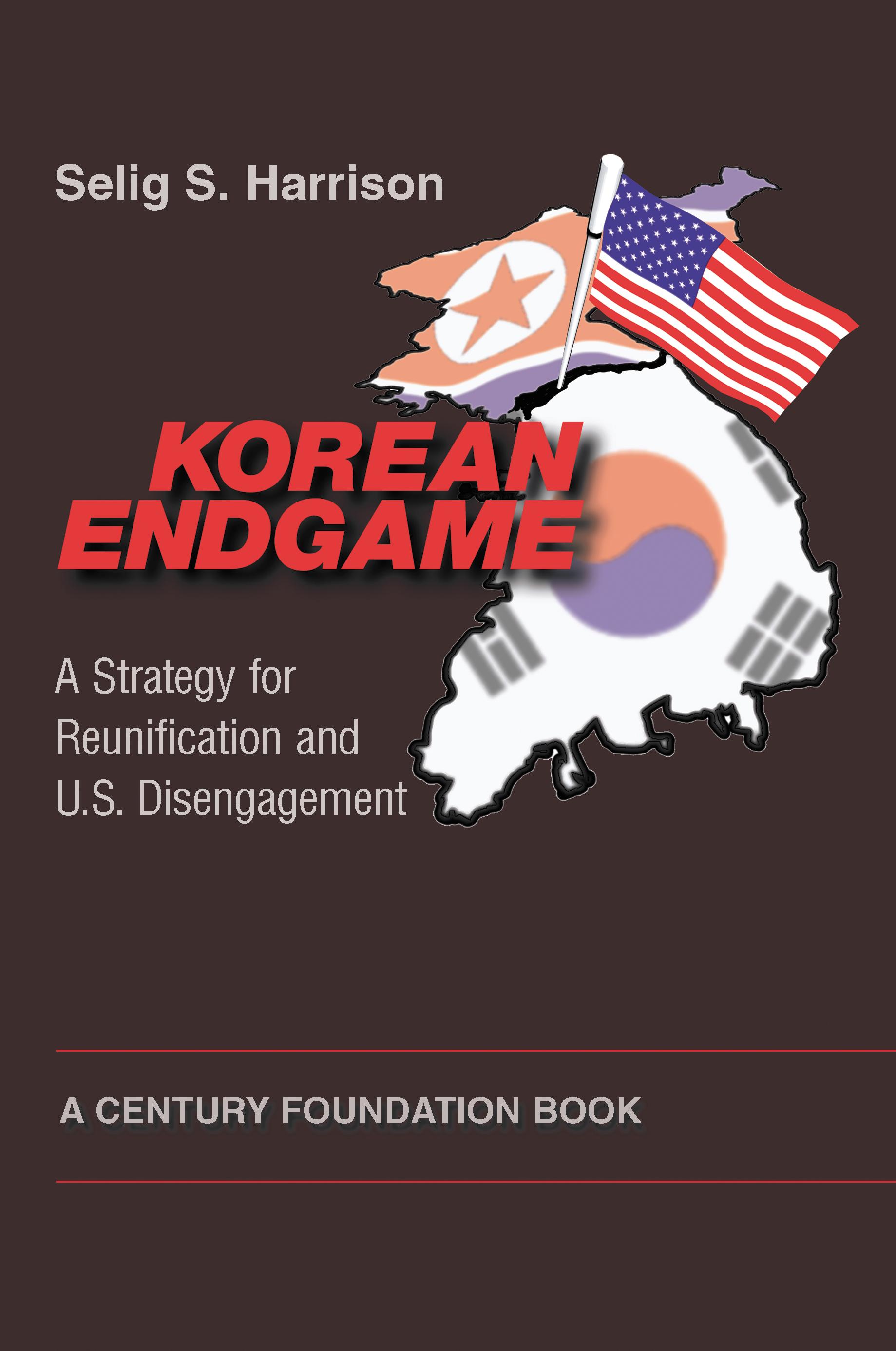
Nearly half a century after the fighting stopped, the 1953 Armistice has yet to be replaced with a peace treaty formally ending the Korean War. While Russia and China withdrew the last of their forces in 1958, the United States maintains 37,000 troops in South Korea and is pledged to defend it with nuclear weapons. In Korean Endgame, Selig Harrison mounts the first authoritative challenge to this long-standing U.S. policy.
Harrison shows why North Korea is not--as many policymakers expect--about to collapse. And he explains why existing U.S. policies hamper North-South reconciliation and reunification. Assessing North Korean capabilities and the motivations that have led to its forward deployments, he spells out the arms control concessions by North Korea, South Korea, and the United States necessary to ease the dangers of confrontation, centering on reciprocal U.S. force redeployments and U.S. withdrawals in return for North Korean pullbacks from the thirty-eighth parallel.
Similarly, he proposes specific trade-offs to forestall the North's development of nuclear weapons and missile delivery systems, calling for the withdrawal of the U.S. nuclear umbrella in conjunction with agreements to denuclearize Korea embracing China, Russia, and Japan. The long-term goal of U.S. policy, he argues, should be the full disengagement of U.S. combat forces from Korea as part of regional agreements insulating the peninsula from all foreign conventional and nuclear forces.
A veteran journalist with decades of extensive firsthand knowledge of North Korea and long-standing contacts with leaders in Washington, Seoul, and Pyongyang, Harrison is perfectly placed to make these arguments. Throughout, he supports his analysis with revealing accounts of conversations with North Korean, South Korean, and U.S. leaders over thirty-five years. Combining probing scholarship with a seasoned reporter's on-the-ground experience and insights, he has given us the definitive book on U.S. policy in Korea--past, present, and future.
Before Memmo my notes were scattered across PDFs. Now a workspace pulls everything into one place — I see exactly what's still left to study.
Memmo's summaries are gold before exams. I don't have to re-read 800 pages two weeks before — just the important parts.
The AI chat has saved me the night before an exam more than once. I just keep asking until I get it — no waiting on a study group to reply.
The quizzes hit exactly what I need to know. Memmo tracks what I get stuck on — so I only practice what's worth it.
Flashcards with spaced repetition are magic. Memmo knows when I'm about to forget something and brings it back.
The AI podcasts are my favorite. I listen on my way to school and get a recap without sitting at a computer.

Handbok i kvalitativa metoder
281 kr

Hållbar utveckling: en introduktion för ingenjörer och andra problemlösare
334 kr

Brymans Samhällsvetenskapliga metoder
390 kr

Projektledning
491 kr

Den orättvisa hälsan: om socioekonomiska skillnader i hälsa och livslängd
326 kr

Organizational Leadership
429 kr

Vetenskapsteori för nybörjare
196 kr

På väg mot läraryrket
172 kr

Det sociala livet i skolan: Socialpsykologiska perspektiv
253 kr

Betygsättningens didaktik
151 kr

Personality
402 kr

Studying Leadership
404 kr

Managing Innovation
477 kr

Introduktion till samhällsvetenskaplig metod
347 kr

The Psychology of Sex and Gender
698 kr

Evidens och kunskap för socialt arbete
207 kr

Introduction to Leadership
605 kr