
Before Memmo my notes were scattered across PDFs. Now a workspace pulls everything into one place — I see exactly what's still left to study.
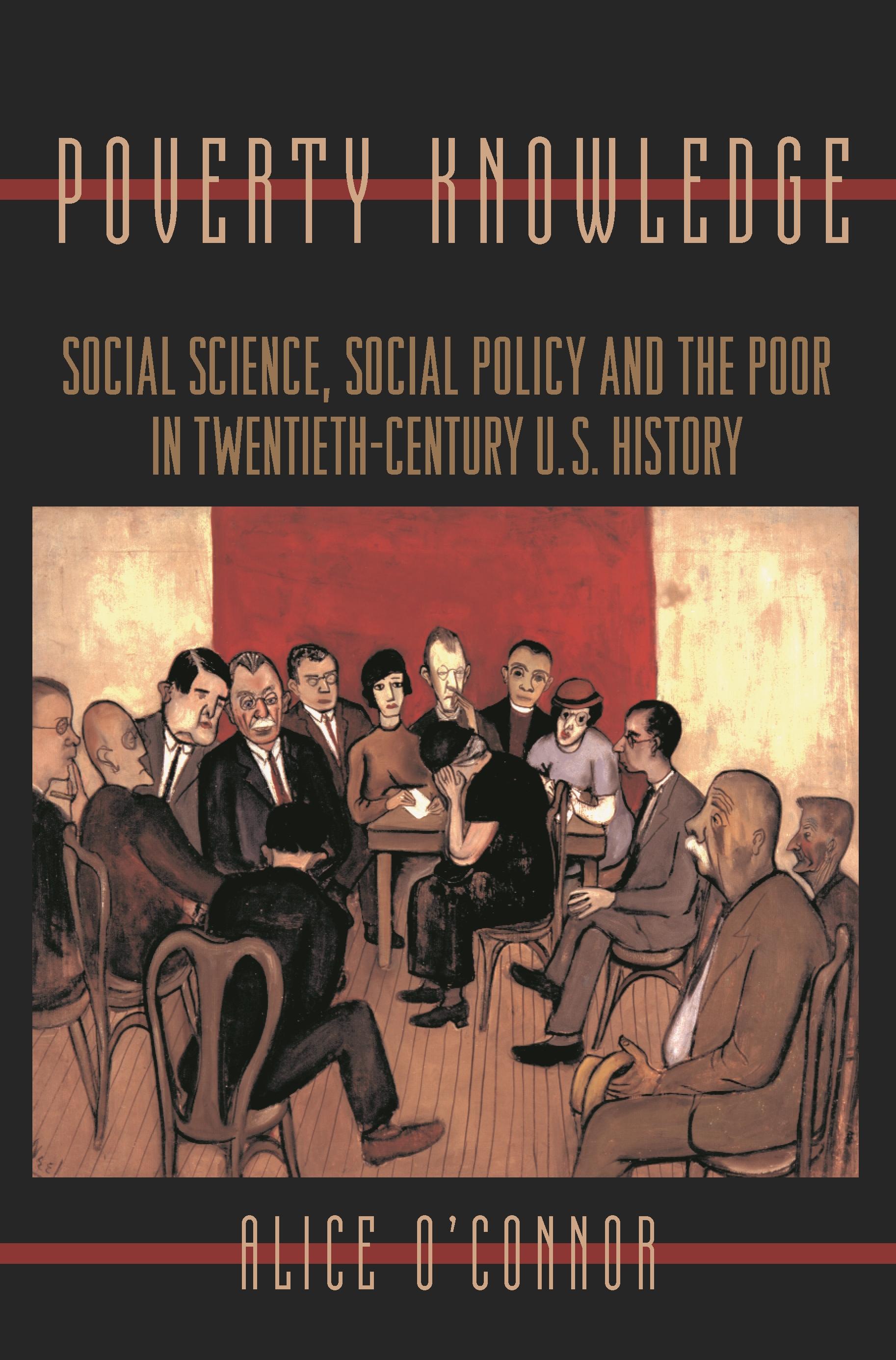
Progressive-era "poverty warriors" cast poverty in America as a problem of unemployment, low wages, labor exploitation, and political disfranchisement. In the 1990s, policy specialists made "dependency" the issue and crafted incentives to get people off welfare. Poverty Knowledge gives the first comprehensive historical account of the thinking behind these very different views of "the poverty problem," in a century-spanning inquiry into the politics, institutions, ideologies, and social science that shaped poverty research and policy.
Alice O'Connor chronicles a transformation in the study of poverty, from a reform-minded inquiry into the political economy of industrial capitalism to a detached, highly technical analysis of the demographic and behavioral characteristics of the poor. Along the way, she uncovers the origins of several controversial concepts, including the "culture of poverty" and the "underclass." She shows how such notions emerged not only from trends within the social sciences, but from the central preoccupations of twentieth-century American liberalism: economic growth, the Cold War against communism, the changing fortunes of the welfare state, and the enduring racial divide.
The book details important changes in the politics and organization as well as the substance of poverty knowledge. Tracing the genesis of a still-thriving poverty research industry from its roots in the War on Poverty, it demonstrates how research agendas were subsequently influenced by an emerging obsession with welfare reform. Over the course of the twentieth century, O'Connor shows, the study of poverty became more about altering individual behavior and less about addressing structural inequality. The consequences of this steady narrowing of focus came to the fore in the 1990s, when the nation's leading poverty experts helped to end "welfare as we know it." O'Connor shows just how far they had traveled from their field's original aims.
Before Memmo my notes were scattered across PDFs. Now a workspace pulls everything into one place — I see exactly what's still left to study.
Memmo's summaries are gold before exams. I don't have to re-read 800 pages two weeks before — just the important parts.
The AI chat has saved me the night before an exam more than once. I just keep asking until I get it — no waiting on a study group to reply.
The quizzes hit exactly what I need to know. Memmo tracks what I get stuck on — so I only practice what's worth it.
Flashcards with spaced repetition are magic. Memmo knows when I'm about to forget something and brings it back.
The AI podcasts are my favorite. I listen on my way to school and get a recap without sitting at a computer.

Handbok i kvalitativa metoder
281 kr

Hållbar utveckling: en introduktion för ingenjörer och andra problemlösare
334 kr

Brymans Samhällsvetenskapliga metoder
390 kr

Projektledning
491 kr

Den orättvisa hälsan: om socioekonomiska skillnader i hälsa och livslängd
326 kr

Organizational Leadership
429 kr

Vetenskapsteori för nybörjare
196 kr

På väg mot läraryrket
172 kr

Det sociala livet i skolan: Socialpsykologiska perspektiv
253 kr

Betygsättningens didaktik
151 kr

Personality
402 kr

Studying Leadership
404 kr

Managing Innovation
477 kr

Introduktion till samhällsvetenskaplig metod
347 kr

The Psychology of Sex and Gender
698 kr

Evidens och kunskap för socialt arbete
207 kr

Introduction to Leadership
605 kr