
Before Memmo my notes were scattered across PDFs. Now a workspace pulls everything into one place — I see exactly what's still left to study.
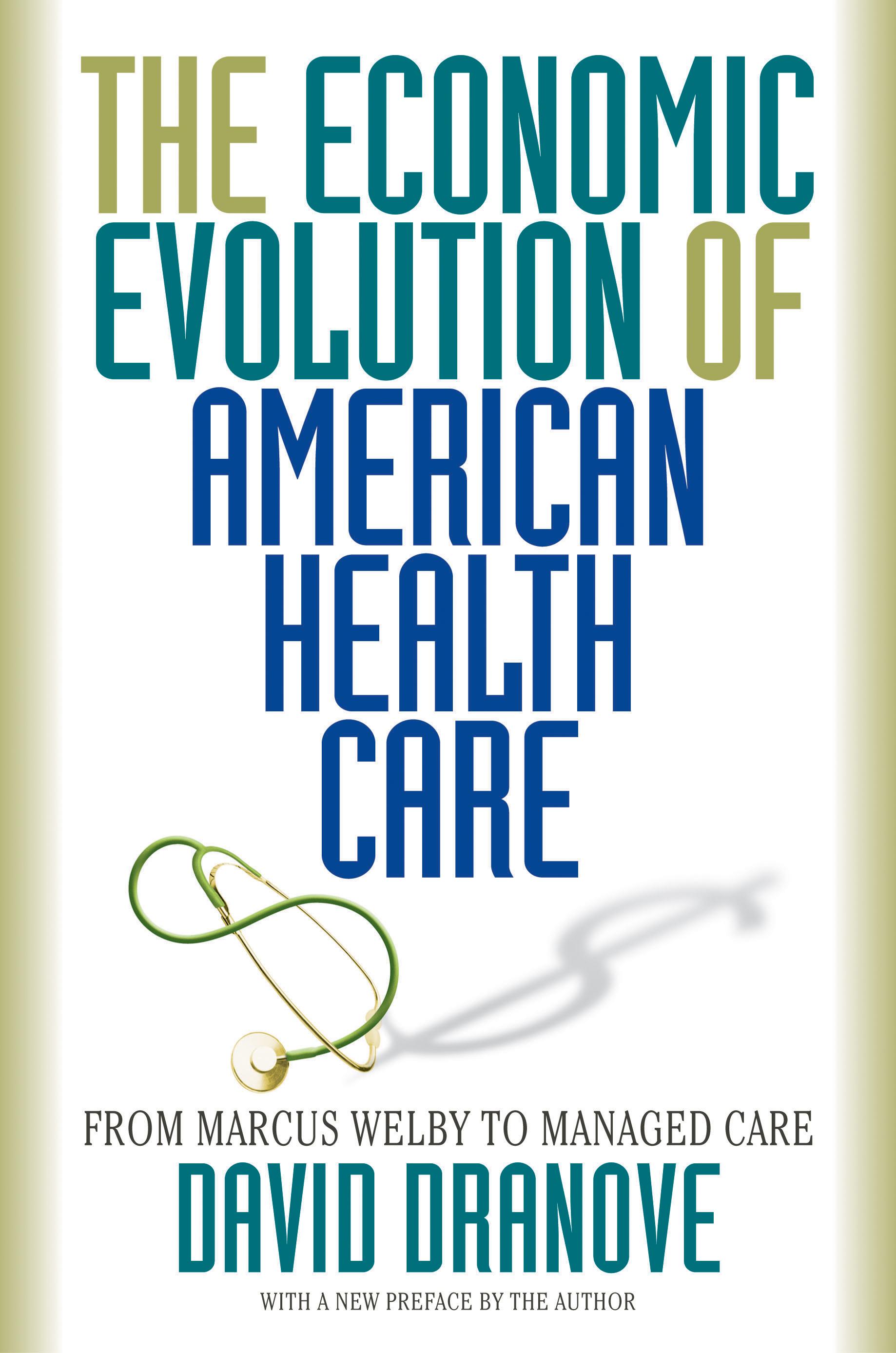
The American health care industry has undergone such dizzying transformations since the 1960s that many patients have lost confidence in a system they find too impersonal and ineffectual. Is their distrust justified and can confidence be restored? David Dranove, a leading health care economist, tackles these and other key questions in the first major economic and historical investigation of the field. Focusing on the doctor-patient relationship, he begins with the era of the independently practicing physician--epitomized by Marcus Welby, the beloved father figure/doctor in the 1960s television show of the same name--who disappeared with the growth of managed care. Dranove guides consumers in understanding the rapid developments of the health care industry and offers timely policy recommendations for reforming managed care as well as advice for patients making health care decisions.
The book covers everything from start-up troubles with the first managed care organizations to attempts at government regulation to the mergers and quality control issues facing MCOs today. It also reflects on how difficult it is for patients to shop for medical care. Up until the 1970s, patients looked to autonomous physicians for recommendations on procedures and hospitals--a process that relied more on the patient's trust of the physician than on facts, and resulted in skyrocketing medical costs. Newly emerging MCOs have tried to solve the shopping problem by tracking the performance of care providers while obtaining discounts for their clients.
Many observers accuse MCOs of caring more about cost than quality, and argue for government regulation. Dranove, however, believes that market forces can eventually achieve quality care and cost control. But first, MCOs must improve their ways of measuring provider performance, medical records must be made more complete and accessible (a task that need not compromise patient confidentiality), and patients must be willing to seek and act on information about the best care available. Dranove argues that patients can regain confidence in the medical system, and even come to trust MCOs, but they will need to rely on both their individual doctors and their own consumer awareness.
Before Memmo my notes were scattered across PDFs. Now a workspace pulls everything into one place — I see exactly what's still left to study.
Memmo's summaries are gold before exams. I don't have to re-read 800 pages two weeks before — just the important parts.
The AI chat has saved me the night before an exam more than once. I just keep asking until I get it — no waiting on a study group to reply.
The quizzes hit exactly what I need to know. Memmo tracks what I get stuck on — so I only practice what's worth it.
Flashcards with spaced repetition are magic. Memmo knows when I'm about to forget something and brings it back.
The AI podcasts are my favorite. I listen on my way to school and get a recap without sitting at a computer.

Handbok i kvalitativa metoder
281 kr

Hållbar utveckling: en introduktion för ingenjörer och andra problemlösare
334 kr

Brymans Samhällsvetenskapliga metoder
390 kr

Projektledning
491 kr

Den orättvisa hälsan: om socioekonomiska skillnader i hälsa och livslängd
326 kr

Vetenskapsteori för nybörjare
196 kr

Organizational Leadership
429 kr

På väg mot läraryrket
172 kr

Det sociala livet i skolan: Socialpsykologiska perspektiv
253 kr

Betygsättningens didaktik
151 kr

Personality
402 kr

Studying Leadership
404 kr

Managing Innovation
477 kr

Introduktion till samhällsvetenskaplig metod
347 kr

The Psychology of Sex and Gender
698 kr

Evidens och kunskap för socialt arbete
207 kr

Introduction to Leadership
605 kr