
Before Memmo my notes were scattered across PDFs. Now a workspace pulls everything into one place — I see exactly what's still left to study.
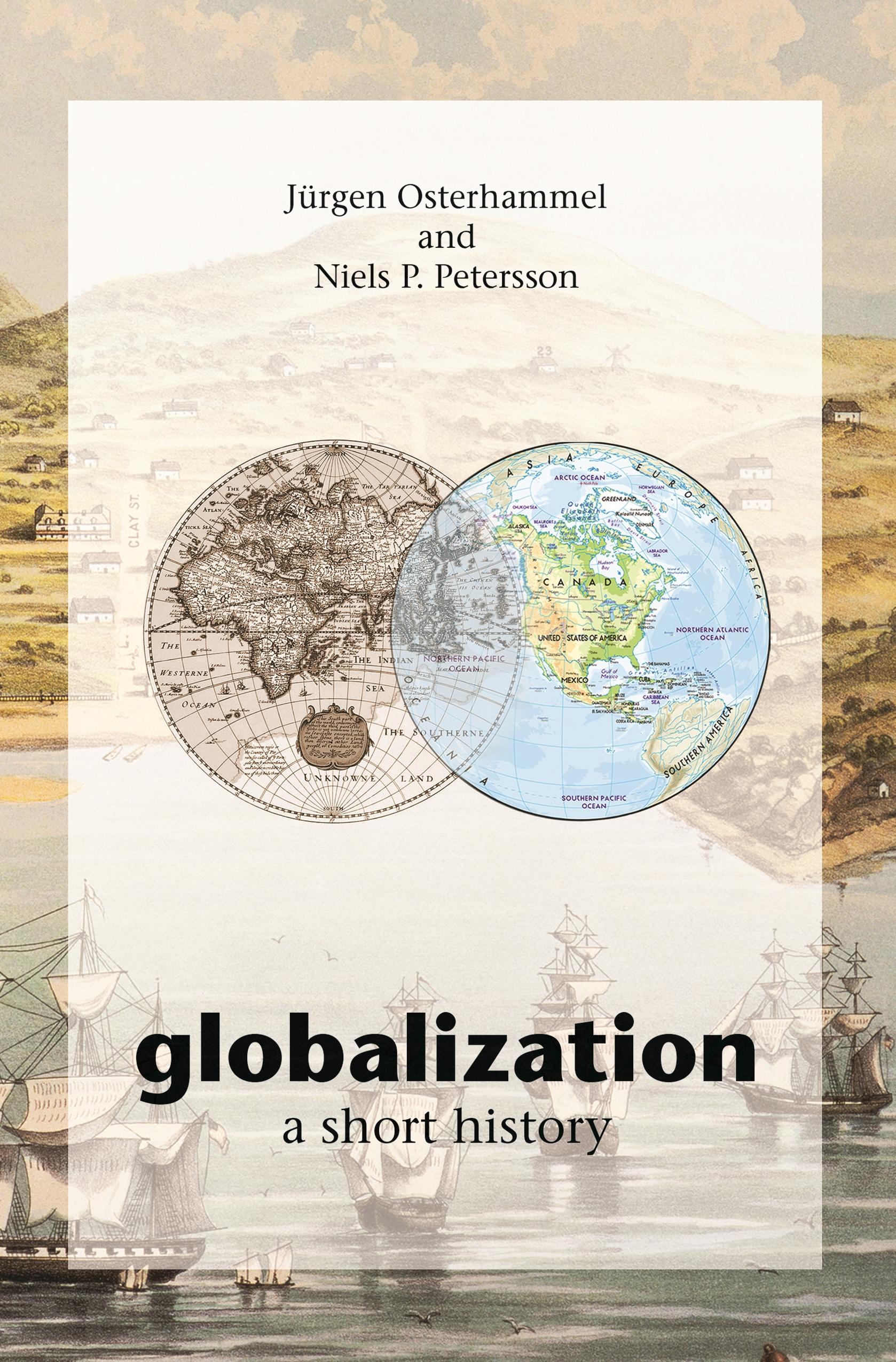
"Globalization" has become a popular buzzword for explaining today's world. The expression achieved terminological stardom in the 1990s and was soon embraced by the general public and integrated into numerous languages.
But is this much-discussed phenomenon really an invention of modern times? In this work, Jürgen Osterhammel and Niels Petersson make the case that globalization is not so new, after all. Arguing that the world did not turn "global" overnight, the book traces the emergence of globalization over the past seven or eight centuries. In fact, the authors write, the phenomenon can be traced back to early modern large-scale trading, for example, the silk trade between China and the Mediterranean region, the shipping routes between the Arabian Peninsula and India, and the more frequently traveled caravan routes of the Near East and North Africa--all conduits for people, goods, coins, artwork, and ideas.
Osterhammel and Petersson argue that the period from 1750 to 1880--an era characterized by the development of free trade and the long-distance impact of the industrial revolution--represented an important phase in the globalization phenomenon. Moreover, they demonstrate how globalization in the mid-twentieth century opened up the prospect of global destruction though nuclear war and ecological catastrophe. In the end, the authors write, today's globalization is part of a long-running transformation and has not ushered in a "global age" radically different from anything that came before.
This book will appeal to historians, economists, and anyone in the social sciences who is interested in the historical emergence of globalization.
Before Memmo my notes were scattered across PDFs. Now a workspace pulls everything into one place — I see exactly what's still left to study.
Memmo's summaries are gold before exams. I don't have to re-read 800 pages two weeks before — just the important parts.
The AI chat has saved me the night before an exam more than once. I just keep asking until I get it — no waiting on a study group to reply.
The quizzes hit exactly what I need to know. Memmo tracks what I get stuck on — so I only practice what's worth it.
Flashcards with spaced repetition are magic. Memmo knows when I'm about to forget something and brings it back.
The AI podcasts are my favorite. I listen on my way to school and get a recap without sitting at a computer.

Handbok i kvalitativa metoder
281 kr

Hållbar utveckling: en introduktion för ingenjörer och andra problemlösare
334 kr

Brymans Samhällsvetenskapliga metoder
390 kr

Projektledning
491 kr

Den orättvisa hälsan: om socioekonomiska skillnader i hälsa och livslängd
326 kr

Organizational Leadership
429 kr

Vetenskapsteori för nybörjare
196 kr

På väg mot läraryrket
172 kr

Det sociala livet i skolan: Socialpsykologiska perspektiv
253 kr

Betygsättningens didaktik
151 kr

Personality
402 kr

Studying Leadership
404 kr

Managing Innovation
477 kr

Introduktion till samhällsvetenskaplig metod
347 kr

The Psychology of Sex and Gender
698 kr

Evidens och kunskap för socialt arbete
207 kr

Introduction to Leadership
605 kr