
Before Memmo my notes were scattered across PDFs. Now a workspace pulls everything into one place — I see exactly what's still left to study.
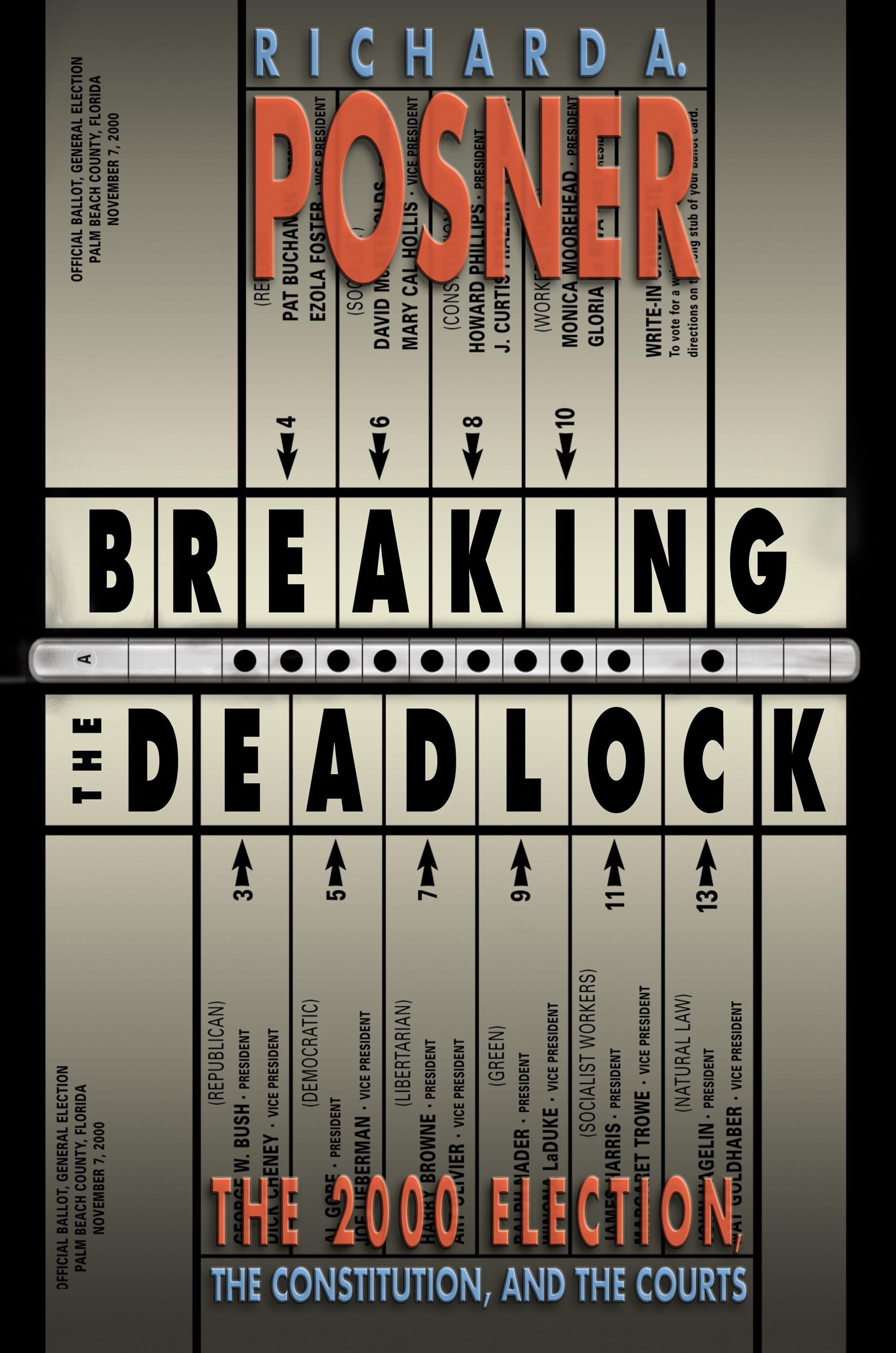
The 2000 Presidential election ended in a collision of history, law, and the courts. It produced a deadlock that dragged out the result for over a month, and consequences--real and imagined--that promise to drag on for years. In the first in-depth study of the election and its litigious aftermath, Judge Posner surveys the history and theory of American electoral law and practice, analyzes which Presidential candidate ''really'' won the popular vote in Florida, surveys the litigation that ensued, evaluates the courts, the lawyers, and the commentators, and ends with a blueprint for reforming our Presidential electoral practices.
The book starts with an overview of the electoral process, including its history and guiding theories. It looks next at the Florida election itself, exploring which candidate ''really'' won and whether this is even a meaningful question. The focus then shifts to the complex litigation, both state and federal, provoked by the photo finish. On the basis of the pragmatic jurisprudence that Judge Posner has articulated and defended in his previous writings, this book offers an alternative justification for the Supreme Court's decision in Bush v. Gore while praising the Court for averting the chaotic consequences of an unresolved deadlock.
Posner also evaluates the performance of the lawyers who conducted the post-election litigation and of the academics who commented on the unfolding drama. He argues that neither Gore's nor Bush's lawyers blundered seriously, but that the reaction of the legal professoriat to the litigation exposed serious flaws in the academic practice of constitutional law. While rejecting such radical moves as abolishing the Electoral College or creating a national ballot, Posner concludes with a detailed plan of feasible reforms designed to avoid a repetition of the 2000 election fiasco.
Lawyers, political scientists, pundits, and politicians are waiting to hear what Judge Posner has to say. But this book is written for and will be welcomed by all who were riveted by the recent crisis of presidential succession.
Before Memmo my notes were scattered across PDFs. Now a workspace pulls everything into one place — I see exactly what's still left to study.
Memmo's summaries are gold before exams. I don't have to re-read 800 pages two weeks before — just the important parts.
The AI chat has saved me the night before an exam more than once. I just keep asking until I get it — no waiting on a study group to reply.
The quizzes hit exactly what I need to know. Memmo tracks what I get stuck on — so I only practice what's worth it.
Flashcards with spaced repetition are magic. Memmo knows when I'm about to forget something and brings it back.
The AI podcasts are my favorite. I listen on my way to school and get a recap without sitting at a computer.

Handbok i kvalitativa metoder
281 kr

Hållbar utveckling: en introduktion för ingenjörer och andra problemlösare
334 kr

Brymans Samhällsvetenskapliga metoder
390 kr

Projektledning
491 kr

Den orättvisa hälsan: om socioekonomiska skillnader i hälsa och livslängd
326 kr

Vetenskapsteori för nybörjare
196 kr

Organizational Leadership
429 kr

På väg mot läraryrket
172 kr

Det sociala livet i skolan: Socialpsykologiska perspektiv
253 kr

Betygsättningens didaktik
151 kr

Personality
402 kr

Studying Leadership
404 kr

Managing Innovation
477 kr

Introduktion till samhällsvetenskaplig metod
347 kr

The Psychology of Sex and Gender
698 kr

Evidens och kunskap för socialt arbete
207 kr

Introduction to Leadership
605 kr