
Before Memmo my notes were scattered across PDFs. Now a workspace pulls everything into one place — I see exactly what's still left to study.
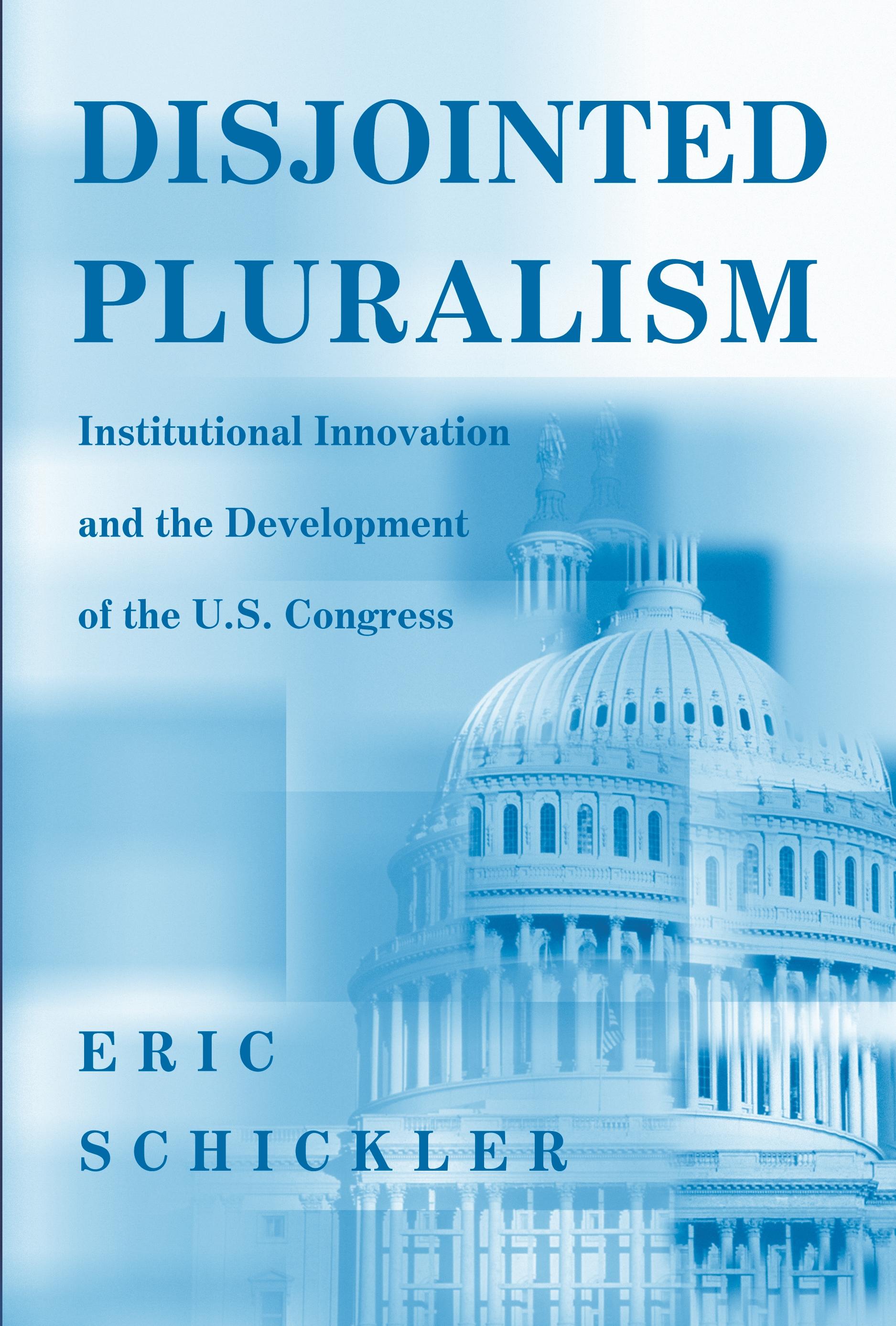
From the 1910 overthrow of "Czar" Joseph Cannon to the reforms enacted when Republicans took over the House in 1995, institutional change within the U.S. Congress has been both a product and a shaper of congressional politics. For several decades, scholars have explained this process in terms of a particular collective interest shared by members, be it partisanship, reelection worries, or policy motivations. Eric Schickler makes the case that it is actually interplay among multiple interests that determines institutional change. In the process, he explains how congressional institutions have proved remarkably adaptable and yet consistently frustrating for members and outside observers alike.
Analyzing leadership, committee, and procedural restructuring in four periods (1890-1910, 1919-1932, 1937-1952, and 1970-1989), Schickler argues that coalitions promoting a wide range of member interests drive change in both the House and Senate. He shows that multiple interests determine institutional innovation within a period; that different interests are important in different periods; and, more broadly, that changes in the salient collective interests across time do not follow a simple logical or developmental sequence. Institutional development appears disjointed, as new arrangements are layered on preexisting structures intended to serve competing interests. An epilogue assesses the rise and fall of Newt Gingrich in light of these findings.
Schickler's model of "disjointed pluralism" integrates rational choice theory with historical institutionalist approaches. It both complicates and advances efforts at theoretical synthesis by proposing a fuller, more nuanced understanding of institutional innovation--and thus of American political development and history.
Before Memmo my notes were scattered across PDFs. Now a workspace pulls everything into one place — I see exactly what's still left to study.
Memmo's summaries are gold before exams. I don't have to re-read 800 pages two weeks before — just the important parts.
The AI chat has saved me the night before an exam more than once. I just keep asking until I get it — no waiting on a study group to reply.
The quizzes hit exactly what I need to know. Memmo tracks what I get stuck on — so I only practice what's worth it.
Flashcards with spaced repetition are magic. Memmo knows when I'm about to forget something and brings it back.
The AI podcasts are my favorite. I listen on my way to school and get a recap without sitting at a computer.

Handbok i kvalitativa metoder
281 kr

Hållbar utveckling: en introduktion för ingenjörer och andra problemlösare
334 kr

Brymans Samhällsvetenskapliga metoder
390 kr

Projektledning
491 kr

Den orättvisa hälsan: om socioekonomiska skillnader i hälsa och livslängd
326 kr

Organizational Leadership
429 kr

Vetenskapsteori för nybörjare
196 kr

På väg mot läraryrket
172 kr

Det sociala livet i skolan: Socialpsykologiska perspektiv
253 kr

Betygsättningens didaktik
151 kr

Personality
402 kr

Studying Leadership
404 kr

Managing Innovation
477 kr

Introduktion till samhällsvetenskaplig metod
347 kr

The Psychology of Sex and Gender
698 kr

Evidens och kunskap för socialt arbete
207 kr

Introduction to Leadership
605 kr