
Before Memmo my notes were scattered across PDFs. Now a workspace pulls everything into one place — I see exactly what's still left to study.
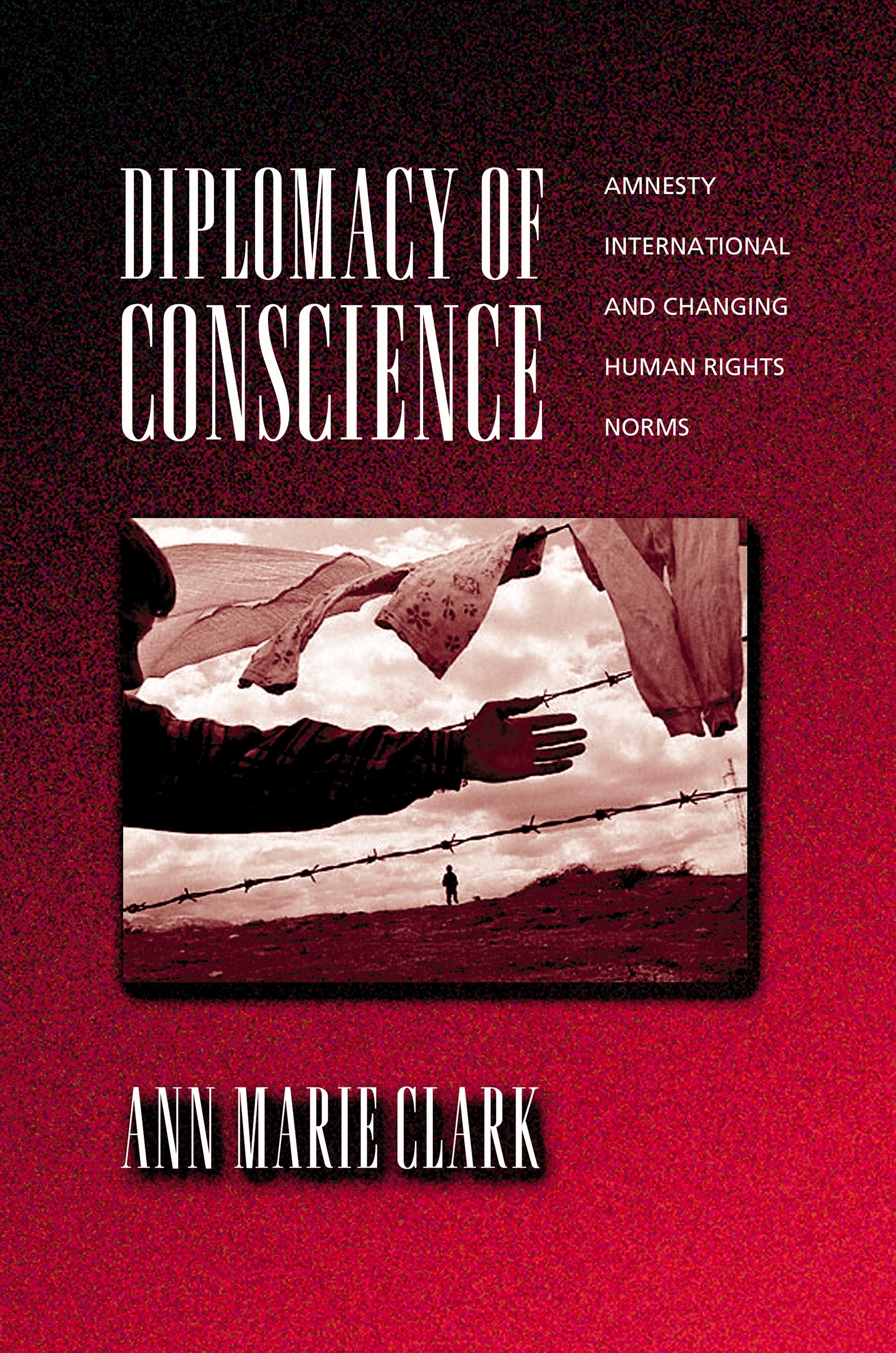
A small group founded Amnesty International in 1961 to translate human rights principles into action. Diplomacy of Conscience provides a rich account of how the organization pioneered a combination of popular pressure and expert knowledge to advance global human rights. To an extent unmatched by predecessors and copied by successors, Amnesty International has employed worldwide publicity campaigns based on fact-finding and moral pressure to urge governments to improve human rights practices. Less well known is Amnesty International's significant impact on international law. It has helped forge the international community's repertoire of official responses to the most severe human rights violations, supplementing moral concern with expertise and conceptual vision.
Diplomacy of Conscience traces Amnesty International's efforts to strengthen both popular human rights awareness and international law against torture, disappearances, and political killings. Drawing on primary interviews and archival research, Ann Marie Clark posits that Amnesty International's strenuously cultivated objectivity gave the group political independence and allowed it to be critical of all governments violating human rights. Its capacity to investigate abuses and interpret them according to international standards helped it foster consistency and coherence in new human rights law.
Generalizing from this study, Clark builds a theory of the autonomous role of nongovernmental actors in the emergence of international norms pitting moral imperatives against state sovereignty. Her work is of substantial historical and theoretical relevance to those interested in how norms take shape in international society, as well as anyone studying the increasing visibility of nongovernmental organizations on the international scene.
Before Memmo my notes were scattered across PDFs. Now a workspace pulls everything into one place — I see exactly what's still left to study.
Memmo's summaries are gold before exams. I don't have to re-read 800 pages two weeks before — just the important parts.
The AI chat has saved me the night before an exam more than once. I just keep asking until I get it — no waiting on a study group to reply.
The quizzes hit exactly what I need to know. Memmo tracks what I get stuck on — so I only practice what's worth it.
Flashcards with spaced repetition are magic. Memmo knows when I'm about to forget something and brings it back.
The AI podcasts are my favorite. I listen on my way to school and get a recap without sitting at a computer.

Handbok i kvalitativa metoder
281 kr

Hållbar utveckling: en introduktion för ingenjörer och andra problemlösare
334 kr

Brymans Samhällsvetenskapliga metoder
390 kr

Projektledning
491 kr

Den orättvisa hälsan: om socioekonomiska skillnader i hälsa och livslängd
326 kr

Organizational Leadership
429 kr

Vetenskapsteori för nybörjare
196 kr

På väg mot läraryrket
172 kr

Det sociala livet i skolan: Socialpsykologiska perspektiv
253 kr

Betygsättningens didaktik
151 kr

Personality
402 kr

Studying Leadership
404 kr

Managing Innovation
477 kr

Introduktion till samhällsvetenskaplig metod
347 kr

The Psychology of Sex and Gender
698 kr

Evidens och kunskap för socialt arbete
207 kr

Introduction to Leadership
605 kr