
Before Memmo my notes were scattered across PDFs. Now a workspace pulls everything into one place — I see exactly what's still left to study.
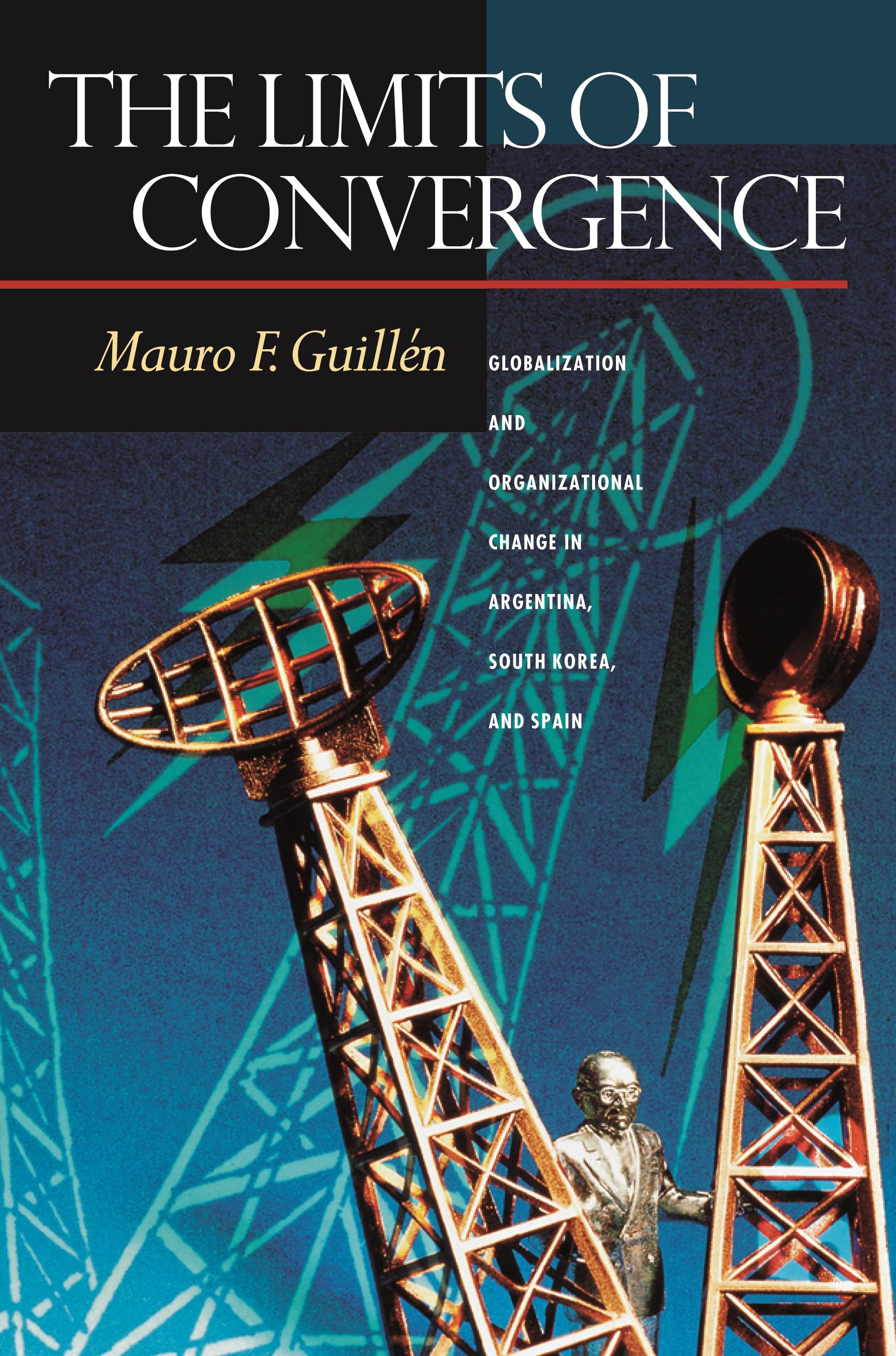
This book challenges the widely accepted notion that globalization encourages economic convergence--and, by extension, cultural homogenization--across national borders. A systematic comparison of organizational change in Argentina, South Korea, and Spain since 1950 finds that global competition forces countries to exploit their distinctive strengths, resulting in unique development trajectories.
Analyzing the social, political, and economic conditions underpinning the rise of various organizational forms, Guillén shows that business groups, small enterprises, and foreign multinationals play different economic roles depending on a country's path to development. Business groups thrive when there is foreign-trade and investment protectionism and are best suited to undertake large-scale, capital-intensive activities such as automobile assembly and construction. Their growth and diversification come at the expense of smaller firms and foreign multinationals. In contrast, small and medium enterprises are best fitted to compete in knowledge-intensive activities such as component manufacturing and branded consumer goods. They prosper in the absence of restrictions on export-oriented multinationals.
The book ends on an optimistic note by presenting evidence that it is possible--though not easy--for countries to break through the glass ceiling separating poor from rich. It concludes that globalization encourages economic diversity and that democracy is the form of government best suited to deal with globalization's contingencies. Against those who contend that the transition to markets must come before the transition to ballots, Guillén argues that democratization can and should precede economic modernization. This is applied economic sociology at its best--broad, topical, full of interesting political implications, and critical of the conventional wisdom.
Before Memmo my notes were scattered across PDFs. Now a workspace pulls everything into one place — I see exactly what's still left to study.
Memmo's summaries are gold before exams. I don't have to re-read 800 pages two weeks before — just the important parts.
The AI chat has saved me the night before an exam more than once. I just keep asking until I get it — no waiting on a study group to reply.
The quizzes hit exactly what I need to know. Memmo tracks what I get stuck on — so I only practice what's worth it.
Flashcards with spaced repetition are magic. Memmo knows when I'm about to forget something and brings it back.
The AI podcasts are my favorite. I listen on my way to school and get a recap without sitting at a computer.

Handbok i kvalitativa metoder
281 kr

Hållbar utveckling: en introduktion för ingenjörer och andra problemlösare
334 kr

Brymans Samhällsvetenskapliga metoder
390 kr

Projektledning
491 kr

Den orättvisa hälsan: om socioekonomiska skillnader i hälsa och livslängd
326 kr

Organizational Leadership
429 kr

Vetenskapsteori för nybörjare
196 kr

På väg mot läraryrket
172 kr

Det sociala livet i skolan: Socialpsykologiska perspektiv
253 kr

Betygsättningens didaktik
151 kr

Personality
402 kr

Studying Leadership
404 kr

Managing Innovation
477 kr

Introduktion till samhällsvetenskaplig metod
347 kr

The Psychology of Sex and Gender
698 kr

Evidens och kunskap för socialt arbete
207 kr

Introduction to Leadership
605 kr