
Before Memmo my notes were scattered across PDFs. Now a workspace pulls everything into one place — I see exactly what's still left to study.
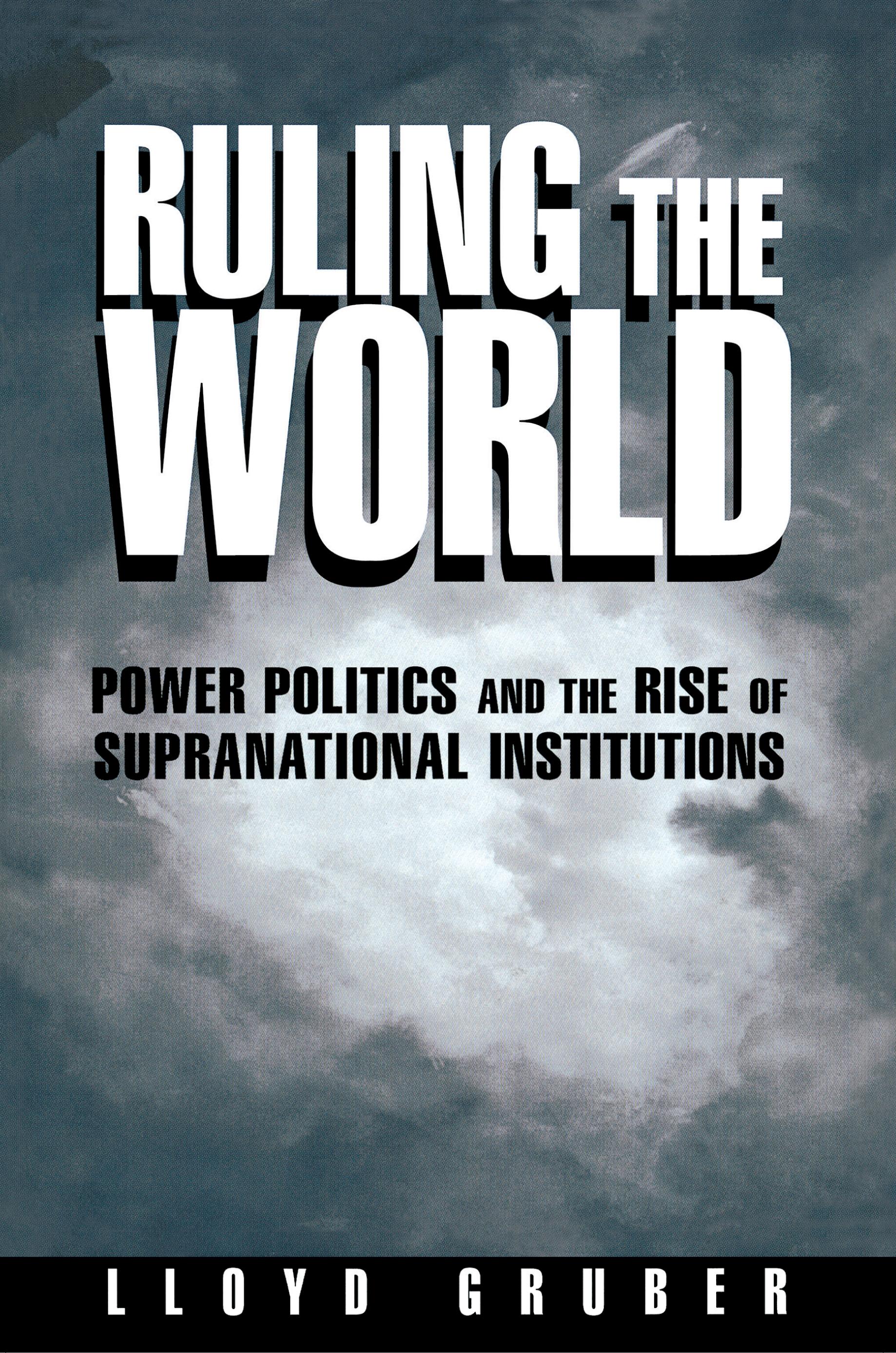
The last few decades have witnessed an extraordinary transfer of policy-making prerogatives from individual nation-states to supranational institutions. If you think this is cause for celebration, you are not alone. Within the academic community (and not only among students of international cooperation), the notion that political institutions are mutually beneficial--that they would never come into existence, much less grow in size and assertiveness, were they not "Pareto-improving"--is today's conventional wisdom. But is it true? In this richly detailed and strikingly original study, Lloyd Gruber suggests that this emphasis on cooperation's positive-sum consequences may be leading scholars of international relations down the wrong theoretical path.
The fact that membership in a cooperative arrangement is voluntary, Gruber argues, does not mean that it works to everyone's advantage. To the contrary, some cooperators may incur substantial losses relative to the original, non-cooperative status quo. So what, then, keeps these participants from withdrawing? Gruber's answer, in a word, is power--specifically the "go-it-alone power" exercised by the regime's beneficiaries, many of whom would continue to benefit even if their partners, the losers, were to opt out. To lend support to this thesis, Gruber takes a fresh look at the political origins and structures of European Monetary Unification and NAFTA. But the theoretical arguments elaborated in Ruling the World extend well beyond money and trade, touching upon issues of long-standing interest to students of security cooperation, environmental politics, nation-building--even political philosophy. Bold and compelling, this book will appeal to anyone interested in understanding how "power politics" really operates and why, for better or worse, it is fueling much of the supranational activity we see today.
Before Memmo my notes were scattered across PDFs. Now a workspace pulls everything into one place — I see exactly what's still left to study.
Memmo's summaries are gold before exams. I don't have to re-read 800 pages two weeks before — just the important parts.
The AI chat has saved me the night before an exam more than once. I just keep asking until I get it — no waiting on a study group to reply.
The quizzes hit exactly what I need to know. Memmo tracks what I get stuck on — so I only practice what's worth it.
Flashcards with spaced repetition are magic. Memmo knows when I'm about to forget something and brings it back.
The AI podcasts are my favorite. I listen on my way to school and get a recap without sitting at a computer.

Handbok i kvalitativa metoder
281 kr

Hållbar utveckling: en introduktion för ingenjörer och andra problemlösare
334 kr

Brymans Samhällsvetenskapliga metoder
390 kr

Projektledning
491 kr

Den orättvisa hälsan: om socioekonomiska skillnader i hälsa och livslängd
326 kr

Vetenskapsteori för nybörjare
196 kr

Organizational Leadership
429 kr

På väg mot läraryrket
172 kr

Det sociala livet i skolan: Socialpsykologiska perspektiv
253 kr

Betygsättningens didaktik
151 kr

Personality
402 kr

Studying Leadership
404 kr

Managing Innovation
477 kr

Introduktion till samhällsvetenskaplig metod
347 kr

The Psychology of Sex and Gender
698 kr

Evidens och kunskap för socialt arbete
207 kr

Introduction to Leadership
605 kr