
Before Memmo my notes were scattered across PDFs. Now a workspace pulls everything into one place — I see exactly what's still left to study.
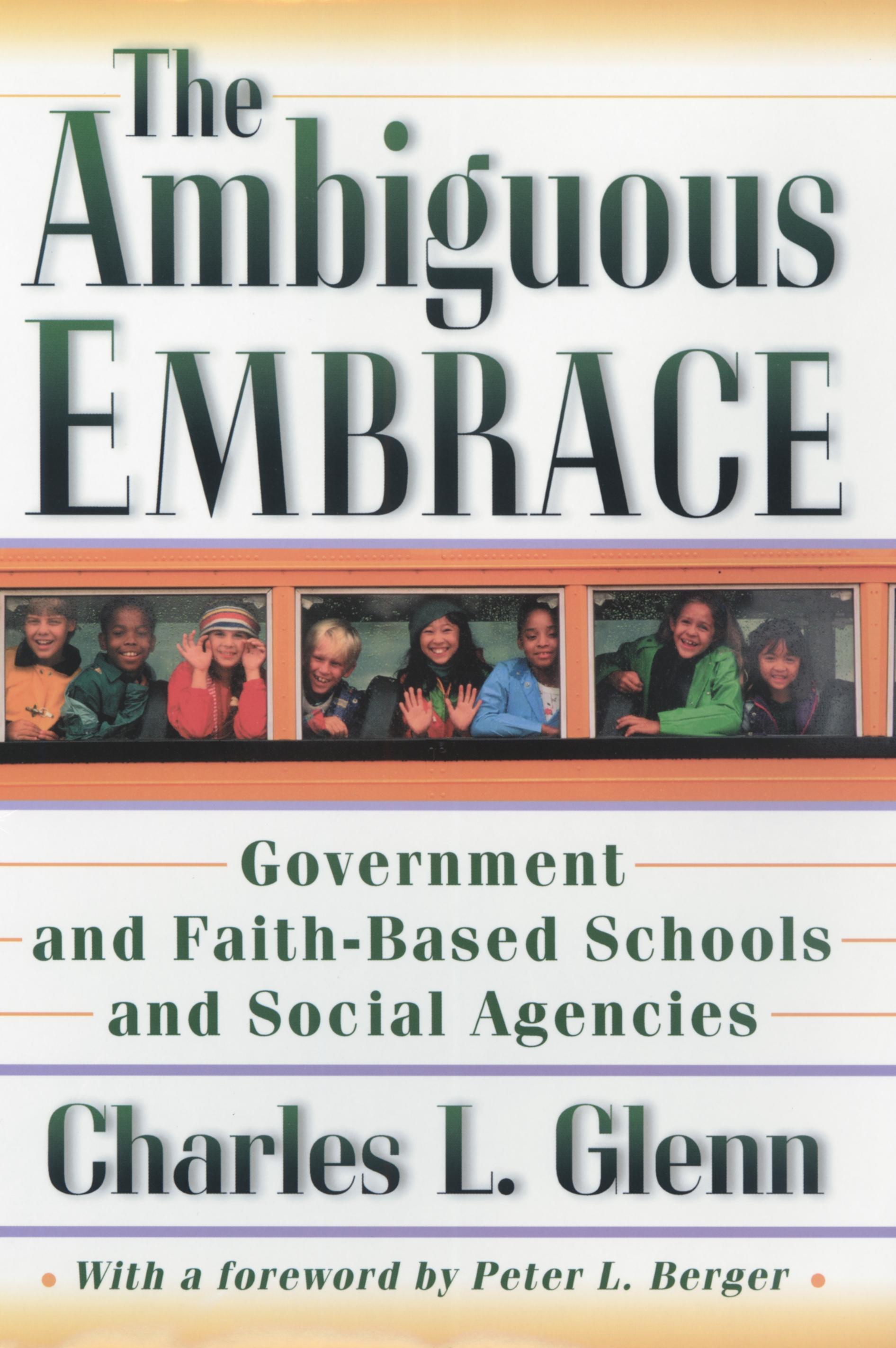
This is a time of far-reaching change and debate in American education and social policy, spurred in part by a rediscovery that civil-society institutions are often better than government at meeting human needs. As Charles Glenn shows in this book, faith-based schools and social agencies have been particularly effective, especially in meeting the needs of the most vulnerable. However, many oppose providing public funds for religious institutions, either on the grounds that it would threaten the constitutional separation of church and state or from concern it might dilute or secularize the distinctive character of the institutions themselves. Glenn tackles these arguments head on. He builds a uniquely comprehensive and persuasive case for faith-based organizations playing a far more active role in American schools and social agencies. And, most importantly, he shows that they could do so both while receiving public funds and while striking a workable balance between accountability and autonomy.
Glenn is ideally placed to make this argument. A leading expert on international education policies, he was for many years the director of urban education and civil rights for the Massachusetts Department of Education, and also serves as an Associate Minister of inner-city churches in Boston. Glenn draws on all his varied experience here as he reviews the policies and practices of governments in the United States and Europe as they have worked with faith-based schools and also with such social agencies as the Salvation Army and Teen Challenge. He seeks to answer key theoretical and practical questions: Why should government make greater use of faith-based providers? How could they do so without violating First Amendment limits? What working relationships protect the goals and standards both of government and of the organizations that the government funds? Glenn shows that, with appropriate forms of accountability and a strong commitment to a distinctive vision of service, faith-based organizations can collaborate safely with government, to their mutual benefit and that of those they serve. This is a major contribution to one of the most important topics in political and social debate today.
Before Memmo my notes were scattered across PDFs. Now a workspace pulls everything into one place — I see exactly what's still left to study.
Memmo's summaries are gold before exams. I don't have to re-read 800 pages two weeks before — just the important parts.
The AI chat has saved me the night before an exam more than once. I just keep asking until I get it — no waiting on a study group to reply.
The quizzes hit exactly what I need to know. Memmo tracks what I get stuck on — so I only practice what's worth it.
Flashcards with spaced repetition are magic. Memmo knows when I'm about to forget something and brings it back.
The AI podcasts are my favorite. I listen on my way to school and get a recap without sitting at a computer.

Handbok i kvalitativa metoder
281 kr

Hållbar utveckling: en introduktion för ingenjörer och andra problemlösare
334 kr

Brymans Samhällsvetenskapliga metoder
390 kr

Projektledning
491 kr

Den orättvisa hälsan: om socioekonomiska skillnader i hälsa och livslängd
326 kr

Organizational Leadership
429 kr

Vetenskapsteori för nybörjare
196 kr

På väg mot läraryrket
172 kr

Det sociala livet i skolan: Socialpsykologiska perspektiv
253 kr

Betygsättningens didaktik
151 kr

Personality
402 kr

Studying Leadership
404 kr

Managing Innovation
477 kr

Introduktion till samhällsvetenskaplig metod
347 kr

The Psychology of Sex and Gender
698 kr

Evidens och kunskap för socialt arbete
207 kr

Introduction to Leadership
605 kr