
Before Memmo my notes were scattered across PDFs. Now a workspace pulls everything into one place — I see exactly what's still left to study.
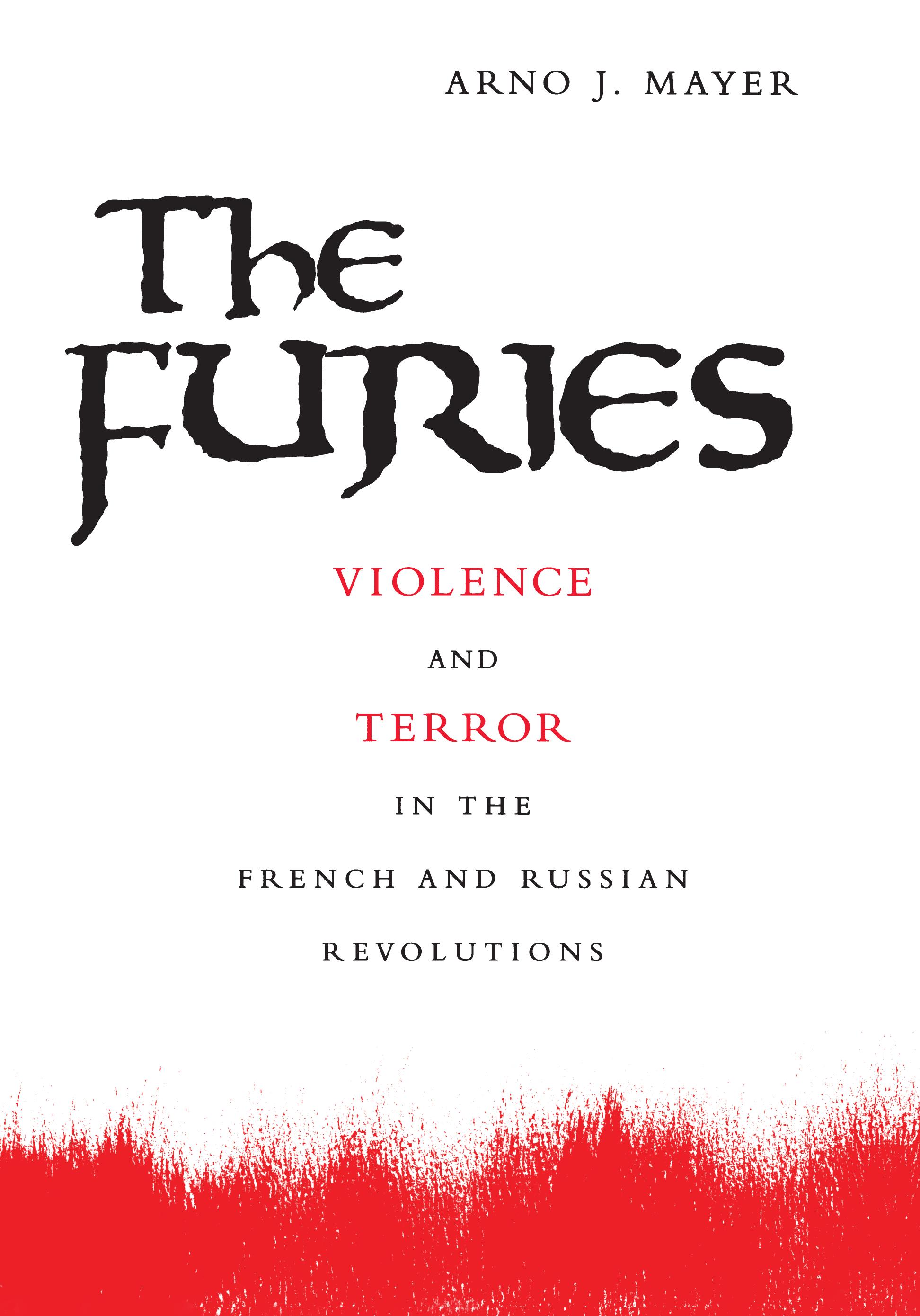
The great romance and fear of bloody revolution--strange blend of idealism and terror--have been superseded by blind faith in the bloodless expansion of human rights and global capitalism. Flying in the face of history, violence is dismissed as rare, immoral, and counterproductive. Arguing against this pervasive wishful thinking, the distinguished historian Arno J. Mayer revisits the two most tumultuous and influential revolutions of modern times: the French Revolution of 1789 and the Russian Revolution of 1917.
Although these two upheavals arose in different environments, they followed similar courses. The thought and language of Enlightenment France were the glories of western civilization; those of tsarist Russia's intelligentsia were on its margins. Both revolutions began as revolts vowed to fight unreason, injustice, and inequality; both swept away old regimes and defied established religions in societies that were 85% peasant and illiterate; both entailed the terrifying return of repressed vengeance. Contrary to prevalent belief, Mayer argues, ideologies and personalities did not control events. Rather, the tide of violence overwhelmed the political actors who assumed power and were rudderless. Even the best plans could not stem the chaos that at once benefited and swallowed them. Mayer argues that we have ignored an essential part of all revolutions: the resistances to revolution, both domestic and foreign, which help fuel the spiral of terror.
In his sweeping yet close comparison of the world's two transnational revolutions, Mayer follows their unfolding--from the French Declaration of the Rights of Man and the Bolshevik Declaration of the Rights of the Toiling and Exploited Masses; the escalation of the initial violence into the reign of terror of 1793-95 and of 1918-21; the dismemberment of the hegemonic churches and religion of both societies; the "externalization" of the terror through the Napoleonic wars; and its "internalization" in Soviet Russia in the form of Stalin's "Terror in One Country." Making critical use of theory, old and new, Mayer breaks through unexamined assumptions and prevailing debates about the attributes of these particular revolutions to raise broader and more disturbing questions about the nature of revolutionary violence attending new foundations.
Before Memmo my notes were scattered across PDFs. Now a workspace pulls everything into one place — I see exactly what's still left to study.
Memmo's summaries are gold before exams. I don't have to re-read 800 pages two weeks before — just the important parts.
The AI chat has saved me the night before an exam more than once. I just keep asking until I get it — no waiting on a study group to reply.
The quizzes hit exactly what I need to know. Memmo tracks what I get stuck on — so I only practice what's worth it.
Flashcards with spaced repetition are magic. Memmo knows when I'm about to forget something and brings it back.
The AI podcasts are my favorite. I listen on my way to school and get a recap without sitting at a computer.

Handbok i kvalitativa metoder
281 kr

Hållbar utveckling: en introduktion för ingenjörer och andra problemlösare
334 kr

Brymans Samhällsvetenskapliga metoder
390 kr

Projektledning
491 kr

Den orättvisa hälsan: om socioekonomiska skillnader i hälsa och livslängd
326 kr

Vetenskapsteori för nybörjare
196 kr

Organizational Leadership
429 kr

På väg mot läraryrket
172 kr

Det sociala livet i skolan: Socialpsykologiska perspektiv
253 kr

Betygsättningens didaktik
151 kr

Personality
402 kr

Studying Leadership
404 kr

Managing Innovation
477 kr

Introduktion till samhällsvetenskaplig metod
347 kr

The Psychology of Sex and Gender
698 kr

Evidens och kunskap för socialt arbete
207 kr

Introduction to Leadership
605 kr