
Before Memmo my notes were scattered across PDFs. Now a workspace pulls everything into one place — I see exactly what's still left to study.
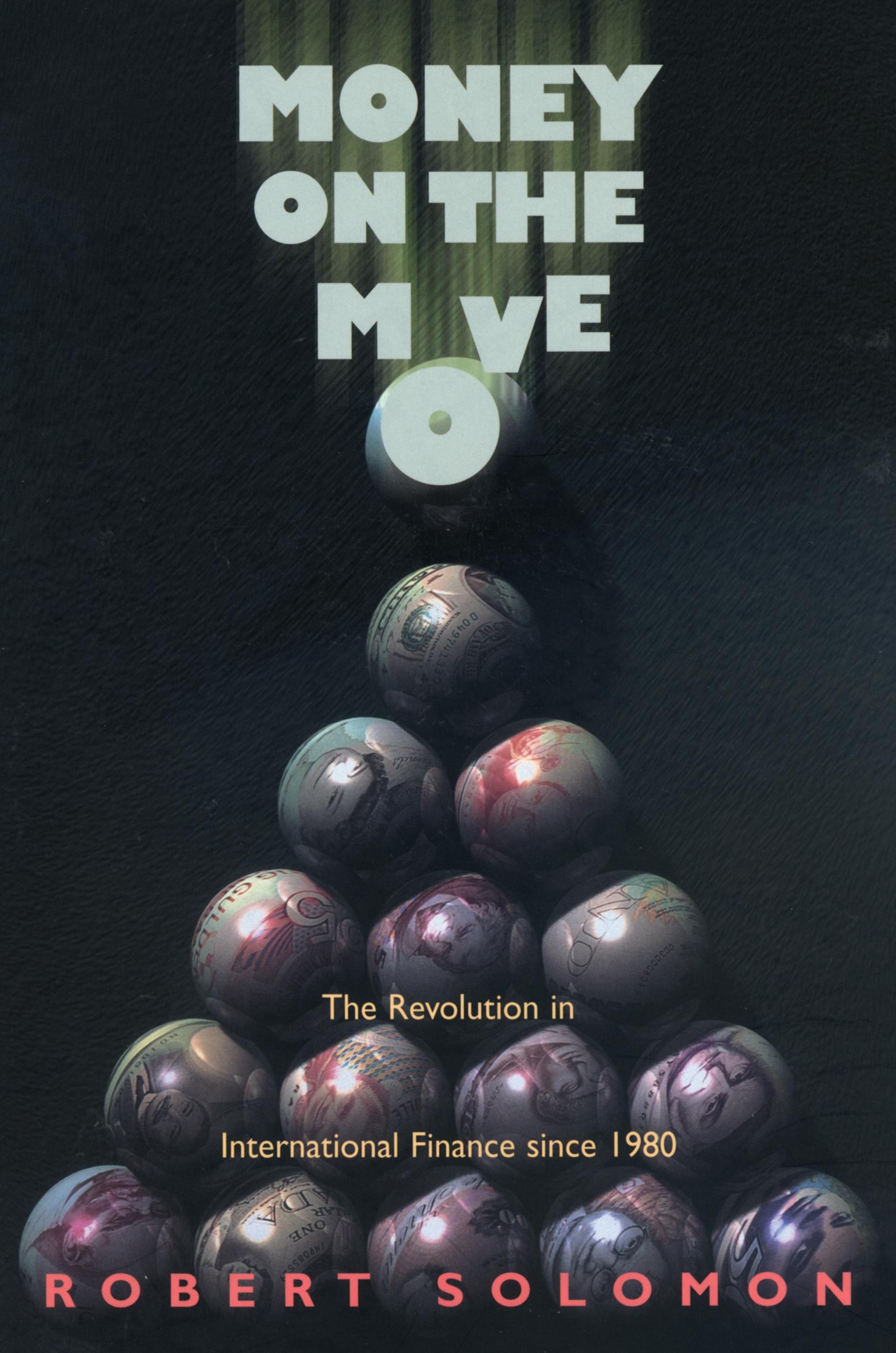
The international monetary system has changed radically in the last twenty years. Capital, information, goods, and services move around the globe with unprecedented ease. Countries from the former communist bloc have joined the system. Europe is on the verge of monetary union. Financial crises in East Asia and Mexico have rocked the world economy. In this book, Robert Solomon--author of the definitive history of the monetary order between 1945 and 1981--presents the first comprehensive history of these and other aspects of this revolution in international finance. Authoritative, accessible, and elegantly written, the book will be indispensable for anyone who wishes to understand how today's international monetary system works.
Solomon begins with the spectacular rise and subsequent decline of the foreign exchange value of the U.S. dollar in the 1980s. He covers the debt crisis of developing countries in the 1980s. He explores the shift from central planning to market economies in many countries in the 1990s and explains the origins, implications, and problems of the move to a single European currency. Solomon examines in detail the striking increase in the mobility of capital--paying particular attention to the costs and benefits for developing countries, and to the role of capital mobility in the Mexican crisis of 1994 and the Asian crisis that began in 1997. In the book's final chapter, Solomon provides an overview of the international monetary system and considers how it might evolve in the future. In this section, he focuses on the key subjects of balance-of-payments adjustments, supply of reserves, and stability. He also evaluates a variety of much-debated policy instruments, including inflation targeting, currency boards, target zones for exchange rates, free-floating exchange rates, the Tobin tax, macroeconomic policy coordination, and special drawings rights.
Throughout, Solomon relates developments in the international monetary system to macroeconomic conditions in the countries involved--arguing that it is impossible to understand one without understanding the other. As a clear, thorough, and unusually perceptive account of global finance and monetary economics in the late twentieth century, Money on the Move will be vital reading for economists, policymakers, and general readers.
Before Memmo my notes were scattered across PDFs. Now a workspace pulls everything into one place — I see exactly what's still left to study.
Memmo's summaries are gold before exams. I don't have to re-read 800 pages two weeks before — just the important parts.
The AI chat has saved me the night before an exam more than once. I just keep asking until I get it — no waiting on a study group to reply.
The quizzes hit exactly what I need to know. Memmo tracks what I get stuck on — so I only practice what's worth it.
Flashcards with spaced repetition are magic. Memmo knows when I'm about to forget something and brings it back.
The AI podcasts are my favorite. I listen on my way to school and get a recap without sitting at a computer.

Handbok i kvalitativa metoder
281 kr

Hållbar utveckling: en introduktion för ingenjörer och andra problemlösare
334 kr

Brymans Samhällsvetenskapliga metoder
390 kr

Projektledning
491 kr

Den orättvisa hälsan: om socioekonomiska skillnader i hälsa och livslängd
326 kr

Organizational Leadership
429 kr

Vetenskapsteori för nybörjare
196 kr

På väg mot läraryrket
172 kr

Det sociala livet i skolan: Socialpsykologiska perspektiv
253 kr

Betygsättningens didaktik
151 kr

Personality
402 kr

Studying Leadership
404 kr

Managing Innovation
477 kr

Introduktion till samhällsvetenskaplig metod
347 kr

The Psychology of Sex and Gender
698 kr

Evidens och kunskap för socialt arbete
207 kr

Introduction to Leadership
605 kr