
Before Memmo my notes were scattered across PDFs. Now a workspace pulls everything into one place — I see exactly what's still left to study.
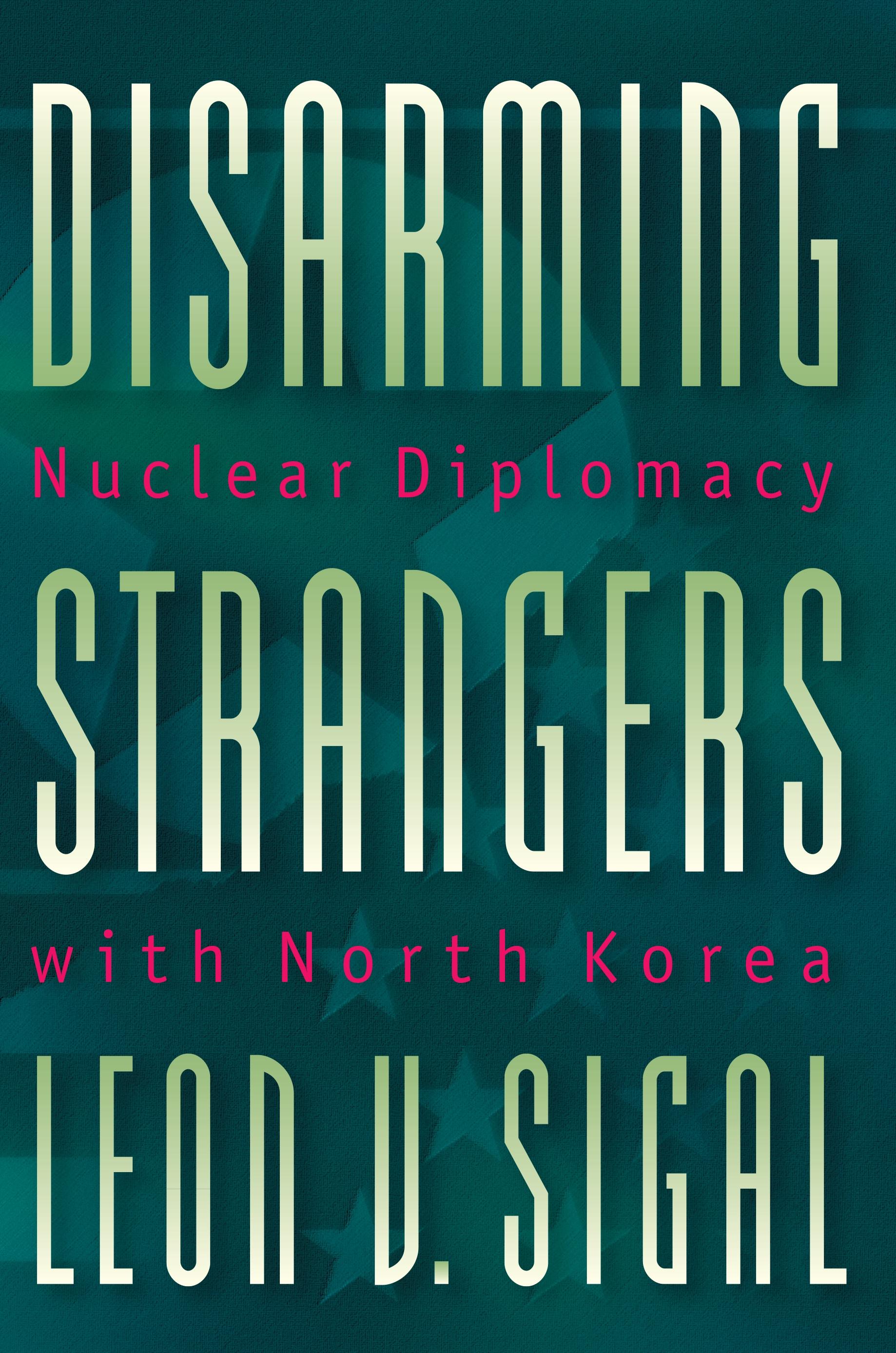
In June 1994 the United States went to the brink of war with North Korea. With economic sanctions impending, President Bill Clinton approved the dispatch of substantial reinforcements to Korea, and plans were prepared for attacking the North's nuclear weapons complex. The turning point came in an extraordinary private diplomatic initiative by former President Jimmy Carter and others to reverse the dangerous American course and open the way to a diplomatic settlement of the nuclear crisis.
Few Americans know the full details behind this story or perhaps realize the devastating impact it could have had on the nation's post-Cold War foreign policy. In this lively and authoritative book, Leon Sigal offers an inside look at how the Korean nuclear crisis originated, escalated, and was ultimately defused. He begins by exploring a web of intelligence failures by the United States and intransigence within South Korea and the International Atomic Energy Agency. Sigal pays particular attention to an American mindset that prefers coercion to cooperation in dealing with aggressive nations. Drawing upon in-depth interviews with policymakers from the countries involved, he discloses the details of the buildup to confrontation, American refusal to engage in diplomatic give-and-take, the Carter mission, and the diplomatic deal of October 1994.
In the post-Cold War era, the United States is less willing and able than before to expend unlimited resources abroad; as a result it will need to act less unilaterally and more in concert with other nations. What will become of an American foreign policy that prefers coercion when conciliation is more likely to serve its national interests? Using the events that nearly led the United States into a second Korean War, Sigal explores the need for policy change when it comes to addressing the challenge of nuclear proliferation and avoiding conflict with nations like Russia, Iran, and Iraq. What the Cuban missile crisis was to fifty years of superpower conflict, the North Korean nuclear crisis is to the coming era.
Before Memmo my notes were scattered across PDFs. Now a workspace pulls everything into one place — I see exactly what's still left to study.
Memmo's summaries are gold before exams. I don't have to re-read 800 pages two weeks before — just the important parts.
The AI chat has saved me the night before an exam more than once. I just keep asking until I get it — no waiting on a study group to reply.
The quizzes hit exactly what I need to know. Memmo tracks what I get stuck on — so I only practice what's worth it.
Flashcards with spaced repetition are magic. Memmo knows when I'm about to forget something and brings it back.
The AI podcasts are my favorite. I listen on my way to school and get a recap without sitting at a computer.

Handbok i kvalitativa metoder
281 kr

Hållbar utveckling: en introduktion för ingenjörer och andra problemlösare
334 kr

Brymans Samhällsvetenskapliga metoder
390 kr

Projektledning
491 kr

Den orättvisa hälsan: om socioekonomiska skillnader i hälsa och livslängd
326 kr

Organizational Leadership
429 kr

Vetenskapsteori för nybörjare
196 kr

På väg mot läraryrket
172 kr

Det sociala livet i skolan: Socialpsykologiska perspektiv
253 kr

Betygsättningens didaktik
151 kr

Personality
402 kr

Studying Leadership
404 kr

Managing Innovation
477 kr

Introduktion till samhällsvetenskaplig metod
347 kr

The Psychology of Sex and Gender
698 kr

Evidens och kunskap för socialt arbete
207 kr

Introduction to Leadership
605 kr