
Before Memmo my notes were scattered across PDFs. Now a workspace pulls everything into one place — I see exactly what's still left to study.
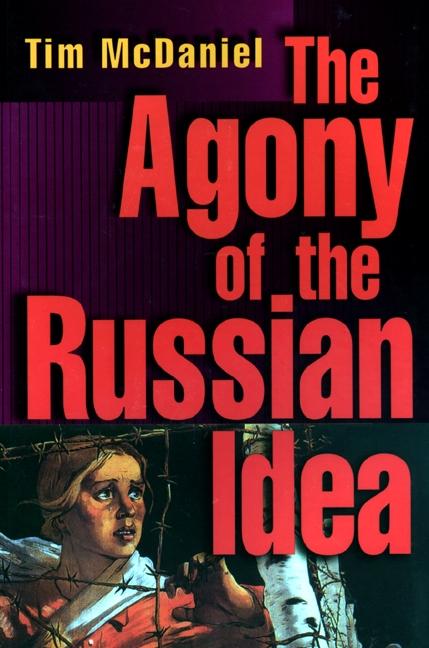
Boris Yeltsin's attempts at democratic reform have plunged a long troubled Russia even further into turmoil. This dramatic break with the Soviet past has left Russia politically fragmented and riddled with corruption, its people with little hope for the future. In a fascinating account for anyone interested in Russia's current political struggles, Tim McDaniel explores the inability of all its leaders over the last two centuries--tsars and Communist rulers alike--to create the foundations of a viable modern society. The problem then and now, he argues, is rooted in a cultural trap endemic to Russian society and linked to a unique sense of destiny embodied by the "Russian idea."
In its most basic sense, the Russian idea is the belief that Russia can forge a path in the modern world that sets itself apart from the West through adherence to shared beliefs, community, and equality. These cultural values, according to McDaniel, have mainly reversed the values of Western society rather than having provided a real alternative to them. By relying on the Russian idea in their programs of change, dictatorial governments almost unavoidably precipitated social breakdown.
When the Yeltsin government declared war on the Communist past, it broke with deeply held Russian values and traditions. McDaniel shows that in cutting people off from their pasts and promoting the West as the sole model of modernity, the reformers have simultaneously undermined the foundations of Russian morality and the people's sense of a future. Unwittingly, the Yeltsin government has thereby annihilated its own authority.
McDaniel lived in Russia for three years during both the Communist and post-Communist periods. Basing his analysis on broad historical research, extensive travels, countless interviews and conversations, and friendships with Russians from all walks of life, McDaniel emphasizes the perils of assuming that Russians understand the world in the same way that we do, and so can and should become like us. Challenging and provocative in its claims, this book is intended for anyone seeking to understand Russia's attempts to create a new society.
Before Memmo my notes were scattered across PDFs. Now a workspace pulls everything into one place — I see exactly what's still left to study.
Memmo's summaries are gold before exams. I don't have to re-read 800 pages two weeks before — just the important parts.
The AI chat has saved me the night before an exam more than once. I just keep asking until I get it — no waiting on a study group to reply.
The quizzes hit exactly what I need to know. Memmo tracks what I get stuck on — so I only practice what's worth it.
Flashcards with spaced repetition are magic. Memmo knows when I'm about to forget something and brings it back.
The AI podcasts are my favorite. I listen on my way to school and get a recap without sitting at a computer.

Handbok i kvalitativa metoder
281 kr

Hållbar utveckling: en introduktion för ingenjörer och andra problemlösare
334 kr

Brymans Samhällsvetenskapliga metoder
390 kr

Projektledning
491 kr

Den orättvisa hälsan: om socioekonomiska skillnader i hälsa och livslängd
326 kr

Vetenskapsteori för nybörjare
196 kr

Organizational Leadership
429 kr

På väg mot läraryrket
172 kr

Det sociala livet i skolan: Socialpsykologiska perspektiv
253 kr

Betygsättningens didaktik
151 kr

Personality
402 kr

Studying Leadership
404 kr

Managing Innovation
477 kr

Introduktion till samhällsvetenskaplig metod
347 kr

The Psychology of Sex and Gender
698 kr

Evidens och kunskap för socialt arbete
207 kr

Introduction to Leadership
605 kr