
Before Memmo my notes were scattered across PDFs. Now a workspace pulls everything into one place — I see exactly what's still left to study.
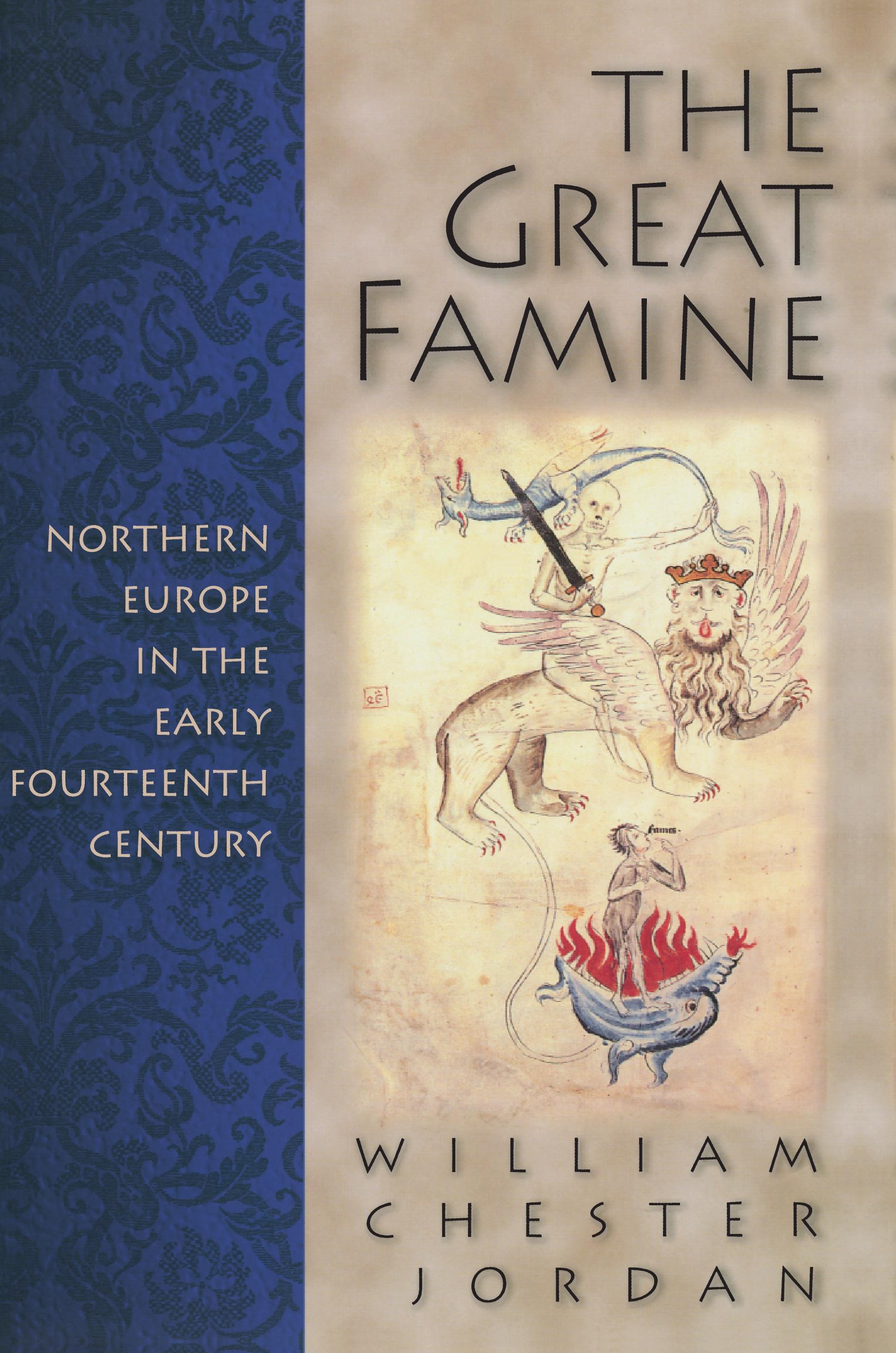
The horrors of the Great Famine (1315-1322), one of the severest catastrophes ever to strike northern Europe, lived on for centuries in the minds of Europeans who recalled tales of widespread hunger, class warfare, epidemic disease, frighteningly high mortality, and unspeakable crimes. Until now, no one has offered a perspective of what daily life was actually like throughout the entire region devastated by this crisis, nor has anyone probed far into its causes. Here, the distinguished historian William Jordan provides the first comprehensive inquiry into the Famine from Ireland to western Poland, from Scandinavia to central France and western Germany. He produces a rich cultural history of medieval community life, drawing his evidence from such sources as meteorological and agricultural records, accounts kept by monasteries providing for the needy, and documentation of military campaigns. Whereas there has been a tendency to describe the food shortages as a result of simply bad weather or else poor economic planning, Jordan sets the stage so that we see the complex interplay of social and environmental factors that caused this particular disaster and allowed it to continue for so long.
Jordan begins with a description of medieval northern Europe at its demographic peak around 1300, by which time the region had achieved a sophisticated level of economic integration. He then looks at problems that, when combined with years of inundating rains and brutal winters, gnawed away at economic stability. From animal diseases and harvest failures to volatile prices, class antagonism, and distribution breakdowns brought on by constant war, northern Europeans felt helplessly besieged by acts of an angry God--although a cessation of war and a more equitable distribution of resources might have lessened the severity of the food shortages.
Throughout Jordan interweaves vivid historical detail with a sharp analysis of why certain responses to the famine failed. He ultimately shows that while the northern European economy did recover quickly, the Great Famine ushered in a period of social instability that had serious repercussions for generations to come.
Before Memmo my notes were scattered across PDFs. Now a workspace pulls everything into one place — I see exactly what's still left to study.
Memmo's summaries are gold before exams. I don't have to re-read 800 pages two weeks before — just the important parts.
The AI chat has saved me the night before an exam more than once. I just keep asking until I get it — no waiting on a study group to reply.
The quizzes hit exactly what I need to know. Memmo tracks what I get stuck on — so I only practice what's worth it.
Flashcards with spaced repetition are magic. Memmo knows when I'm about to forget something and brings it back.
The AI podcasts are my favorite. I listen on my way to school and get a recap without sitting at a computer.

Handbok i kvalitativa metoder
281 kr

Hållbar utveckling: en introduktion för ingenjörer och andra problemlösare
334 kr

Brymans Samhällsvetenskapliga metoder
390 kr

Projektledning
491 kr

Den orättvisa hälsan: om socioekonomiska skillnader i hälsa och livslängd
326 kr

Vetenskapsteori för nybörjare
196 kr

Organizational Leadership
429 kr

På väg mot läraryrket
172 kr

Det sociala livet i skolan: Socialpsykologiska perspektiv
253 kr

Betygsättningens didaktik
151 kr

Personality
402 kr

Studying Leadership
404 kr

Managing Innovation
477 kr

Introduktion till samhällsvetenskaplig metod
347 kr

The Psychology of Sex and Gender
698 kr

Evidens och kunskap för socialt arbete
207 kr

Introduction to Leadership
605 kr