
Before Memmo my notes were scattered across PDFs. Now a workspace pulls everything into one place — I see exactly what's still left to study.
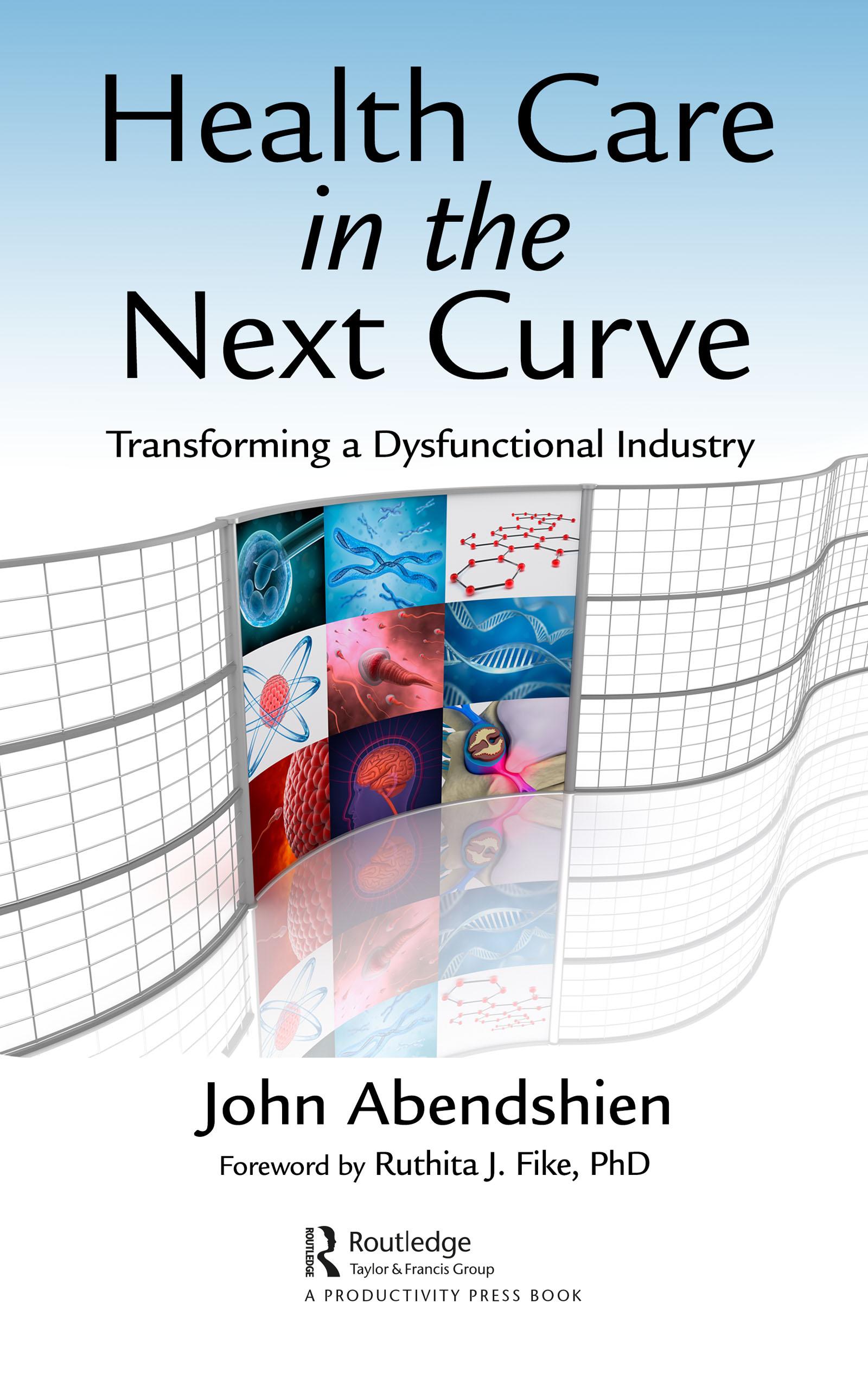
Healthcare in the U.S. is a critical juncture. We face a sharp upward rise in the number of people with chronic diseases and disabilities. As demands on our current health system grow, so will costs. But as a society we are approaching the upper limit of how much we are willing (or able) to spend on health care. Health care policy makers know this. That is why major health reform measures are focused on population health and value-based care. These are the so-called second curve objectives. But these initiatives are doomed to failure. We are asking a system to do things that it was not designed to do.
In fact, we don’t have a health care "system" as such. We have a parts bin of disconnected silos. Fragmented delivery systems. Specialized caregivers. Professional groups. Trade associations. All with distinct cultures. Each with their own motivations and agendas.
Our payer and regulatory structures have evolved over the decades in response to political and policy initiatives. However well intentioned (or not), these structures defy logic. They reward and reinforce counter-productive industry behaviors. They pose formidable roadblocks to achieving needed changes.
Current reform initiatives are an implicit recognition that our health model is flawed. The attitude seems to be, "Yes, we know the overall health system is a problem, but we can make failure less severe if we implement these measures." We are at a critical juncture. We can continue to place additional demands on an industry model that has outlived its functional utility. Or we can take more of a clean slate approach and move toward a model that is in keeping with today’s needs.
The outlook is not good if we stay on the current curve. The demands on resources will continue their upward trajectory. The default scenario will be one of rationing and less to invest in new cures and new technologies. The good news is that we are within sight of a future state of health care that can really work. In this future state, we have gotten rid of the artificial barriers to effective and efficient patient care. Physicians and other health professionals work in a coordinated, inter-disciplinary fashion. They have accountability for the whole care cycle. Caregivers have both the flexibility and encouragement to innovate and come up with optimal delivery approaches. And because they are in a risk-reward relationship with payers, they have the incentives to provide true value. Patients feel intimately connected to a system that is focused on their specific needs.
The key to this future state is good old-fashioned market discipline. Other delivery models must either improve or get out of the way. The market will demand cost-efficiencies and won’t tolerate waste. Much of our regulatory structure will be rendered unnecessary. There will be not rewards for poor performance.
This book takes a unique macro-level perspective of clinical, economic, and regulatory problems and possible solutions. It takes an objective and something scathing look at current industry structure: a silo-driven culture and entrenchment that is driven by self-interest; as well as the complicity of government in preserving the status quo through regulations, licensure, payment systems, etc.
Before Memmo my notes were scattered across PDFs. Now a workspace pulls everything into one place — I see exactly what's still left to study.
Memmo's summaries are gold before exams. I don't have to re-read 800 pages two weeks before — just the important parts.
The AI chat has saved me the night before an exam more than once. I just keep asking until I get it — no waiting on a study group to reply.
The quizzes hit exactly what I need to know. Memmo tracks what I get stuck on — so I only practice what's worth it.
Flashcards with spaced repetition are magic. Memmo knows when I'm about to forget something and brings it back.
The AI podcasts are my favorite. I listen on my way to school and get a recap without sitting at a computer.

Handbok i kvalitativa metoder
281 kr

Hållbar utveckling: en introduktion för ingenjörer och andra problemlösare
334 kr

Brymans Samhällsvetenskapliga metoder
390 kr

Projektledning
491 kr

Den orättvisa hälsan: om socioekonomiska skillnader i hälsa och livslängd
326 kr

Vetenskapsteori för nybörjare
196 kr

Organizational Leadership
429 kr

På väg mot läraryrket
172 kr

Det sociala livet i skolan: Socialpsykologiska perspektiv
253 kr

Betygsättningens didaktik
151 kr

Personality
402 kr

Studying Leadership
404 kr

Managing Innovation
477 kr

Introduktion till samhällsvetenskaplig metod
347 kr

The Psychology of Sex and Gender
698 kr

Evidens och kunskap för socialt arbete
207 kr

Introduction to Leadership
605 kr