
Before Memmo my notes were scattered across PDFs. Now a workspace pulls everything into one place — I see exactly what's still left to study.
RFID is an increasingly pervasive tool that is now used in a wide range of fields. It is employed to substantiate adherence to food preservation and safety standards, combat the circulation of counterfeit pharmaceuticals, and verify authenticity and history of critical parts used in aircraft and other machinery—and these are just a few of its uses.
Goes beyond deployment, focusing on exactly how RFID actually works
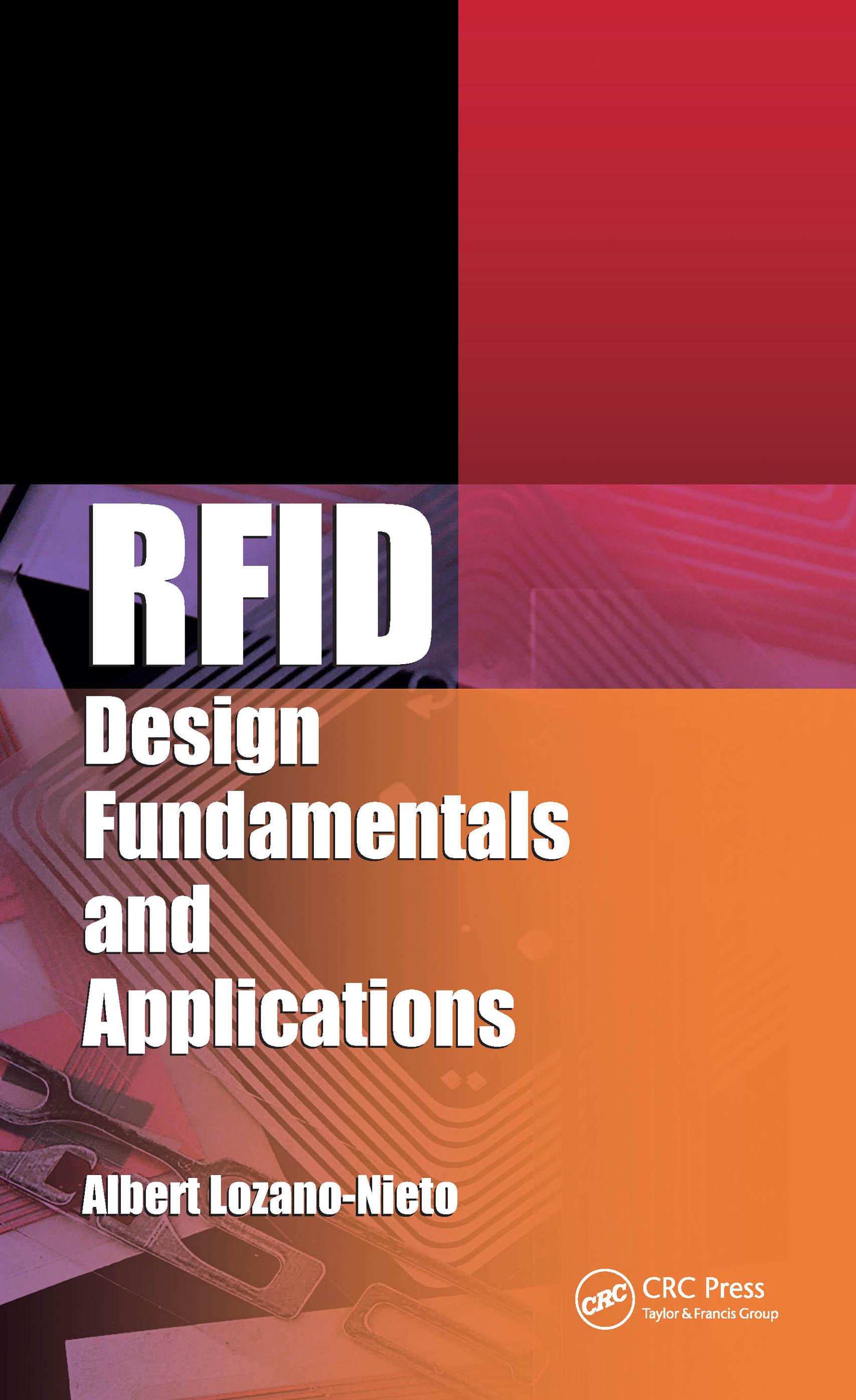
RFID Design Fundamentals and Applications systematically explores the fundamental principles involved in the design and characterization of RFID technologies. The RFID market is exploding. With new and enhanced applications becoming increasingly integral to government and industrial chain supply and logistics around the globe, professionals must be proficient in the evaluation and deployment of these systems. Although manufacturers provide complete and extensive documentation of each individual RFID component, it can be difficult to synthesize and apply this complex information—and users often must consult and integrate data from several producers for different components.
This book covers topics including:
This powerful reference helps to resolve this dilemma by compiling a systematic overview of the different parts that make up the whole RFID system, helping the reader develop a clear and understanding of its mechanisms and how the technology actually works. Most books on RFID focus on commercial use and deployment of the technology, but this volume takes a different and extremely useful approach. Directed toward both professionals and students in electronics, telecommunications, and new technologies, it fills the informational void left by other books, illustrating specific examples of available semiconductors and integrated circuits to clearly explain how RFID systems are configured, how they work, and how different system components interact with each other.
Before Memmo my notes were scattered across PDFs. Now a workspace pulls everything into one place — I see exactly what's still left to study.
Memmo's summaries are gold before exams. I don't have to re-read 800 pages two weeks before — just the important parts.
The AI chat has saved me the night before an exam more than once. I just keep asking until I get it — no waiting on a study group to reply.
The quizzes hit exactly what I need to know. Memmo tracks what I get stuck on — so I only practice what's worth it.
Flashcards with spaced repetition are magic. Memmo knows when I'm about to forget something and brings it back.
The AI podcasts are my favorite. I listen on my way to school and get a recap without sitting at a computer.

Handbok i kvalitativa metoder
281 kr

Hållbar utveckling: en introduktion för ingenjörer och andra problemlösare
334 kr

Brymans Samhällsvetenskapliga metoder
390 kr

Projektledning
491 kr

Den orättvisa hälsan: om socioekonomiska skillnader i hälsa och livslängd
326 kr

Vetenskapsteori för nybörjare
196 kr

Organizational Leadership
429 kr

På väg mot läraryrket
172 kr

Det sociala livet i skolan: Socialpsykologiska perspektiv
253 kr

Betygsättningens didaktik
151 kr

Personality
402 kr

Studying Leadership
404 kr

Managing Innovation
477 kr

Introduktion till samhällsvetenskaplig metod
347 kr

The Psychology of Sex and Gender
698 kr

Evidens och kunskap för socialt arbete
207 kr

Introduction to Leadership
605 kr