
Before Memmo my notes were scattered across PDFs. Now a workspace pulls everything into one place — I see exactly what's still left to study.
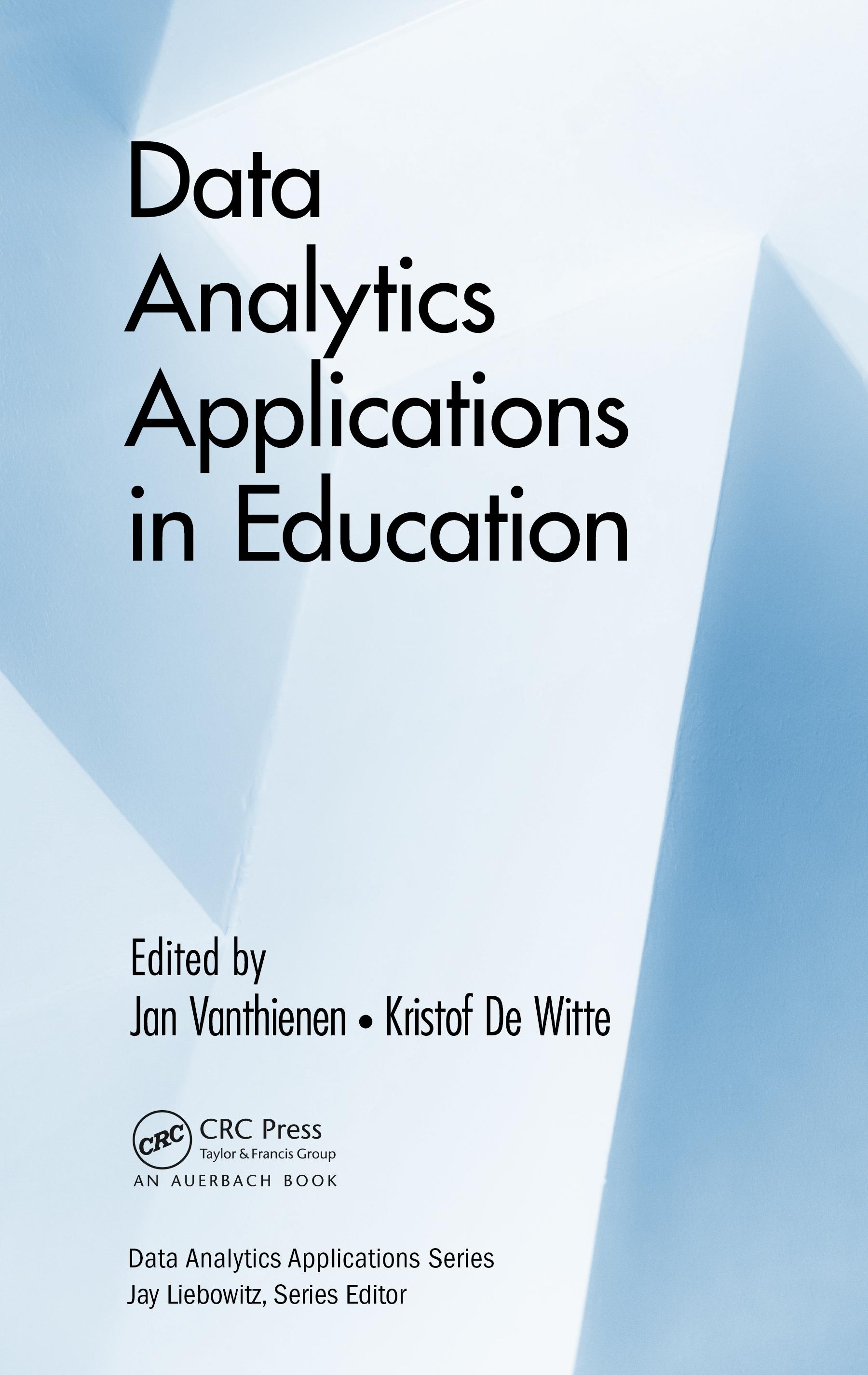
The abundance of data and the rise of new quantitative and statistical techniques have created a promising area: data analytics. This combination of a culture of data-driven decision making and techniques to include domain knowledge allows organizations to exploit big data analytics in their evaluation and decision processes. Also, in education and learning, big data analytics is being used to enhance the learning process, to evaluate efficiency, to improve feedback, and to enrich the learning experience.
As every step a student takes in the online world can be traced, analyzed, and used, there are plenty of opportunities to improve the learning process of students. First, data analytics techniques can be used to enhance the student’ s learning process by providing real-time feedback, or by enriching the learning experience. Second, data analytics can be used to support the instructor or teacher. Using data analytics, the instructor can better trace, and take targeted actions to improve, the learning process of the student. Third, there are possibilities in using data analytics to measure the performance of instructors. Finally, for policy makers, it is often unclear how schools use their available resources to "produce" outcomes. By combining structured and unstructured data from various sources, data analytics might provide a solution for governments that aim to monitor the performance of schools more closely.
Data analytics in education should not be the domain of a single discipline. Economists should discuss the possibilities, issues, and normative questions with a multidisciplinary team of pedagogists, philosophers, computer scientists, and sociologists. By bringing together various disciplines, a more comprehensive answer can be formulated to the challenges ahead. This book starts this discussion by highlighting some economic perspectives on the use of data analytics in education. The book begins a rich, multidisciplinary discussion that may make data analytics in education seem as natural as a teacher in front of a classroom.
Before Memmo my notes were scattered across PDFs. Now a workspace pulls everything into one place — I see exactly what's still left to study.
Memmo's summaries are gold before exams. I don't have to re-read 800 pages two weeks before — just the important parts.
The AI chat has saved me the night before an exam more than once. I just keep asking until I get it — no waiting on a study group to reply.
The quizzes hit exactly what I need to know. Memmo tracks what I get stuck on — so I only practice what's worth it.
Flashcards with spaced repetition are magic. Memmo knows when I'm about to forget something and brings it back.
The AI podcasts are my favorite. I listen on my way to school and get a recap without sitting at a computer.

Handbok i kvalitativa metoder
281 kr

Hållbar utveckling: en introduktion för ingenjörer och andra problemlösare
334 kr

Brymans Samhällsvetenskapliga metoder
390 kr

Projektledning
491 kr

Den orättvisa hälsan: om socioekonomiska skillnader i hälsa och livslängd
326 kr

Organizational Leadership
429 kr

Vetenskapsteori för nybörjare
196 kr

På väg mot läraryrket
172 kr

Det sociala livet i skolan: Socialpsykologiska perspektiv
253 kr

Betygsättningens didaktik
151 kr

Personality
402 kr

Studying Leadership
404 kr

Managing Innovation
477 kr

Introduktion till samhällsvetenskaplig metod
347 kr

The Psychology of Sex and Gender
698 kr

Evidens och kunskap för socialt arbete
207 kr

Introduction to Leadership
605 kr