
Before Memmo my notes were scattered across PDFs. Now a workspace pulls everything into one place — I see exactly what's still left to study.
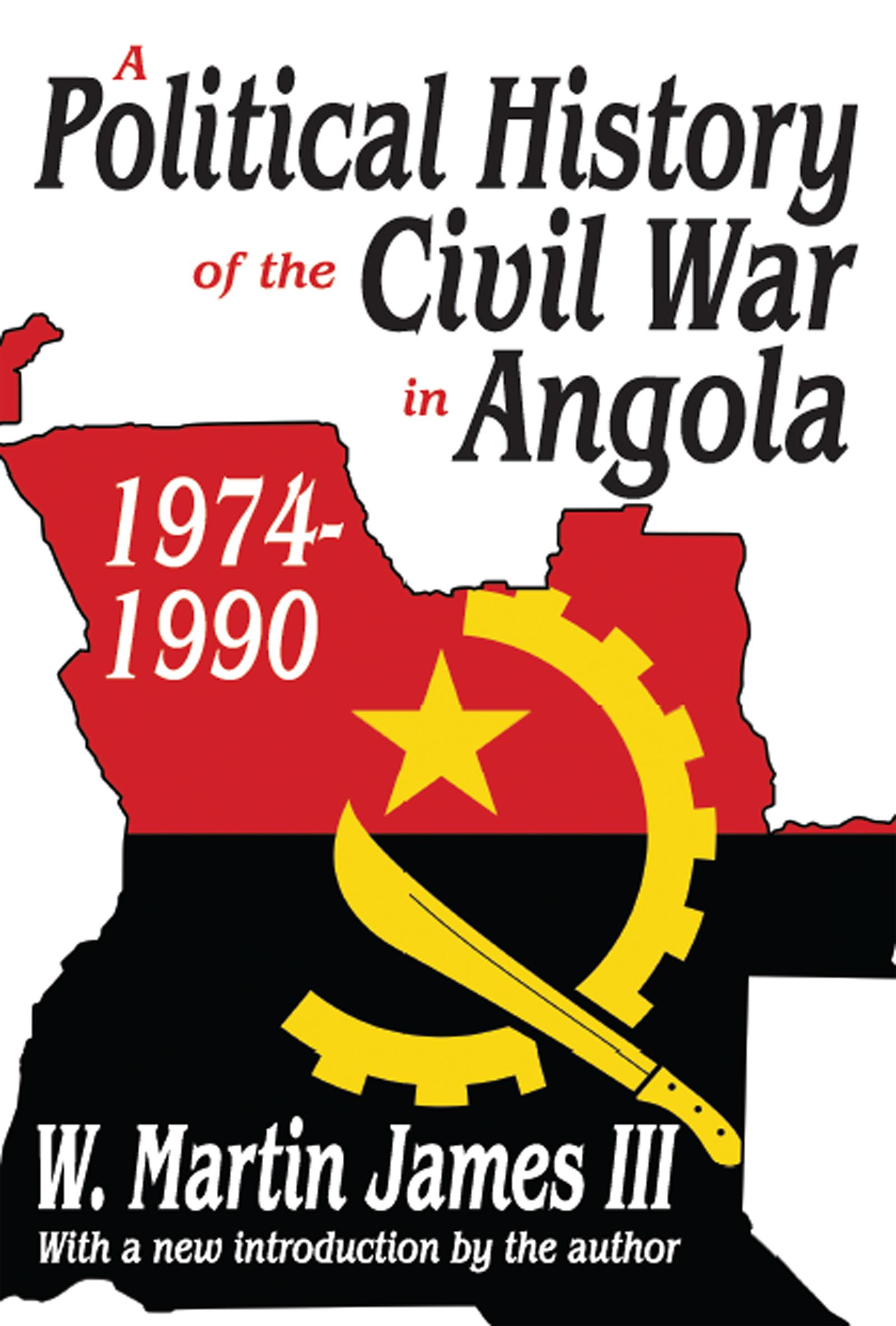
When Portugal's colonial rule in Angola ended in 1974, three liberation groups-UNITA (National Union for the Total Independence of Angola), FNLA (National Front for the Liberation of Angola), and MPLA (Popular Movement for the Liberation of Angola)-agreed to a tripartite movement for the fledgling nation. Conflicts quickly arose and the MPLA, with Cuban and Soviet assistance, drove its rivals from the capital, instigating a civil war, which continues into three periods (1975-1991, 1992-94, and 1998-2002). This volume covers the first period, focusing on the political history of the UNITA movement and its struggles with the MPLA.
The Angolan civil war was the product of personal jealousies, contrasting ideologies, and ethnic animosities. From its inception, the conflict between UNITA and Angola's Marxist government was an international affair involving the U. S., the USSR, China, and many African states: W. Martin James III, who wrote his book near the close of the first period of civil war, contends that despite Gorbachev's "new thinking" and talk of peaceful solutions to regional conflicts, Soviet policy toward Angola marked a reversion to the Brezhnev Doctrine. The biggest MPLA-Cuban offenses occurred during Gorbachev's tenure with Soviet advisers at the brigade level directing an MPLA offensive.
American policy toward Angola is also examined here. This is the first book to emphasize the dynamic role of UNITA in the Angolan liberation movement. James acknowledges that the importance of foreign powers in guaranteeing a government of national reconciliation. Just as important are strategies of compromise requiring trust in a political context where it is violated and submission for the common good where defiance is a remnant of the colonial past. Foreign policy analysts, African area specialists, and scholars of post-colonial history find this volume indispensible.
Before Memmo my notes were scattered across PDFs. Now a workspace pulls everything into one place — I see exactly what's still left to study.
Memmo's summaries are gold before exams. I don't have to re-read 800 pages two weeks before — just the important parts.
The AI chat has saved me the night before an exam more than once. I just keep asking until I get it — no waiting on a study group to reply.
The quizzes hit exactly what I need to know. Memmo tracks what I get stuck on — so I only practice what's worth it.
Flashcards with spaced repetition are magic. Memmo knows when I'm about to forget something and brings it back.
The AI podcasts are my favorite. I listen on my way to school and get a recap without sitting at a computer.

Handbok i kvalitativa metoder
281 kr

Hållbar utveckling: en introduktion för ingenjörer och andra problemlösare
334 kr

Brymans Samhällsvetenskapliga metoder
390 kr

Projektledning
491 kr

Den orättvisa hälsan: om socioekonomiska skillnader i hälsa och livslängd
326 kr

Vetenskapsteori för nybörjare
196 kr

Organizational Leadership
429 kr

På väg mot läraryrket
172 kr

Det sociala livet i skolan: Socialpsykologiska perspektiv
253 kr

Betygsättningens didaktik
151 kr

Personality
402 kr

Studying Leadership
404 kr

Managing Innovation
477 kr

Introduktion till samhällsvetenskaplig metod
347 kr

The Psychology of Sex and Gender
698 kr

Evidens och kunskap för socialt arbete
207 kr

Introduction to Leadership
605 kr