
Before Memmo my notes were scattered across PDFs. Now a workspace pulls everything into one place — I see exactly what's still left to study.
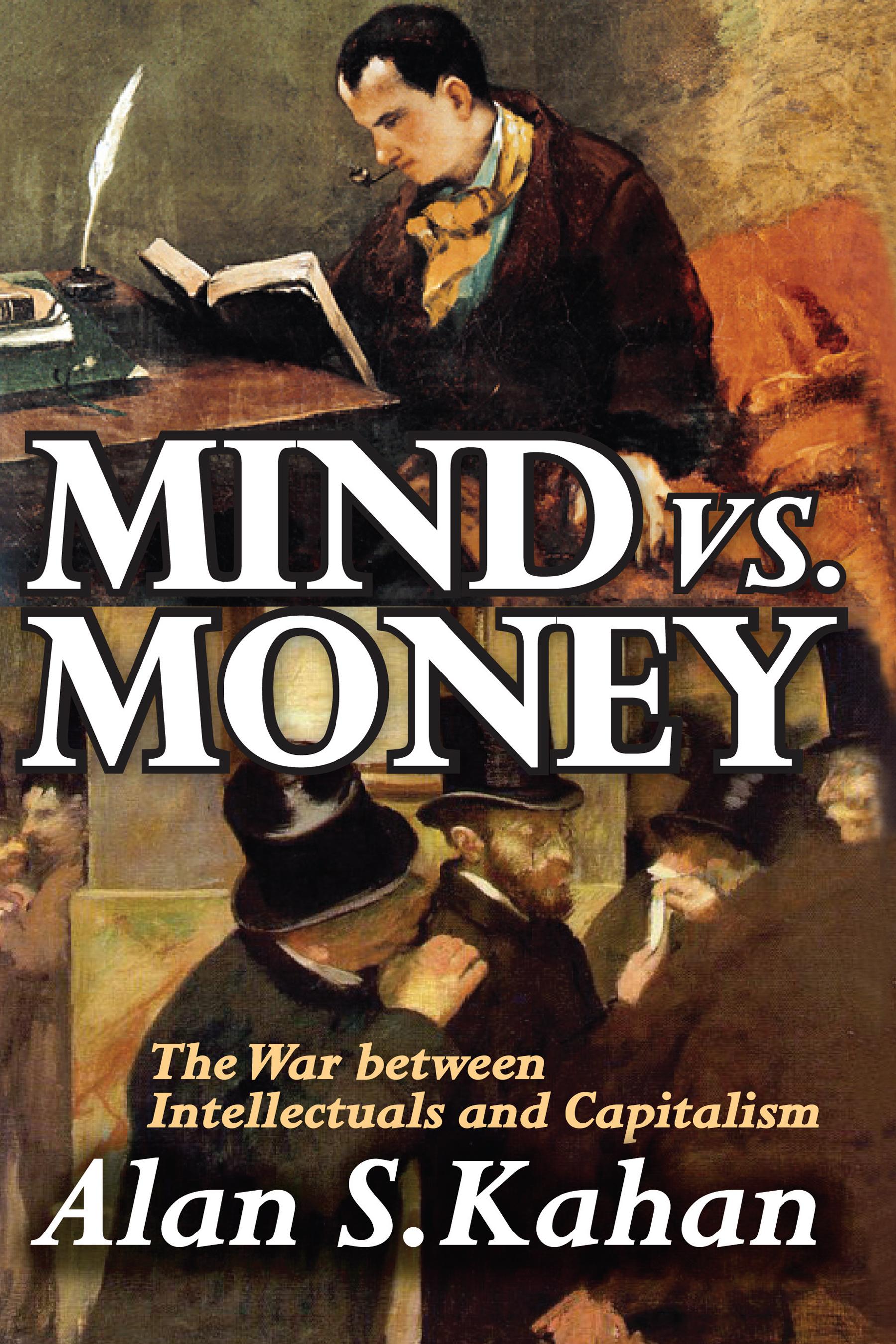
For the past 150 years, Western intellectuals have trumpeted contempt for capitalism and capitalists. They have written novels, plays, and manifestos to demonstrate the evils of the economic system in which they live. Dislike and contempt for the bourgeoisie, the middle classes, industry, and commerce have been a prominent trait of leading Western writers and artists. Mind vs. Money is an analytical history of how and why so many intellectuals have opposed capitalism. It is also an argument for how this opposition can be tempered.
Historically, intellectuals have expressed their rejection of capitalism through many different movements, including nationalism, anti-Semitism, socialism, fascism, communism, and the 1960s counterculture. Hostility to capitalism takes new forms today. The anti-globalization, Green, communitarian, and New Age movements are all examples. Intellectuals give such movements the legitimacy and leadership they would otherwise lack. What unites radical intellectuals of the nineteenth century, communists and fascists of the twentieth, and anti-globalization protestors of the twenty-first, along with many other intellectuals not associated with these movements, is their rejection of capitalism. Kahan argues that intellectuals are a permanently alienated elite in capitalist societies.
In myriad forms, and on many fronts, the battle between Mind and Money continues today. Anti-Americanism is one of them. Americans like to see their country as a beacon of freedom and prosperity. But in the eyes of many European and American intellectuals, when America is identified with capitalism, it is transformed from moral beacon into the "Great Satan." This is just one of the issues Mind vs. Money explores. The conflict between Mind and Money is the great, unresolved conflict of modern society. To end it, we must first understand it.
Before Memmo my notes were scattered across PDFs. Now a workspace pulls everything into one place — I see exactly what's still left to study.
Memmo's summaries are gold before exams. I don't have to re-read 800 pages two weeks before — just the important parts.
The AI chat has saved me the night before an exam more than once. I just keep asking until I get it — no waiting on a study group to reply.
The quizzes hit exactly what I need to know. Memmo tracks what I get stuck on — so I only practice what's worth it.
Flashcards with spaced repetition are magic. Memmo knows when I'm about to forget something and brings it back.
The AI podcasts are my favorite. I listen on my way to school and get a recap without sitting at a computer.

Handbok i kvalitativa metoder
281 kr

Hållbar utveckling: en introduktion för ingenjörer och andra problemlösare
334 kr

Brymans Samhällsvetenskapliga metoder
390 kr

Projektledning
491 kr

Den orättvisa hälsan: om socioekonomiska skillnader i hälsa och livslängd
326 kr

Vetenskapsteori för nybörjare
196 kr

Organizational Leadership
429 kr

På väg mot läraryrket
172 kr

Det sociala livet i skolan: Socialpsykologiska perspektiv
253 kr

Betygsättningens didaktik
151 kr

Personality
402 kr

Studying Leadership
404 kr

Managing Innovation
477 kr

Introduktion till samhällsvetenskaplig metod
347 kr

The Psychology of Sex and Gender
698 kr

Evidens och kunskap för socialt arbete
207 kr

Introduction to Leadership
605 kr