
Before Memmo my notes were scattered across PDFs. Now a workspace pulls everything into one place — I see exactly what's still left to study.
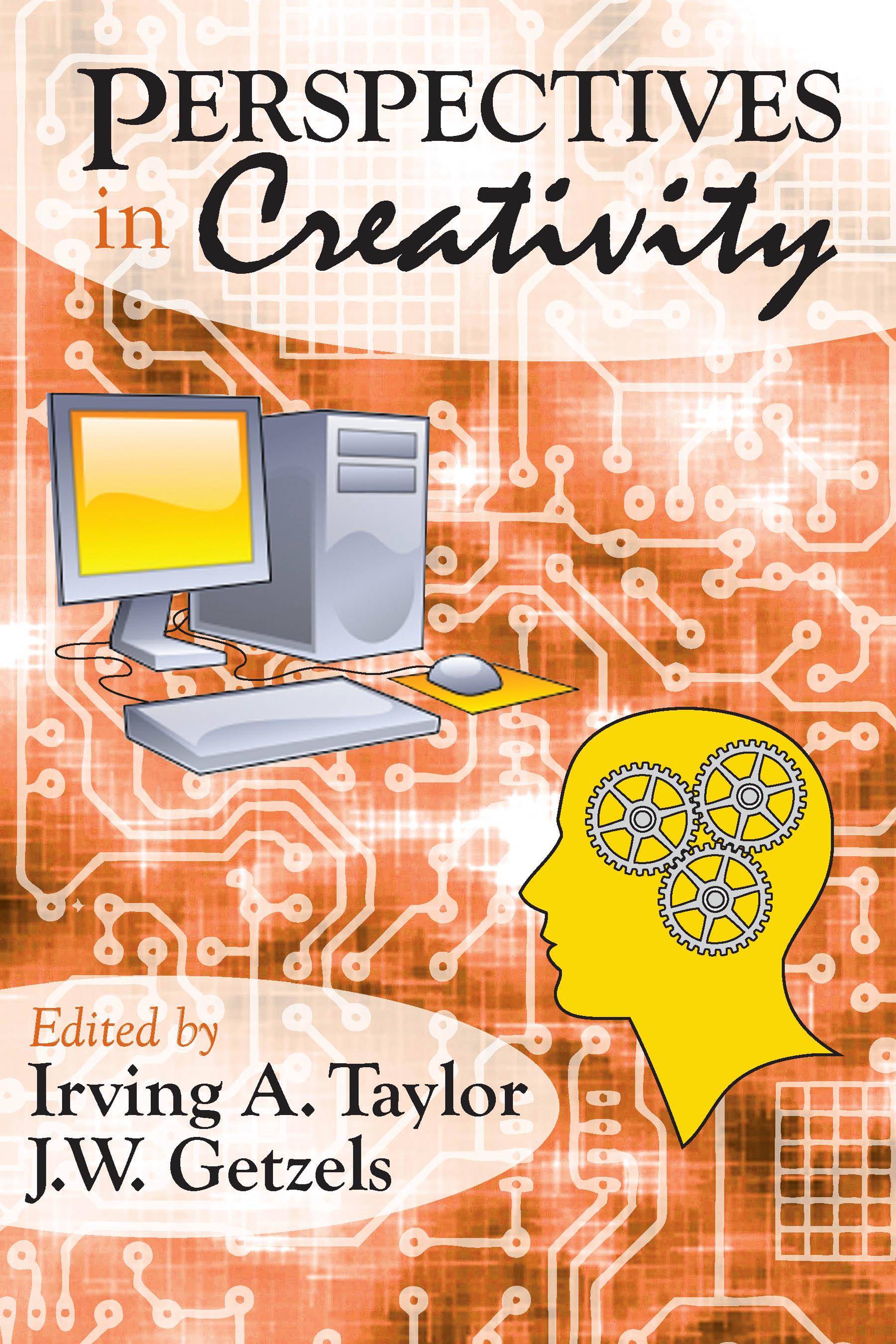
In Perspectives in Creativity experts in the psychology of creativity take stock of the field by examining their own experiences. The contributors relate how they embarked on their work, how their ideas developed, what in their thinking remained the same, what had changed, and how they evaluate their successes and failures.
The introductory chapter provides a historical context for subsequent contributions. J. P. Guilford then describes the development of the field of creativity from the perspective of the Structure of Intellect model. Donald W. MacKinnon describes his work at the Institute of Personality Assessment and Research. J. W. Getzels and Mihalyi Csikszentmihalyi recount in the following chapter how, though starting with a conception of creativity as a problem-solving process, they were driven through their work with artists to a conception of creativity as also a problem-finding process. In the fifth chapter, Frank M. Andrews describes his investigations of the social and psychological factors in scientific laboratories.
Frank Barron examines the problem of creativity and alienation. Anne Roe analyzes the sources and development of paintings as reported by twenty artists. In the following chapter, Salvatore Maddi examines the widely held belief that social integration and a permissive environment are conducive to creative endeavor. In chapter 9, Calvin Taylor and Richard Ellison describe the development of the Utah program of assessment and intervention with regard to the creativity of children in the classroom. Next, Sidney Parnes discusses his work on "brainstorming" and its emphasis on a balance between imagination and judgment, freedom, and discipline. George Prince tells of the development of "synectics" since its early formulation and recounts its application to creative production in industry. E. Paul Torrance then examines recent creativity in the schools and describes his own efforts in devising diagnostic tests and educati
Before Memmo my notes were scattered across PDFs. Now a workspace pulls everything into one place — I see exactly what's still left to study.
Memmo's summaries are gold before exams. I don't have to re-read 800 pages two weeks before — just the important parts.
The AI chat has saved me the night before an exam more than once. I just keep asking until I get it — no waiting on a study group to reply.
The quizzes hit exactly what I need to know. Memmo tracks what I get stuck on — so I only practice what's worth it.
Flashcards with spaced repetition are magic. Memmo knows when I'm about to forget something and brings it back.
The AI podcasts are my favorite. I listen on my way to school and get a recap without sitting at a computer.

Handbok i kvalitativa metoder
281 kr

Hållbar utveckling: en introduktion för ingenjörer och andra problemlösare
334 kr

Brymans Samhällsvetenskapliga metoder
390 kr

Projektledning
491 kr

Den orättvisa hälsan: om socioekonomiska skillnader i hälsa och livslängd
326 kr

Organizational Leadership
429 kr

Vetenskapsteori för nybörjare
196 kr

På väg mot läraryrket
172 kr

Det sociala livet i skolan: Socialpsykologiska perspektiv
253 kr

Betygsättningens didaktik
151 kr

Personality
402 kr

Studying Leadership
404 kr

Managing Innovation
477 kr

Introduktion till samhällsvetenskaplig metod
347 kr

The Psychology of Sex and Gender
698 kr

Evidens och kunskap för socialt arbete
207 kr

Introduction to Leadership
605 kr