
Before Memmo my notes were scattered across PDFs. Now a workspace pulls everything into one place — I see exactly what's still left to study.
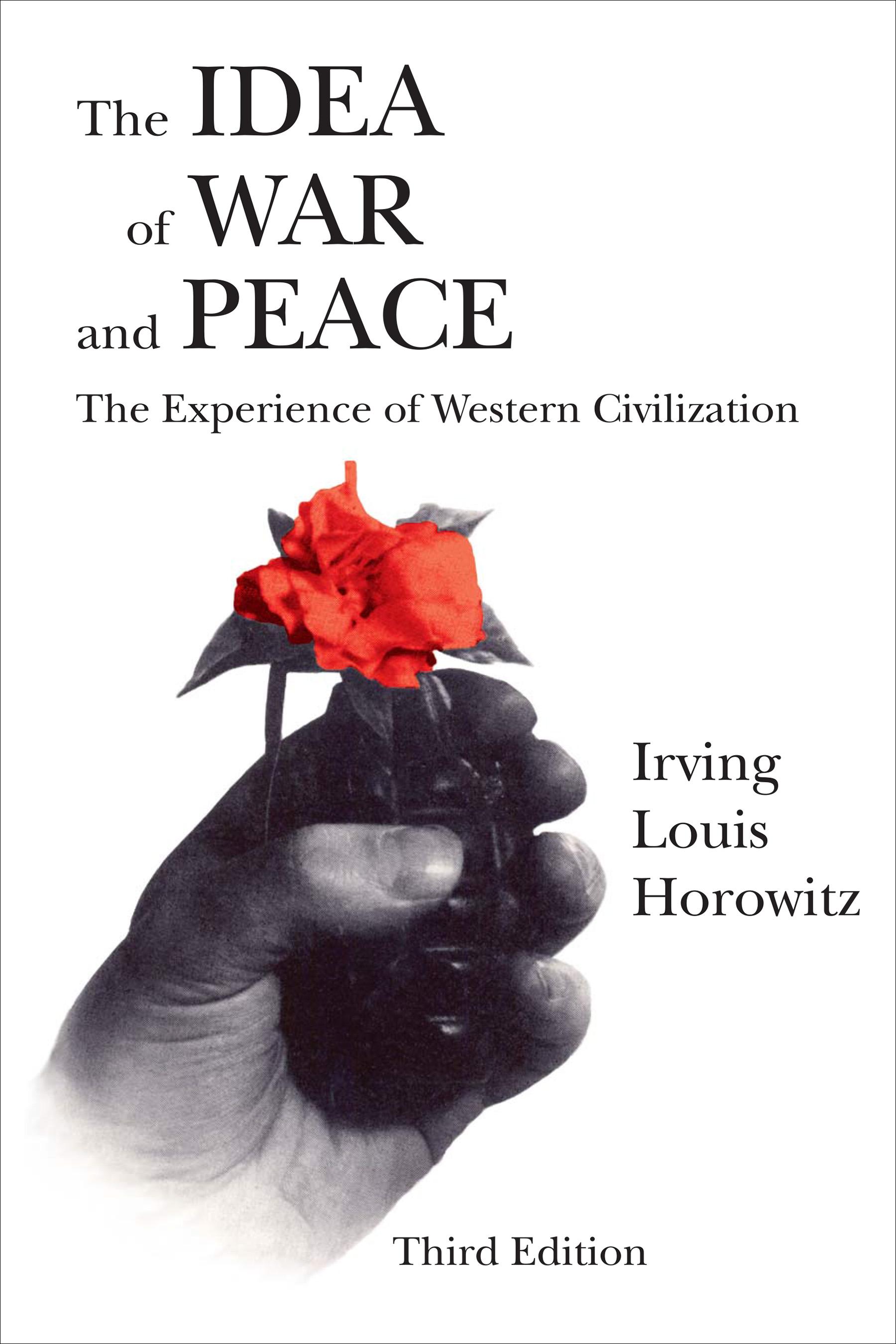
Modern theorists and their ideas on war and peace are here presented, interpreted, and evaluated with scholarship and clarity of expression. In examining the main currents in modern social theory, the author has gone directly to the works of the leading philosophic figures. This book is a carefully documented analysis based on primary sources. Its republication in an expanded version after more than a half century since its initial appearance is a welcome addition to the literature on conflict and conflict resolution.
In this 2007 greatly expanded third edition of The Idea of War and Peace, Irving Louis Horowitz provides a sense of substance to the character of Western Civilization. The book permits the reader to better understand what the "clash of civilizations" is about. It provides a broad outline of both European and American twentieth century social philosophies as they relate to the issue of war and peace. It also offers a new concluding section that explores in depth this same theme in the first decade of the twenty-first century.
Such major figures as Bertrand Russell, John Dewey, Jacques Maritain, Albert Einstein, and Vladimir Lenin, reviewed in earlier editions, are now joined by examinations of the work of Raymond Aron, Harold D. Lasswell, and other contemporaries. The Idea of War and Peace is not just one more manual of how to conduct or avoid conflict, and even less, a guideline to policy-making. Instead, the work offers a profound sense of the theories and values that underline manuals and guides.
This third edition is graced by a consideration of major figures in the second half of the twentieth century and a retrospective on the work of Niccolo Machiavelli on the nature of warfare. It also includes chapters on the relationship of war, peace, and the democratic order--and a postscript on new forms of state power and terrorism. This new edition links past and present and serves as an analytical bridge between cen
Before Memmo my notes were scattered across PDFs. Now a workspace pulls everything into one place — I see exactly what's still left to study.
Memmo's summaries are gold before exams. I don't have to re-read 800 pages two weeks before — just the important parts.
The AI chat has saved me the night before an exam more than once. I just keep asking until I get it — no waiting on a study group to reply.
The quizzes hit exactly what I need to know. Memmo tracks what I get stuck on — so I only practice what's worth it.
Flashcards with spaced repetition are magic. Memmo knows when I'm about to forget something and brings it back.
The AI podcasts are my favorite. I listen on my way to school and get a recap without sitting at a computer.

Handbok i kvalitativa metoder
281 kr

Hållbar utveckling: en introduktion för ingenjörer och andra problemlösare
334 kr

Brymans Samhällsvetenskapliga metoder
390 kr

Projektledning
491 kr

Den orättvisa hälsan: om socioekonomiska skillnader i hälsa och livslängd
326 kr

Vetenskapsteori för nybörjare
196 kr

Organizational Leadership
429 kr

På väg mot läraryrket
172 kr

Det sociala livet i skolan: Socialpsykologiska perspektiv
253 kr

Betygsättningens didaktik
151 kr

Personality
402 kr

Studying Leadership
404 kr

Managing Innovation
477 kr

Introduktion till samhällsvetenskaplig metod
347 kr

The Psychology of Sex and Gender
698 kr

Evidens och kunskap för socialt arbete
207 kr

Introduction to Leadership
605 kr