
Before Memmo my notes were scattered across PDFs. Now a workspace pulls everything into one place — I see exactly what's still left to study.
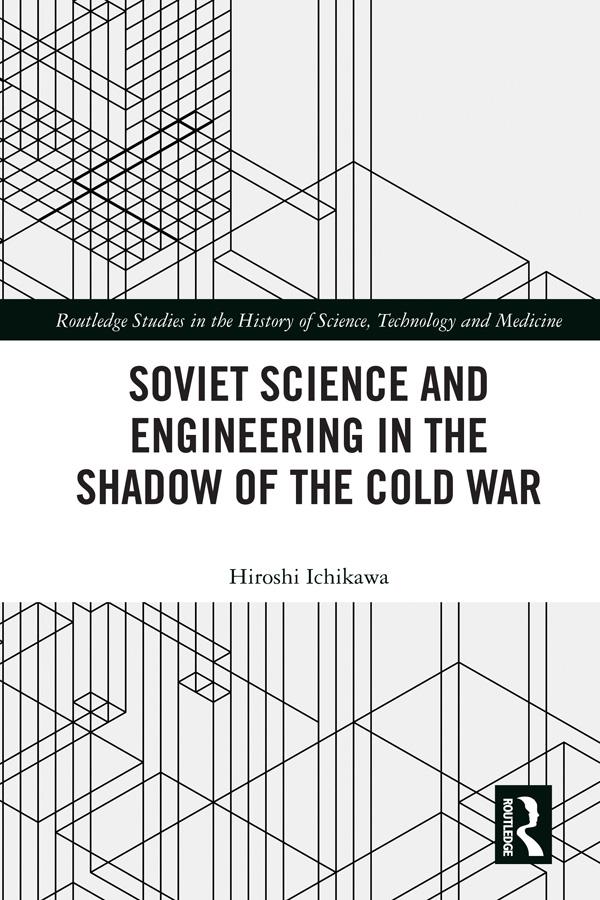
The 1950s were a vital time in the history of science. In accordance with the intensification of the Cold War, many scientific talents were mobilized to several military-related research and development projects not only in the United States, but also in the Soviet Union. Contrary to the expectation of General Leslie Groves, a leader of the Manhattan Project, the Soviet Union succeeded in their nuclear weapon development in a very short time. And then, by the end of the decade, mankind reached the dawn of the Atomic Age proper with the beginning of the operation of the world’s first civil nuclear power plant in Obninsk in 1954. The risky and costly developments of new weapons such as rockets, jet warplanes, and computers were achieved by the Soviet Union in a very short time after World War Ⅱ in spite of the heavy economic damage caused by the battles with German troops in Soviet territory.
Why were such a great number of scientific talents mobilized to various Soviet Cold War research and development projects? What were the true natures, and real consequences of the rushed Cold War projects? How did Soviet scientists approach the nuclear age? Thanks to the study of formerly classified Soviet archives, a more nuanced view of Soviet society has become possible. To resolve the above-mentioned questions, Ichikawa analyses the complicated interactions among various factors, including the indigenous contradictions in the historical development of science in the Soviet Union; conflicts among the related interest groups; relationships with the political leadership and the military, the role of ideology and others.
Before Memmo my notes were scattered across PDFs. Now a workspace pulls everything into one place — I see exactly what's still left to study.
Memmo's summaries are gold before exams. I don't have to re-read 800 pages two weeks before — just the important parts.
The AI chat has saved me the night before an exam more than once. I just keep asking until I get it — no waiting on a study group to reply.
The quizzes hit exactly what I need to know. Memmo tracks what I get stuck on — so I only practice what's worth it.
Flashcards with spaced repetition are magic. Memmo knows when I'm about to forget something and brings it back.
The AI podcasts are my favorite. I listen on my way to school and get a recap without sitting at a computer.

Handbok i kvalitativa metoder
281 kr

Hållbar utveckling: en introduktion för ingenjörer och andra problemlösare
334 kr

Brymans Samhällsvetenskapliga metoder
390 kr

Projektledning
491 kr

Den orättvisa hälsan: om socioekonomiska skillnader i hälsa och livslängd
326 kr

Vetenskapsteori för nybörjare
196 kr

Organizational Leadership
429 kr

På väg mot läraryrket
172 kr

Det sociala livet i skolan: Socialpsykologiska perspektiv
253 kr

Betygsättningens didaktik
151 kr

Personality
402 kr

Studying Leadership
404 kr

Managing Innovation
477 kr

Introduktion till samhällsvetenskaplig metod
347 kr

The Psychology of Sex and Gender
698 kr

Evidens och kunskap för socialt arbete
207 kr

Introduction to Leadership
605 kr