
Before Memmo my notes were scattered across PDFs. Now a workspace pulls everything into one place — I see exactly what's still left to study.
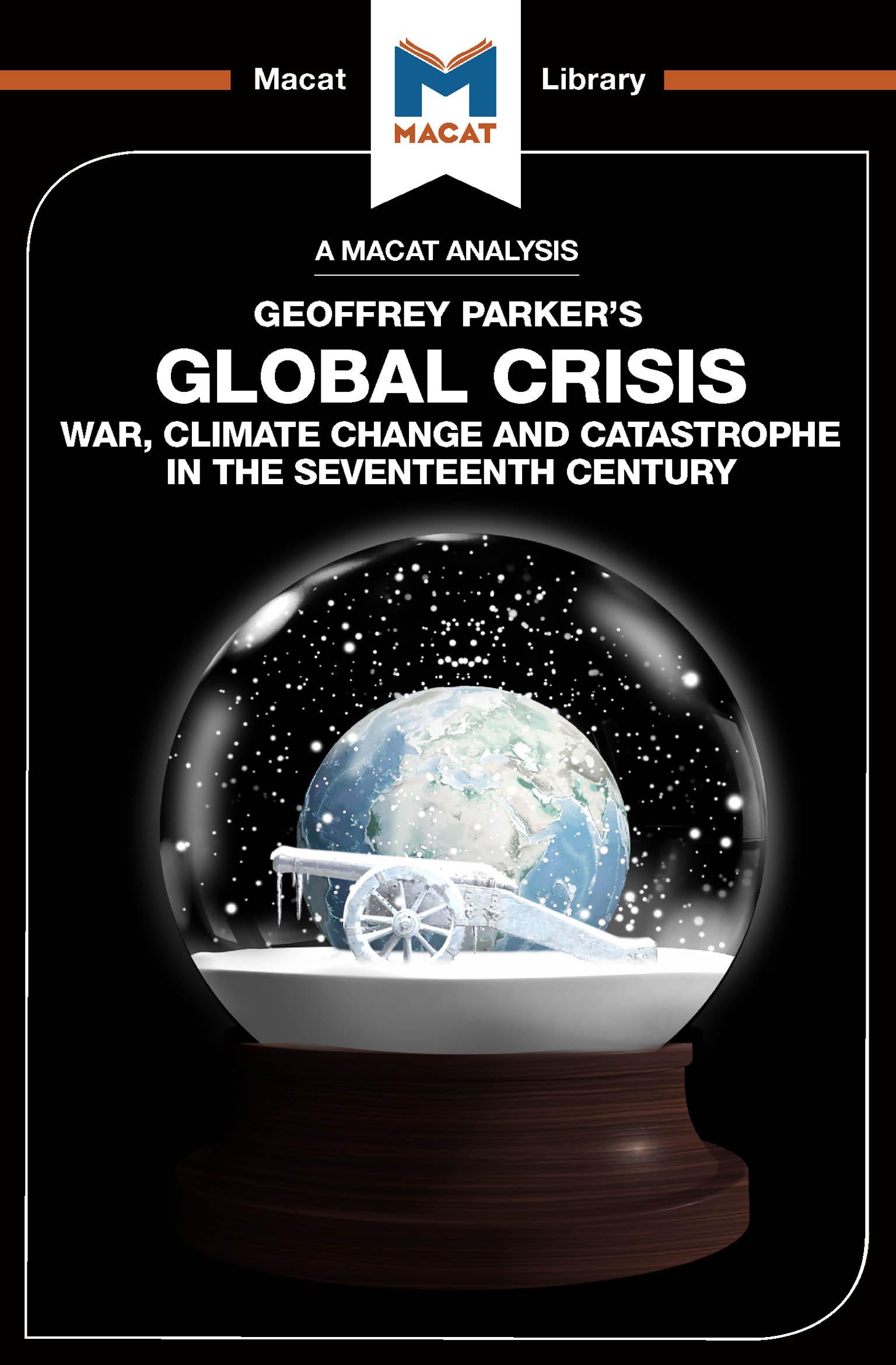
Few historians can claim to have undertaken historical analysis on as grand a scale as Geoffrey Parker in his 2013 work Global Crisis: War, Climate Change and Catastrophe in the Seventeenth Century. It is a doorstop of a book that surveys the ‘general crisis of the 17th century,’ shows that it was experienced practically throughout the world, and was not merely a European phenomenon, and links it to the impact of climate change in the form of the advent of a cold period known as the ‘Little Ice Age.’
Parker’s triumph is made possible by the deployment of formidable critical thinking skills – reasoning, to construct an engaging overall argument from very disparate material, and analysis, to re-examine and understand the plethora of complex secondary sources on which his book is built. In critical thinking, analysis is all about understanding the features and structures of argument: how given reasons lead to conclusions, and what kinds of implicit reasons and assumptions are being used. Historical analysis applies the same skills to the fabric of history, asking how given chains of events occur, how different reasons and factors interact, and so on.
Parker, though, takes things further than most in his quest to understand the meaning of a century’s-worth of turbulence spread across the whole globe. Beginning by breaking down the evidence for significant climatic cooling in the 17th-century (due to decreased solar activity), he moves on to detailed study of the effects the cooling had on societies and regimes across the world. From this detailed spadework, he constructs a persuasive argument that accounts for the different ways in which the effects of climate change played out across the century – an argument with profound implications for a future likely to see serious climate change of its own.
Before Memmo my notes were scattered across PDFs. Now a workspace pulls everything into one place — I see exactly what's still left to study.
Memmo's summaries are gold before exams. I don't have to re-read 800 pages two weeks before — just the important parts.
The AI chat has saved me the night before an exam more than once. I just keep asking until I get it — no waiting on a study group to reply.
The quizzes hit exactly what I need to know. Memmo tracks what I get stuck on — so I only practice what's worth it.
Flashcards with spaced repetition are magic. Memmo knows when I'm about to forget something and brings it back.
The AI podcasts are my favorite. I listen on my way to school and get a recap without sitting at a computer.

Handbok i kvalitativa metoder
281 kr

Hållbar utveckling: en introduktion för ingenjörer och andra problemlösare
334 kr

Brymans Samhällsvetenskapliga metoder
390 kr

Projektledning
491 kr

Den orättvisa hälsan: om socioekonomiska skillnader i hälsa och livslängd
326 kr

Vetenskapsteori för nybörjare
196 kr

Organizational Leadership
429 kr

På väg mot läraryrket
172 kr

Det sociala livet i skolan: Socialpsykologiska perspektiv
253 kr

Betygsättningens didaktik
151 kr

Personality
402 kr

Studying Leadership
404 kr

Managing Innovation
477 kr

Introduktion till samhällsvetenskaplig metod
347 kr

The Psychology of Sex and Gender
698 kr

Evidens och kunskap för socialt arbete
207 kr

Introduction to Leadership
605 kr