
Before Memmo my notes were scattered across PDFs. Now a workspace pulls everything into one place — I see exactly what's still left to study.
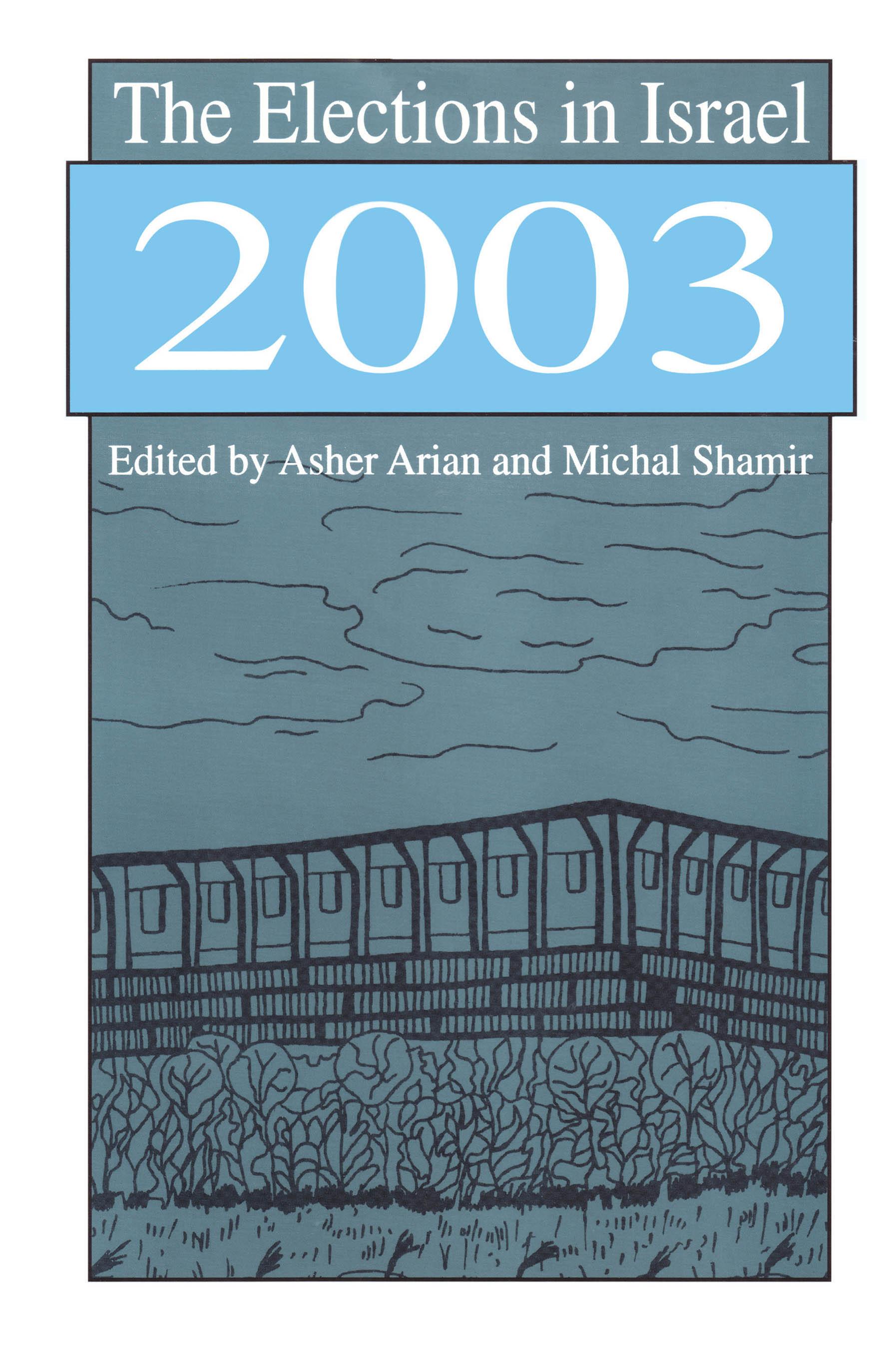
The Elections in Israel--2003 brings together leading Israeli and North American social scientists and their state-of-the-art, in-depth analysis of the 2003 Israeli national elections. These elections returned Ariel Sharon and the Likud to power amid one of the bloodiest rounds of conflict between Israel and the Palestinians and a severe economic downturn in Israel. Contributors analyze the electoral behavior of the voters as a whole and various subgroups, highlighting social cleavages and identity, as well as issues and other strategic considerations. Three chapters analyze in detail the Arab, the national-religious, and the "Russian" vote. The 2003 elections saw Israel's return to the family of parliamentary nations after it experimented with the direct election of the prime minister from 1996 through 2001. The impact of the adoption and repeal of this unique Israeli system of government is another major topic covered in this volume, and several contributions explore the impact of these changes upon the electorate, the party system, and party financing. Other unusual features of the 2003 elections were the low turnout levels among Jewish and Arab voters; political moves to disqualify Arab candidates and lists from running for office, which were overruled by the Supreme Court of Israel; the collapse of the left, the spectacular showing of the centrist Shinui party, and the dominant status of the Likud in the Knesset and in Israeli politics. Through its focus on the 2003 elections, this volume also illuminates developments and changes in Israeli society and politics. Many of these developments--multiculturalism, changes in social stratification, the growing role of the judiciary and of the media, and political reforms--characterize other Western democracies as well, and these are discussed from a comparative perspective. The Elections in Israel--2003 will be of particular interest to those concerned with politics in Israel as well as those concerned with comparative politics and elections in general.
Before Memmo my notes were scattered across PDFs. Now a workspace pulls everything into one place — I see exactly what's still left to study.
Memmo's summaries are gold before exams. I don't have to re-read 800 pages two weeks before — just the important parts.
The AI chat has saved me the night before an exam more than once. I just keep asking until I get it — no waiting on a study group to reply.
The quizzes hit exactly what I need to know. Memmo tracks what I get stuck on — so I only practice what's worth it.
Flashcards with spaced repetition are magic. Memmo knows when I'm about to forget something and brings it back.
The AI podcasts are my favorite. I listen on my way to school and get a recap without sitting at a computer.

Handbok i kvalitativa metoder
281 kr

Hållbar utveckling: en introduktion för ingenjörer och andra problemlösare
334 kr

Brymans Samhällsvetenskapliga metoder
390 kr

Projektledning
491 kr

Den orättvisa hälsan: om socioekonomiska skillnader i hälsa och livslängd
326 kr

Organizational Leadership
429 kr

Vetenskapsteori för nybörjare
196 kr

På väg mot läraryrket
172 kr

Det sociala livet i skolan: Socialpsykologiska perspektiv
253 kr

Betygsättningens didaktik
151 kr

Personality
402 kr

Studying Leadership
404 kr

Managing Innovation
477 kr

Introduktion till samhällsvetenskaplig metod
347 kr

The Psychology of Sex and Gender
698 kr

Evidens och kunskap för socialt arbete
207 kr

Introduction to Leadership
605 kr