
Before Memmo my notes were scattered across PDFs. Now a workspace pulls everything into one place — I see exactly what's still left to study.
An encounter with the death of another is often an occasion when the bereaved need to be sustained in their loss, relieved of the anxiety that the meeting with death engenders, and comforted in their grief. It is a time when those left behind often seek to redress wrongs in themselves or in the relationships that death has shaken and upset. In both collective and individual responses to the trauma of encountering death, we witness efforts to counter the misfortune and to explain the meaning of the loss, to turn memory into blessing, to reconcile life with death, to regenerate life, and redeem both the bereaved and the dead.
Sometimes loss may transform the bereaved in ways that lead to growth and maturity; other times a loss leads to unremitting anger or melancholia. There may be a variety of spiritual expressions that the bereaved experience in their time of loss, but there appears to be some common elements in all of them. Overtime, survivors' feelings are transformed into growing exploration of the spiritual, a profound sense of rebirth, newfound feelings of self-mastery or confidence, and a deeply held conviction that "life goes on."
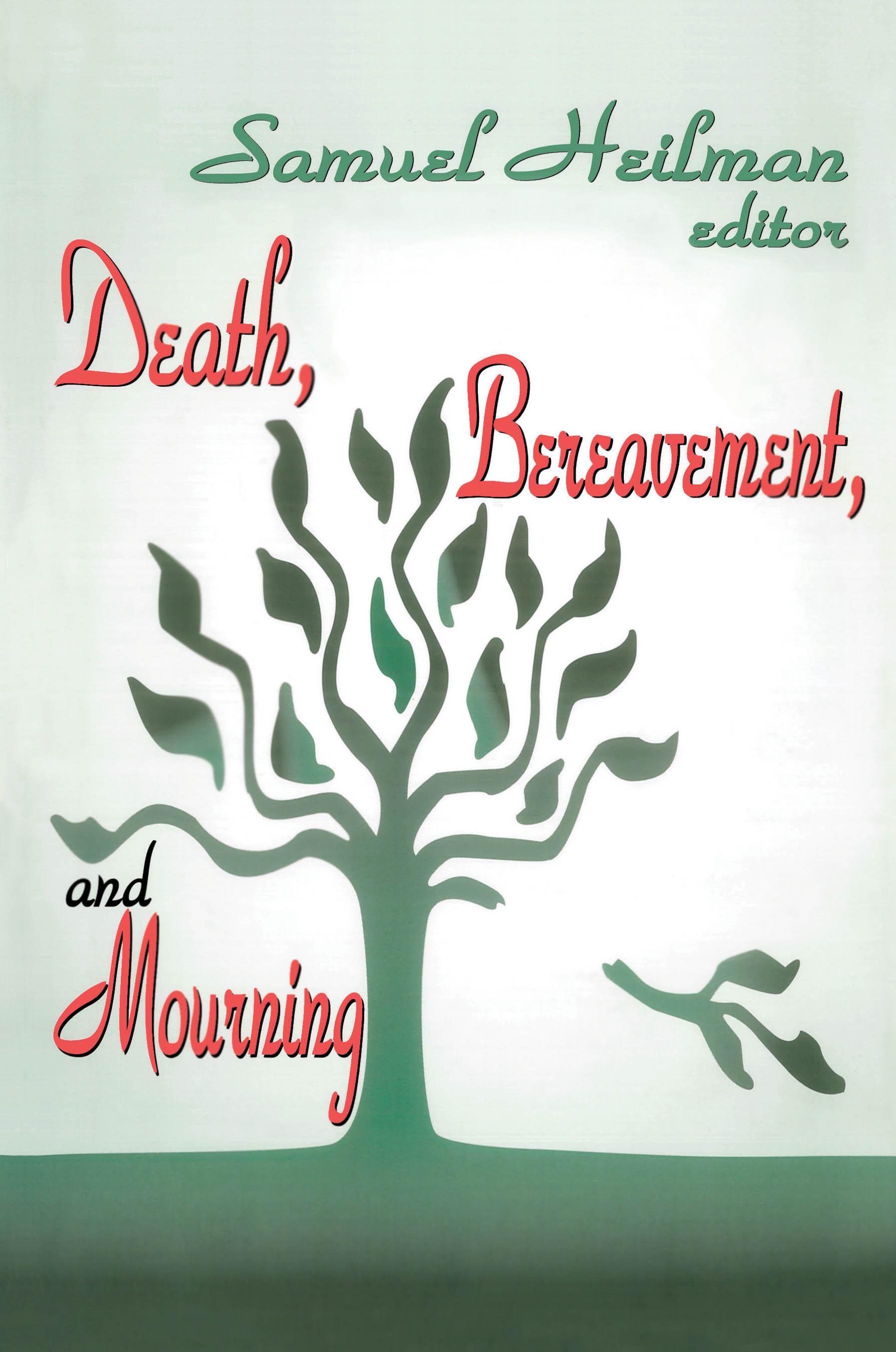
The contributions to this volume are based on a conference held in New York on the first anniversary of September 11, 2001. Contributors include Peter Metcalf, Robert Jay Lifton, Ilana Harlow, Robert A. Neimeyer, Samuel Heilman, and Neil Gillman. This sensitive and heartfelt volume relates specifically to issues of death, bereavement, and mourning in the aftermath of the attack on the World Trade Center, but the applications to other individual and catastrophic events is obvious. The contributions do not simply explore how people deal with bereavement or are psychologically affected by extreme grief: they address how people can try to find meaning in tragedy and loss, and strive to help restore order in the wake of chaos. The multidisciplinary perspectives include those of anthropology, psychology, theology, social work, and art.
Before Memmo my notes were scattered across PDFs. Now a workspace pulls everything into one place — I see exactly what's still left to study.
Memmo's summaries are gold before exams. I don't have to re-read 800 pages two weeks before — just the important parts.
The AI chat has saved me the night before an exam more than once. I just keep asking until I get it — no waiting on a study group to reply.
The quizzes hit exactly what I need to know. Memmo tracks what I get stuck on — so I only practice what's worth it.
Flashcards with spaced repetition are magic. Memmo knows when I'm about to forget something and brings it back.
The AI podcasts are my favorite. I listen on my way to school and get a recap without sitting at a computer.

Handbok i kvalitativa metoder
281 kr

Hållbar utveckling: en introduktion för ingenjörer och andra problemlösare
334 kr

Brymans Samhällsvetenskapliga metoder
390 kr

Projektledning
491 kr

Den orättvisa hälsan: om socioekonomiska skillnader i hälsa och livslängd
326 kr

Vetenskapsteori för nybörjare
196 kr

Organizational Leadership
429 kr

På väg mot läraryrket
172 kr

Det sociala livet i skolan: Socialpsykologiska perspektiv
253 kr

Betygsättningens didaktik
151 kr

Personality
402 kr

Studying Leadership
404 kr

Managing Innovation
477 kr

Introduktion till samhällsvetenskaplig metod
347 kr

The Psychology of Sex and Gender
698 kr

Evidens och kunskap för socialt arbete
207 kr

Introduction to Leadership
605 kr