
Before Memmo my notes were scattered across PDFs. Now a workspace pulls everything into one place — I see exactly what's still left to study.
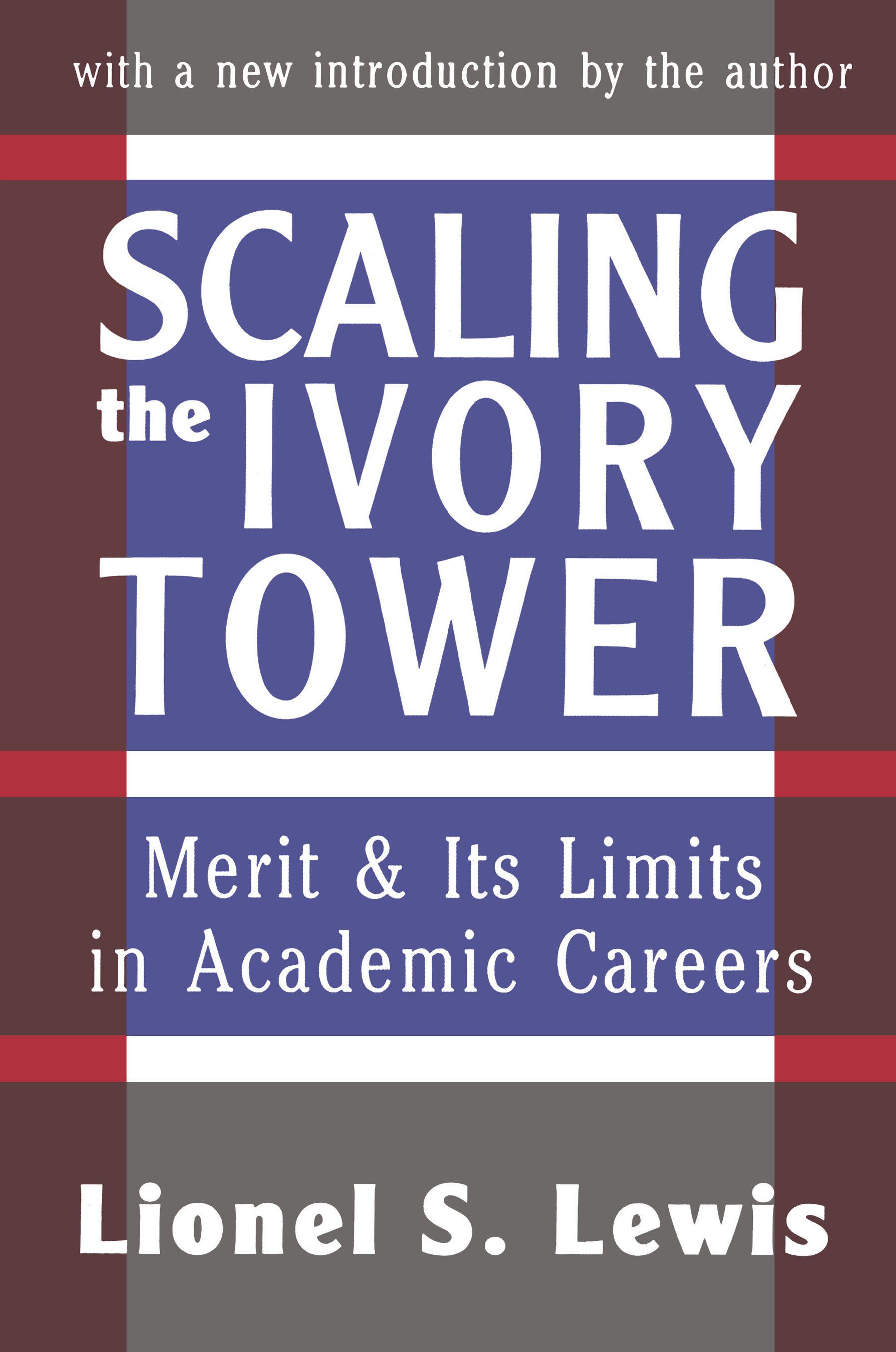
Following in the tradition of Thorstein Veblen's Higher Learning in America, Lionel S. Lewis has amassed solid evidence to support his conclusions about what leads to success in Scaling the Ivory Tower. As background to his consideration of academic freedom, sexism, merit, tenure, and other such highly charged subjects, Lewis examines the attitudes of those in universities toward academic qualification. The modern rule of thumb has become publish or perish. According to Lewis, however, research and publication may not be such prime considerations after all.
Two thought-provoking chapters are devoted to an examination of letters of recommendation as important factors in hiring and promoting in the academic world. Lewis also scrutinizes academic freedom cases from the archives of the American Association of University Professors. Other intriguing issues examined by Lewis are: how spouses and significant others factor into whether or not a professor gets a promotion; a typical day in the life, both academic and personal, of a professor; how the celebrity syndrome has spread to campus; discrimination against women; and bureaucracy as a contributing factor to campus unrest.
In the new introduction, Lewis affirms that the most apparent changes in higher education since Scaling the Ivory Tower was initially published have actually made the campus less meritocratic, and less a place where quality academic work is recognized and rewarded. One contributing factor is the necessity to consider age, gender, ethnicity, and race in personnel decisions. Because many on campus are convinced that academic life can only be improved when the demographics of faculty reflect those in the larger society, departments are routinely expected to explain why they did not fill an opening with someone from an underrepresented group. While showing some irreverence toward academia, Scaling the Ivory Tower should also provoke sober consideration of where our colleges and universities are headed. This is a significant volume for university administrators, academics, and graduate students.
Before Memmo my notes were scattered across PDFs. Now a workspace pulls everything into one place — I see exactly what's still left to study.
Memmo's summaries are gold before exams. I don't have to re-read 800 pages two weeks before — just the important parts.
The AI chat has saved me the night before an exam more than once. I just keep asking until I get it — no waiting on a study group to reply.
The quizzes hit exactly what I need to know. Memmo tracks what I get stuck on — so I only practice what's worth it.
Flashcards with spaced repetition are magic. Memmo knows when I'm about to forget something and brings it back.
The AI podcasts are my favorite. I listen on my way to school and get a recap without sitting at a computer.

Handbok i kvalitativa metoder
281 kr

Hållbar utveckling: en introduktion för ingenjörer och andra problemlösare
334 kr

Brymans Samhällsvetenskapliga metoder
390 kr

Projektledning
491 kr

Den orättvisa hälsan: om socioekonomiska skillnader i hälsa och livslängd
326 kr

Vetenskapsteori för nybörjare
196 kr

Organizational Leadership
429 kr

På väg mot läraryrket
172 kr

Det sociala livet i skolan: Socialpsykologiska perspektiv
253 kr

Betygsättningens didaktik
151 kr

Personality
402 kr

Studying Leadership
404 kr

Managing Innovation
477 kr

Introduktion till samhällsvetenskaplig metod
347 kr

The Psychology of Sex and Gender
698 kr

Evidens och kunskap för socialt arbete
207 kr

Introduction to Leadership
605 kr