
Before Memmo my notes were scattered across PDFs. Now a workspace pulls everything into one place — I see exactly what's still left to study.
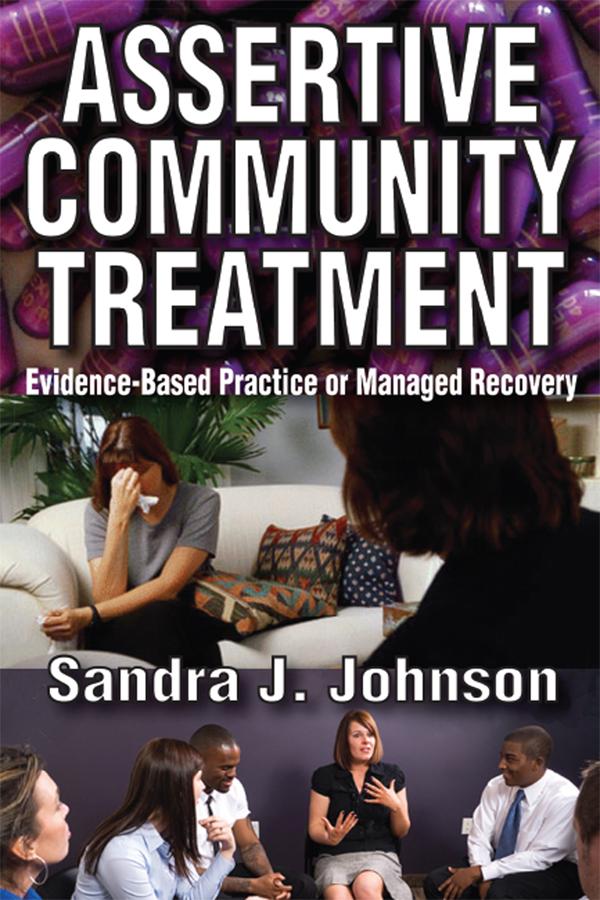
The twenty-first century has witnessed an explosion in studies on comparative health studies, but mental health remains virtually ignored. Unlike the well researched topic of health policy, there is a gap in the marketplace covering mental health policy and health care policymaking. This book fills that gap; it is a comparative analysis of the implementation of Assertive Community Treatment (ACT), an evidence-based practice employed in two states that promises to empower the well-being of individuals suffering from mental illness.
Assertive Community Treatment specifically examines the tension separating the notion of client recovery and evidence-based programs. Johnson challenges the assumption that practitioners should rely on evidence-based practices to close the gap between scientific knowledge and practice. She argues that in an era of managed care, this encourages state mental health administrators to adopt policies that are overly focused on outcomes. Programs that can measure the outcomes of care provided, and evidence-based practices, have become central aspects of the quality care agenda.
This study traces the role of policy entrepreneurs throughout the Assertive Community Treatment policymaking process. By differentiating mental health in general, qualitative research increases the chances of observing similarities and differences in outcomes. Johnson explains why the ACT model was adopted and implemented. She concludes that there is a clear monopoly by medical researchers and scientists within Assertive Community Treatment research, and as a result, too much emphasis is placed on the roles of policy entrepreneurs as the main innovators in the agenda and policy formulation stages. Johnson presents a strong argument for more innovation in the implementation stage.
Before Memmo my notes were scattered across PDFs. Now a workspace pulls everything into one place — I see exactly what's still left to study.
Memmo's summaries are gold before exams. I don't have to re-read 800 pages two weeks before — just the important parts.
The AI chat has saved me the night before an exam more than once. I just keep asking until I get it — no waiting on a study group to reply.
The quizzes hit exactly what I need to know. Memmo tracks what I get stuck on — so I only practice what's worth it.
Flashcards with spaced repetition are magic. Memmo knows when I'm about to forget something and brings it back.
The AI podcasts are my favorite. I listen on my way to school and get a recap without sitting at a computer.

Handbok i kvalitativa metoder
281 kr

Hållbar utveckling: en introduktion för ingenjörer och andra problemlösare
334 kr

Brymans Samhällsvetenskapliga metoder
390 kr

Projektledning
491 kr

Den orättvisa hälsan: om socioekonomiska skillnader i hälsa och livslängd
326 kr

Organizational Leadership
429 kr

Vetenskapsteori för nybörjare
196 kr

På väg mot läraryrket
172 kr

Det sociala livet i skolan: Socialpsykologiska perspektiv
253 kr

Betygsättningens didaktik
151 kr

Personality
402 kr

Studying Leadership
404 kr

Managing Innovation
477 kr

Introduktion till samhällsvetenskaplig metod
347 kr

The Psychology of Sex and Gender
698 kr

Evidens och kunskap för socialt arbete
207 kr

Introduction to Leadership
605 kr